

A woman in her forties with disrupted sleep, unpredictable periods and a shorter fuse than she recognises usually asks for one thing: a blood test that explains it. The request is reasonable. A number feels like proof, particularly for a patient who suspects she will be told it is stress.
The difficulty is that for the most common question women bring to a hormone panel, it is the wrong instrument.
What The Guidelines Actually Say
Perimenopause and menopause are diagnosed clinically. The American College of Obstetricians and Gynecologists advises that a provider can usually establish whether a woman is in perimenopause from her age, her symptoms and the changes in her menstrual cycle, without a blood test. Cleveland Clinic reaches the same conclusion, noting that hormone levels fluctuate too much for testing to be reliable.
Menopause itself has a definition that no laboratory can supply: twelve consecutive months without a period. The average age is around 52.
The United Kingdom’s National Institute for Health and Care Excellence goes further, recommending against using estradiol, anti-Mullerian hormone, inhibins or antral follicle count to identify perimenopause in women aged 45 and over.
Why The Fsh Test Keeps Disappointing
Follicle-stimulating hormone is the test most often ordered and most often misread. As ovarian function declines the body produces more of it, so an elevated result appears meaningful.
The problem is variability. Perimenopause is defined by hormonal instability rather than steady decline. Ovarian function oscillates. Some cycles are ovulatory and some are not, and estradiol can swing substantially within a single cycle. Longitudinal studies following the same women over time have found high values alternating with normal ones in the same individual.
A result in the menopausal range on Tuesday may not repeat on Friday. A normal panel does not rule perimenopause out, and an abnormal one does not confirm it. Reviews of the evidence have concluded that these assays carry no more diagnostic power than the symptoms themselves, and most national guidelines advise against ordering them for this purpose in women over 45.
There is a further complication that rarely reaches patients. Different laboratories use different assay standards, which makes it difficult to establish a precise threshold that means the same thing everywhere. A number is not as portable between laboratories as it appears.
What Testing Is Genuinely Good At
None of this makes hormone testing pointless. It makes it a tool for different questions than the one most women arrive with.
Testing is valuable for excluding conditions that produce similar symptoms. Thyroid dysfunction, polycystic ovary syndrome, elevated prolactin and iron deficiency can all present with fatigue, mood changes or cycle disruption. Establishing which of these is or is not present changes what happens next, and missing one of them because the symptoms were attributed to hormones is a more consequential error than ordering the test.
Testing also matters in specific situations. In women under 45, blood tests support the diagnosis of early menopause or primary ovarian insufficiency, where the answer carries consequences for bone and cardiovascular health over decades. Guidelines suggest measuring twice, several weeks apart. Testing has a role after hysterectomy, where cycle history is unavailable.
The distinction is between a test that answers a question and a test ordered because a patient wants a number.
Why The Panel Keeps Getting Longer
Direct-to-consumer hormone testing has expanded rapidly, and the commercial incentive runs toward longer panels. A longer panel produces more results, more results produce more findings outside a reference range, and findings outside a reference range feel like an explanation.
They frequently are not. Reference ranges describe populations, not individuals, and a value at the edge of a range in a symptom-free woman may mean nothing. Interpreting an isolated result without the clinical picture around it produces anxiety more reliably than it produces answers.
The most useful panel is rarely the longest one. It is the one where each test would change a decision: what is treated, what is investigated further, what is ruled out. Tests that would not change anything are not neutral, because they generate findings that then require explaining.
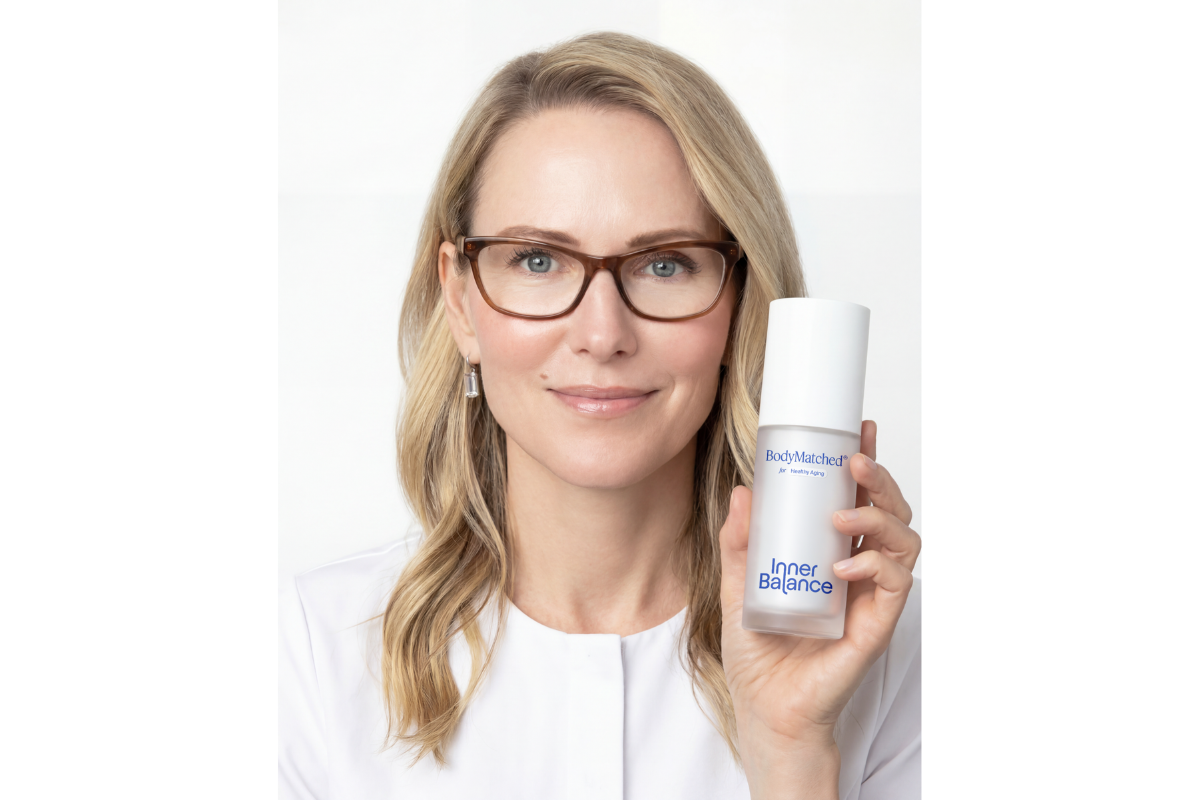
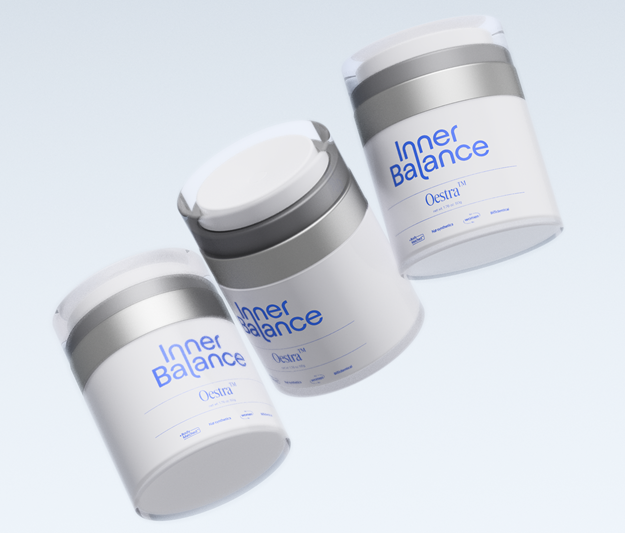
Dr. Sarah Daccarett, a physician specialising in hormone health, founded Inner Balance on the principle that assessment should start with the patient rather than the panel. Its process begins with a detailed health questionnaire reviewed by a licensed clinician, and treatment, including the hormone therapy Oestra, is prescribed only where the clinical picture supports it.
“Women ask for a number because a number feels like being believed,” says Dr. Daccarett. “Testing has real uses, but it cannot confirm perimenopause. What settles it is her history, taken seriously,” she says.
What Works Better Than A Number
Symptom and cycle tracking over months gives a clinician more to work with than a single draw. Patterns across time reveal what a snapshot cannot, and the record belongs to the patient rather than the laboratory.
Detail helps: when symptoms began, how they relate to the cycle, what has changed rather than what is wrong. Clinicians reach for tests partly because vague histories are hard to act on.
The Menopause Society maintains a directory of clinicians credentialed in menopausal medicine, who are trained specifically in symptom-based assessment.
And it is worth stating plainly that the dismissal of perimenopausal symptoms is well documented in the clinical literature. It is not a standard of care any patient is obliged to accept, and seeking a second opinion is reasonable rather than difficult.

Why Women Ask For The Test At All
The demand for a definitive test is a response to not being believed. A woman who expects her account of her own symptoms to be taken seriously does not need a laboratory result to authorise the conversation.
That is the gap worth closing. Until it is, women will keep asking for panels that cannot answer the question. Women who would rather begin with a clinician taking a full history can do so at Inner Balance.
