

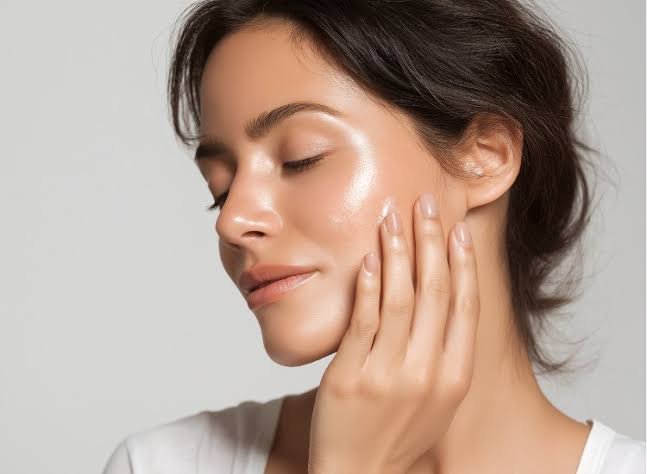
For years, the beauty industry has promoted an idea of “perfect skin.” Smooth, poreless, bright, and completely free from marks, fine lines, redness, or texture, this image became a common beauty standard. Social media filters, heavy makeup, and highly edited photos made flawless skin appear normal and achievable.
But beauty standards are changing.
Today, more people are embracing skin that looks natural. Visible pores, freckles, acne marks, fine lines, and natural texture are increasingly being seen as normal parts of real skin. Instead of trying to hide every imperfection, consumers are looking for healthy-looking skin that still looks like skin.
This shift does not mean people have stopped caring about skincare. Instead, it reflects a new idea of beauty: healthy skin does not have to be perfect skin.
What Does “Skin That Looks Like Skin” Mean?
“Skin that looks like skin” means a more natural and realistic approach to beauty. It focuses on maintaining healthy skin while allowing its natural texture to remain visible.
Rather than covering the face with thick layers of foundation, many consumers are choosing lightweight makeup, tinted moisturizers, skin tints, and sheer products.
The goal is not necessarily to look makeup-free. The goal is to make the skin look fresh, comfortable, and natural.
This trend also recognizes that real skin has pores, texture, uneven tone, and occasional breakouts. These characteristics are not automatically signs of unhealthy skin.
Why Is the Beauty Industry Moving Away From Perfect Skin?
Several factors are influencing this change.
1. Social Media Is Becoming More Realistic
Social media played a major role in creating unrealistic beauty expectations. Filters and editing tools can make skin appear completely smooth.
However, consumers are becoming more aware of digital editing. They understand that many images online do not represent real skin.
Creators and beauty influencers are increasingly showing their faces without heavy filters. This has helped normalize pores, acne, pigmentation, and other natural features.
2. Consumers Want More Natural Makeup
Heavy foundation is no longer the only way to achieve a polished appearance.
Lightweight formulas have become popular because they allow natural skin texture to remain visible. Skin tints, BB creams, tinted moisturizers, and lightweight foundations can provide coverage without creating a completely artificial finish.
This reflects a broader change in consumer expectations: makeup should enhance the skin rather than completely hide it.
3. Skincare Is Becoming More Important Than Coverage
The modern beauty routine is increasingly focused on skincare.
People are paying more attention to hydration, sun protection, cleansing, moisturization, and maintaining the skin barrier. Instead of constantly covering skin problems, consumers are interested in supporting overall skin health.
This does not mean expensive products are necessary. A simple routine can often include a gentle cleanser, moisturizer, and sunscreen, depending on individual skin needs.
Is Perfect Skin Actually Realistic?
For most people, completely poreless and flawless skin is not realistic.
Human skin naturally has pores, hair follicles, oil production, texture, and color variation. Genetics, age, hormones, weather, lifestyle, and many other factors can affect how skin looks.
Even healthy skin can experience acne, dryness, redness, pigmentation, or temporary irritation.
The idea that healthy skin must look perfectly smooth can create unnecessary pressure. The growing acceptance of natural skin texture offers a more realistic alternative.
The Rise of “Skinimalism”
One of the major ideas connected to this movement is skinimalism.
Skinimalism combines “skin” and “minimalism.” The idea is to simplify beauty routines and focus on products that serve a clear purpose.
Instead of using many products every day, consumers may prefer a smaller routine built around basic skincare and minimal makeup.
This approach can also save time and reduce the temptation to constantly change products.
Natural Skin Does Not Mean Ignoring Skin Health
There is an important difference between accepting natural skin and ignoring skincare.
The movement toward realistic beauty does not mean people should stop caring about their skin. Sun protection, cleansing, hydration, and appropriate treatment can still be important.
The key difference is the goal.
The goal is not to achieve an impossible standard of perfection. It is to keep the skin healthy while accepting that some natural texture and imperfections will remain.
What Does This Mean for Beauty Brands?
Beauty companies are responding to changing consumer expectations.
Brands are increasingly promoting lightweight foundations, skin tints, natural finishes, skincare-makeup hybrids, and products designed to support the skin barrier.
Marketing language is also changing. Instead of focusing only on “flawless” or “perfect” skin, brands increasingly use terms such as natural finish, healthy glow, hydrated skin, breathable coverage, and skin-like texture.
This change could influence product development across skincare and cosmetics.
Consumers want products that work with their natural appearance rather than forcing them to hide it.
Will the “Perfect Skin” Trend Completely Disappear?
Probably not.
There will always be consumers who enjoy full-coverage makeup, cosmetic procedures, filters, and highly polished beauty looks. Beauty trends rarely disappear completely; they usually become one option among many.
The important change is that natural-looking skin is becoming more accepted.
People can choose full coverage one day and minimal makeup the next. The growing trend is about having more freedom rather than following one strict definition of beauty.
What Is the Future of Beauty?
The future of beauty may be less about hiding imperfections and more about personal choice.
Technology will continue to influence cosmetics, while skincare science will continue to develop new products and ingredients. At the same time, consumers are showing greater interest in authenticity.
Beauty may increasingly focus on how skin feels and functions rather than whether it looks completely flawless in a photograph.
The phrase “skin that looks like skin” captures this change. It represents a move toward realistic beauty, natural texture, and healthier expectations.
Conclusion
The era of perfect-looking skin may not be completely over, but the definition of beautiful skin is clearly changing.
Visible pores, freckles, fine lines, acne marks, and natural texture are increasingly being accepted as normal. Instead of chasing an impossible image, many consumers are choosing skincare and makeup that enhance their existing appearance.
The new beauty ideal is not necessarily perfect skin.
It is healthy, comfortable, authentic skin that still looks like real skin.
