

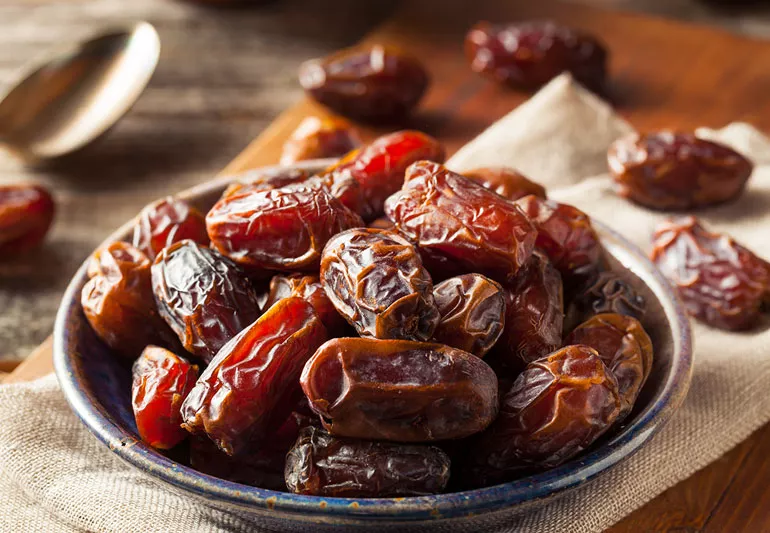
Dates are no longer just a traditional fruit served during Ramadan or enjoyed as a natural sweet snack. Today, they are appearing in energy bars, smoothies, healthy desserts, breakfast bowls, and premium food products around the world. Their natural sweetness, nutritional value, and versatility have helped dates become part of the growing global interest in healthier food choices.
But why are dates becoming so popular? How did this ancient fruit develop into a modern food trend? From Middle Eastern farms to international supermarkets, the story of dates shows how traditional food can find a new place in the global health and lifestyle market.
What Are Dates and Why Are They Popular?
Dates are sweet fruits that grow on date palm trees, scientifically known as Phoenix dactylifera. They have been cultivated for thousands of years, especially in regions of the Middle East and North Africa.
Dates are known for their soft texture, caramel-like sweetness, and natural energy. They can be eaten fresh or dried, depending on the variety. Some popular types include Medjool, Deglet Noor, Ajwa, and Sukkari.
One reason dates are becoming more popular is their ability to replace refined sugar in many recipes. People are using date paste, date syrup, and blended dates to add sweetness to homemade snacks and desserts.
Quick answer: Dates are becoming a global food trend because they offer natural sweetness, dietary fiber, convenience, and flexibility in both traditional and modern recipes.
Why Are Dates Suddenly Everywhere?
1. Growing Interest in Natural Sweeteners
Many consumers are looking for alternatives to highly processed sweeteners. This has increased interest in foods that provide sweetness in a less processed form.
Dates contain naturally occurring sugars and can be used in energy balls, snack bars, and desserts. Their sticky texture makes them useful as a binding ingredient in homemade food products.
However, natural sugar is still sugar. Dates and products made from them should be consumed in appropriate portions, particularly by people managing their blood glucose.
The appeal is not that dates are sugar-free, but that they can provide sweetness alongside fiber and other nutrients.
2. The Rise of Healthy Snacking
Busy lifestyles have increased demand for convenient snacks. Consumers often want food that is easy to carry, quick to eat, and suitable for active routines.
Dates fit this need. They require little preparation and can be eaten on their own or combined with nuts, seeds, and other ingredients.
Athletes and fitness enthusiasts also use dates as a source of carbohydrates before or after physical activity. Their usefulness depends on individual energy requirements and the overall diet.
As healthy snacking becomes more popular, dates are appearing in products such as:
- Date and nut energy bars
- Stuffed dates with almonds or peanut butter
- Date-based snack balls
- Breakfast mixes
- Smoothies and homemade desserts
How Dates Became a Global Food Trend
Dates have a long history in Middle Eastern and North African cultures. They have traditionally been important as food, hospitality offerings, and religiously significant products.
Over time, improved transportation, food processing, packaging, and international trade helped bring dates to consumers in more countries.
Today, dates are sold in supermarkets, online stores, specialty food shops, and health-focused brands. Their international popularity is supported by both traditional demand and newer applications in packaged food.
Countries such as Saudi Arabia, Egypt, the United Arab Emirates, Algeria, and Iran have important date-growing industries. The global date market includes multiple varieties, farming methods, processing systems, and export destinations.
The modern trend is not simply about discovering dates for the first time. It is also about presenting a familiar fruit in new ways.
The Nutritional Benefits of Dates
Dates provide several nutrients that make them an interesting addition to a balanced diet.
Dietary Fiber
Whole dates contain dietary fiber, which supports normal digestive function. The amount of fiber depends on the variety and serving size.
Natural Energy
Dates contain carbohydrates, including naturally occurring sugars. This makes them a convenient source of energy, especially when combined with other foods.
Minerals
Dates contain minerals such as potassium, magnesium, and copper in varying amounts. Their contribution depends on the portion consumed and the rest of a person’s diet.
Antioxidant Compounds
Dates contain plant compounds, including polyphenols and carotenoids, that have antioxidant properties. The quantity and composition vary among different varieties.
Although dates can be part of a healthy diet, they are not a replacement for a balanced range of fruits, vegetables, proteins, and whole grains.
Why Food Brands Are Adding Dates to Their Products
Food manufacturers are using dates in products that target consumers interested in convenience and natural ingredients.
Date paste can be used in snack bars and bakery products. Date syrup is used as a sweetening ingredient in beverages, desserts, and breakfast foods. Whole dates are also packaged as premium snacks.
The fruit’s texture and flavor give food companies opportunities to create different products. Packaging, variety, origin, and processing can influence how dates are marketed.
Some brands highlight organic farming, while others focus on premium varieties, sustainability, or traditional production methods. These claims need to be evaluated individually because not every date product has the same nutritional profile or production practices.
Popular Ways to Eat Dates
Dates are easy to include in everyday meals. Here are a few simple ideas:
- Morning snack: Eat dates with nuts or yogurt.
- Energy bites: Blend dates with oats, nuts, and seeds.
- Smoothies: Add a small amount of date to provide sweetness.
- Desserts: Use date paste in homemade bars or baked recipes.
- Stuffed dates: Fill dates with nuts or other ingredients for a quick snack.
Portion size matters because dates are energy-dense and naturally sweet.
What Is the Future of the Global Date Market?
The future of dates will depend on consumer demand, agricultural production, supply chains, and food innovation. Growing interest in convenient snacks and traditional ingredients may create opportunities for date-based products.
At the same time, date farming faces challenges, including water availability, climate conditions, pests, and post-harvest handling. Sustainable farming and efficient processing will remain important to the long-term development of the industry.
The growing popularity of dates illustrates how a traditional food can become relevant to modern consumers without losing its cultural identity.
Conclusion
Dates are becoming more visible in global food culture because they combine traditional value with modern convenience. Their natural sweetness, fiber content, and flexibility make them useful in snacks, desserts, and packaged foods.
From Middle Eastern markets to international supermarkets, dates demonstrate how an ancient fruit can adapt to changing consumer preferences. Whether enjoyed on their own or used as an ingredient, dates are becoming a familiar part of the global food conversation.
