

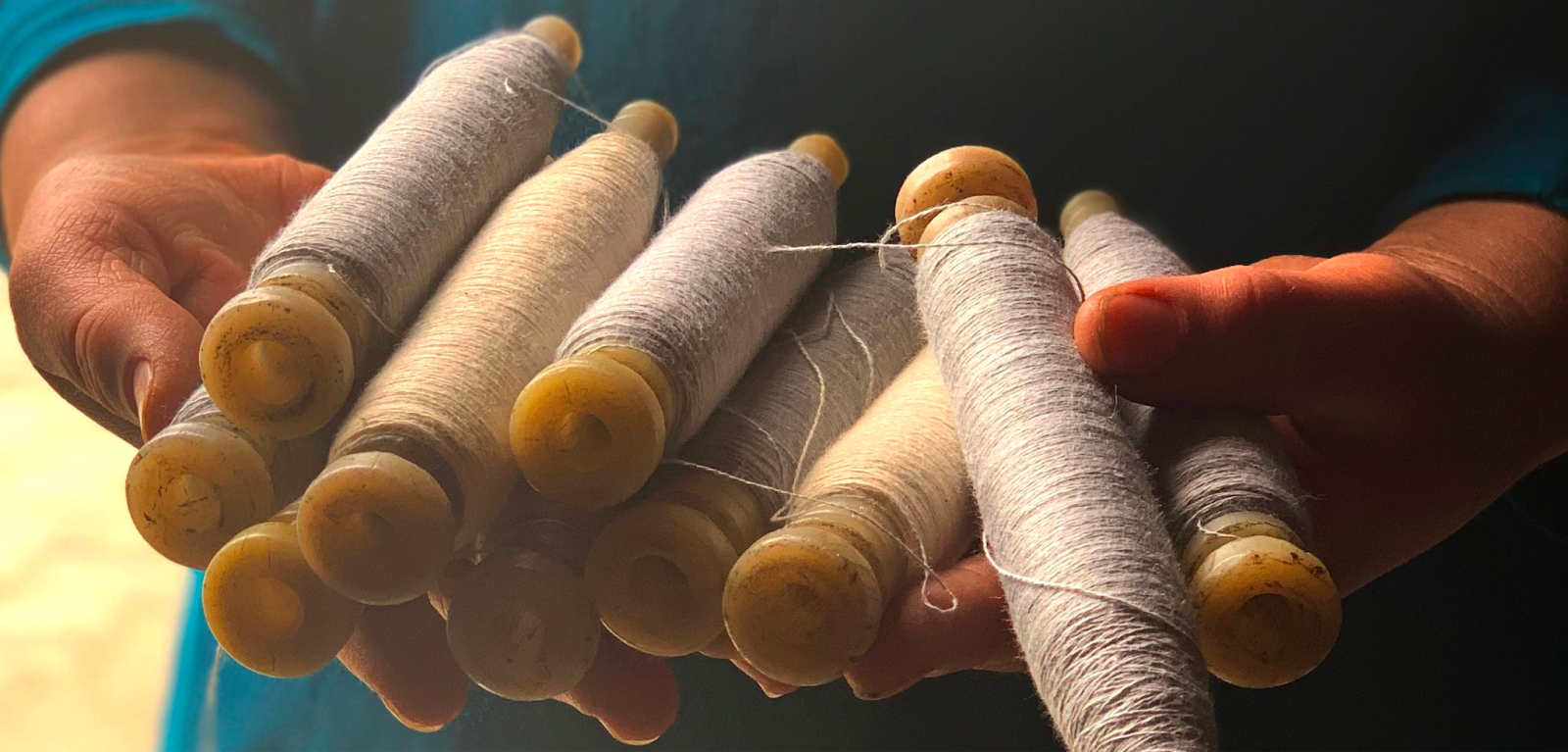
Five years ago, Pía Aspillaga, Francisca Sánchez, and the rest of its team embarked on a project with equal parts chance and a search for purpose. Their goal was to create everyday objects using solid waste, but they weren’t sure where to begin.
During a family trip to Russia, Pía had a fortunate encounter with a Mexican family who shared their success in recycling textiles back home. It was perfect timing since Pía was moving to Mexico City for work in two months.
Upon arriving in Mexico, Pía visited a textile recycling factory in Tlaxcala and witnessed its immense potential. Their first ever collection was a customized project for a Chilean retail chain, which received excellent feedback. Inspired by this, they decided to expand internationally to the US, which required them to relocate production to Turkey. This move allowed them to enhance quality, diversify their product range, and recycle even more tons of cotton waste.
During the team’s visit to Denizli, they met a talented family of artisans with a 40-year legacy in weaving. They humbled themselves and learned it, as part of this traditional craft fuels their desire to preserve it.
Now, as a proud B Corp certified and 1%For the Planet Member with numerous sustainability awards since establishment, starting the business has been absolutely worth it.
Upcycling: A Mission to Transform
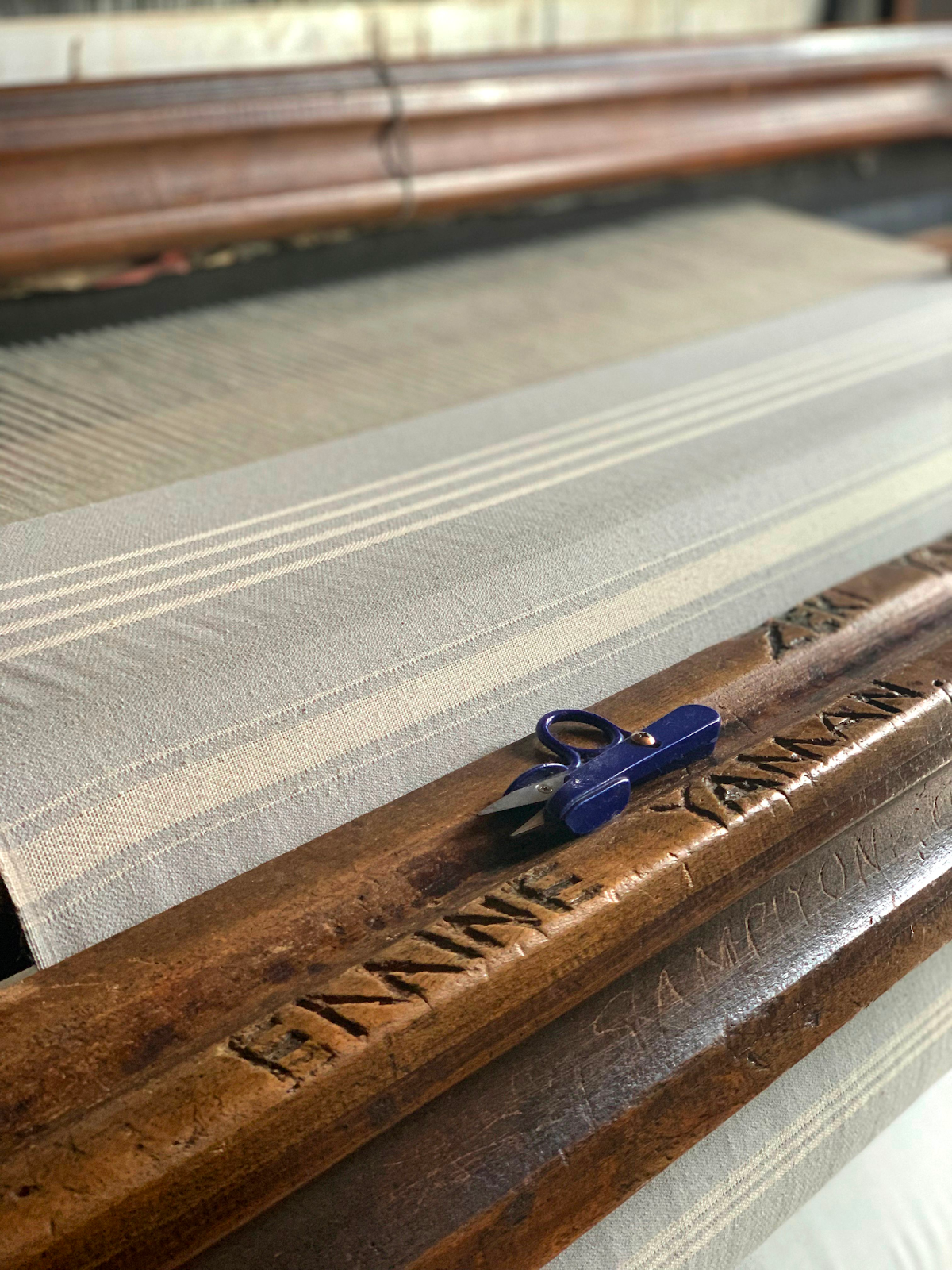
The mission of Hilana Upcycled Cotton is to create the most sustainable home textiles possible. Cotton waste is a byproduct of the textile industry that they “upcycle.” By transforming it into superior home textiles, they give this waste a second chance at life rather than letting it end up in a landfill. Through upcycling, they lessen the demand for fresh materials, conserve water, and cut down on carbon emissions that come from using the traditional process of manufacturing.
They prioritize sustainability in every aspect of their business. From sourcing materials to production methods, they carefully consider the environmental impact at every step. They also value social responsibility, collaborating with skilled artisans who have a rich history in their craft. This ensures that their products not only benefit the planet but also support local communities and traditional craftsmanship.
Sustainability Meets Style

Hilana’s collection is mainly made up of towels, robes, blankets, tablecloths, and ponchos. Every year they add fresh designs and styles as they try to gauge new trends and technologies that can be used to improve their products and ultimately, satisfy their clients.
Furthermore, these textiles are engineered for superior performance and convenience. They boast an impressive absorbency rate, drying up to five times faster than traditional terry towels. This makes them an ideal choice for anyone on the go or seeking efficiency in their daily routines. Additionally, their ultra-lightweight nature and compact foldability mean they can be easily transported, from the gym bag to the travel suitcase, without any hassle.
Versatility is another hallmark of the collection. Whether you’re laying out at the beach, participating in a yoga class, enjoying a picnic, or simply wanting to add a touch of style over your couch, their textiles are designed to suit a variety of occasions and settings. For consumers who look for everyday items that don’t just look stylish but are also functional and eco-friendly, these are definitely the next best products to add to your closet.
A Culture of Collaboration and Kindness

The cooperation, intimacy, and generosity that pervade every facet of Hilana are what really make the organization stand out. They always provide warm, friendly service to suppliers and customers and engage in collaborative efforts, which means lending help to other companies and taking part in events that enhance the industry’s feeling of community. Strong friendships and alliances have been formed as a result of this empathy and support for one another.
The foundation of Hilana’s culture is the belief that everyone has something to offer, and the most ethical way to honor the support they’ve received is by paying it forward. This philosophy has not only guided the company’s internal operations but also shaped its interactions with the broader community, proving that business success and social impact can indeed go hand in hand.
Long-Lasting Impact

Hilana’s path has not been without difficulties, especially in the beginning when upcycling was still a novel idea. Because Turkish craftspeople were highly skeptical of the vernacular nature of recycled materials, it took a great deal of “evangelization” to persuade them to work with textile waste. But Hilana has shown how repurposed materials can be used to create high-quality, sustainable textiles, converting skepticism into enthusiasm through perseverance and the strength of teamwork.
This encourages other companies and industries to reconsider their own practices and materials. By proving that high-quality, sustainable textiles can be produced from upcycled materials, Hilana has set a precedent for environmental responsibility that contributes to a broader cultural change, where sustainability is increasingly valued and demanded by consumers and producers alike.
Hilana Upcycled Cotton has definitely built its own blueprint for a sustainable future. Through their innovative approach to upcycling, commitment to traditional craftsmanship, and a business model built on empathy and collaboration, Pía Aspillaga and Francisca Sánchez have not only created a successful company but have sparked a movement. As we look towards a future where sustainability is non-negotiable, Hilana Upcycled Cotton is a reminder that change is possible, and it starts with us, one textile at a time.
