

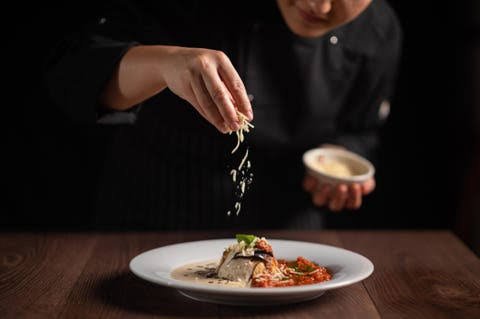
Luxury food is changing. For many years, expensive ingredients, famous brands, and high prices were the main signs of premium food. Today, consumers are looking for something deeper. They want to know where their food comes from, who produced it, how it was made, and why it is special.
This shift has created a new idea of luxury food: provenance can matter more than price.
From rare olive oils and single-origin chocolate to heritage grains, specialty coffee, artisan cheese, and carefully sourced seafood, people increasingly value the story behind what they eat. A food product does not need to be the most expensive item on the menu to feel luxurious. Its origin, quality, craftsmanship, and authenticity can make it more meaningful.
What Does Food Provenance Mean?
Food provenance refers to the origin and history of a food product.
It can include information such as:
- Where the ingredients were grown or produced
- The farm, region, or country of origin
- Who produced or harvested the food
- How the ingredients were processed
- Traditional methods used in production
- How the product reached the consumer
For example, coffee described only as “premium coffee” may be attractive. But coffee identified by its specific farm, region, altitude, processing method, and harvest can offer consumers a much stronger sense of authenticity.
This information gives food an identity.
Why Provenance Is Becoming a Luxury
Modern consumers have more choices than ever. Supermarkets, online stores, restaurants, and specialty food businesses offer thousands of products.
With so many options, consumers often want something that feels real, unique, and trustworthy.
Provenance helps create that feeling.
A bottle of olive oil from a specific family-owned farm can feel more valuable when consumers know how the olives were grown and harvested. Similarly, a chocolate bar made with cocoa from a particular region can become more interesting when its origin and production process are clearly explained.
The value comes from more than the product itself. It comes from the connection between the product, its place, and the people behind it.
Authenticity Is the New Status Symbol
Traditional luxury was often about showing wealth. A high price could signal exclusivity.
The new luxury is increasingly about knowledge and authenticity.
Consumers may prefer products that demonstrate:
- Authentic origin
- Limited production
- Traditional craftsmanship
- Sustainable sourcing
- Transparent supply chains
- High-quality ingredients
- Strong producer relationships
Knowing that a cheese comes from a particular region or that honey was collected from a specific landscape can make the experience more personal.
In this sense, luxury food becomes less about saying, “I paid a lot,” and more about saying, “I know what makes this special.”
Technology Is Making Provenance Easier to Understand
Technology is also changing how consumers discover the story behind food.
QR codes, digital product pages, farm information, certifications, and traceability systems can help shoppers learn more about products before buying them.
A customer might scan a QR code and discover:
- The farm where an ingredient was produced
- The harvest date
- The production method
- The producer’s story
- Certifications
- Information about transportation or processing
This level of transparency can increase consumer confidence.
For food brands, provenance can therefore become an important part of their marketing strategy. Instead of simply saying that a product is “premium,” brands can explain why it is premium.
Sustainability and Provenance Often Go Together
Provenance is also connected to sustainability.
Consumers increasingly want to understand whether food is responsibly produced. They may ask whether farmers are treated fairly, whether natural resources are protected, and whether production methods have a lower environmental impact.
A clear supply chain can make it easier to answer these questions.
However, provenance should not automatically be treated as proof that a product is sustainable. Brands still need credible evidence, certifications, and transparent information to support environmental or ethical claims.
Why Storytelling Matters in Luxury Food
Food has always been connected to culture and memories. Provenance gives brands an opportunity to tell those stories.
A traditional recipe, an old farming technique, a family-owned producer, or a unique geographical region can turn an ordinary food product into an experience.
This is especially powerful in restaurants.
A chef who explains where an ingredient came from can create a stronger connection between the customer and the meal. The ingredient becomes more than something on a plate. It becomes part of a story.
Is Expensive Food Still Luxury?
Yes, price still matters. Expensive ingredients can reflect rarity, production costs, craftsmanship, or limited supply.
But price alone is becoming less convincing.
A very expensive product with an unclear origin may feel less desirable than a moderately priced product with a strong, credible story.
The future of luxury food is therefore likely to combine quality, rarity, authenticity, transparency, and provenance.
The Future of Luxury Food
The food industry is moving toward a more informed consumer.
People want to ask questions before they buy. Where did this come from? Who made it? How was it produced? Is the story authentic? What makes it different?
Brands that can answer these questions clearly may have an advantage.
The new luxury food market is not simply about selling expensive products. It is about creating trust, meaning, and connection.
In the future, the most valuable food may not always be the food with the highest price. It may be the food with the most credible story.
