

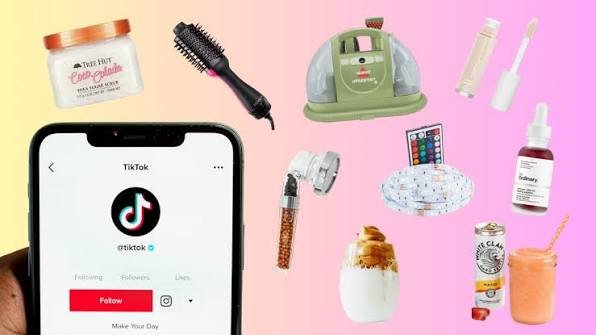
In today’s digital world, products can become popular overnight. A video featuring a beauty product, fashion accessory, or kitchen gadget can receive millions of views and generate thousands of orders within a few days. However, not every viral product becomes a long-term success. Some products disappear from the market as quickly as they become popular, while others influence consumer behavior for years.
The main difference between a viral product and a cultural trend is how long the interest lasts and how deeply it changes people’s habits, values, and buying decisions.
Understanding this difference is important for brands, marketers, entrepreneurs, and business owners who want to build lasting success rather than chase short-term attention.
What Is a Viral Product?
A viral product is an item that quickly gains popularity through social media, online videos, influencer recommendations, or word of mouth.
These products often attract attention because they look interesting, solve a specific problem, offer something unusual, or create an entertaining experience. Platforms such as TikTok, Instagram, YouTube, and Facebook can help a product reach millions of people in a short time.
For example, a unique beauty tool might become popular after a creator demonstrates how it works in a short video. Viewers become curious, share the video, and purchase the product.
Common characteristics of viral products include:
- Rapid growth in views, searches, and sales.
- Strong social media attention.
- Influencer and creator recommendations.
- A clear visual appeal or surprising benefit.
- A sudden increase in consumer demand.
However, viral popularity does not always mean that a product has lasting value. Some customers purchase an item because everyone is talking about it, not because they genuinely need it.
When the excitement fades or another product becomes popular, demand may fall sharply.
What Is a Cultural Trend?
A cultural trend is a broader change in people’s behavior, preferences, values, or lifestyles. Unlike a viral product, a cultural trend can influence several industries and continue for months or years.
Cultural trends often develop gradually. They may begin with a small group of consumers and grow as more people adopt the same habits or ideas.
For example, growing interest in sustainability has influenced fashion, packaging, beauty products, food choices, and home goods. Consumers increasingly consider environmental impact when choosing certain products and brands.
Other examples include the growth of athleisure fashion, the popularity of minimalist design, and the increasing use of reusable products.
Cultural trends usually have these characteristics:
- They influence behavior beyond a single product.
- They connect with people’s values, needs, or lifestyles.
- They can affect multiple industries.
- They may create long-term changes in purchasing decisions.
- They often continue even when individual viral products lose popularity.
A cultural trend gives brands an opportunity to build a long-term relationship with consumers.
Viral Product vs. Cultural Trend: Key Differences
Although viral products and cultural trends can influence each other, they are not the same.
1. Duration: A viral product may remain popular for days, weeks, or months. A cultural trend can continue for years, depending on its relevance and strength.
2. Consumer motivation: People may buy viral products because of curiosity, entertainment, or fear of missing out. Cultural trends are often connected to deeper needs, identities, and lifestyle preferences.
3. Market impact: A viral product may generate a temporary sales increase for one brand. A cultural trend can reshape entire product categories and influence how businesses operate.
4. Growth pattern: Viral products often experience sudden popularity. Cultural trends may develop slowly before reaching mainstream audiences, although some can spread rapidly.
5. Business opportunity: Viral products can offer quick sales opportunities. Cultural trends can help businesses develop new product lines, improve brand positioning, and build long-term customer loyalty.
For marketers, the goal is not simply to choose between the two. It is to understand how short-term attention can connect with a lasting consumer need.
How Does a Viral Product Become a Cultural Trend?
Some viral products eventually become part of everyday life. This happens when a product moves beyond online excitement and becomes genuinely useful, meaningful, or connected to changing consumer habits.
There are several factors that can support this transition.
1. It Solves a Real Problem
Products that offer practical value have a better chance of retaining customers after the initial excitement disappears.
For example, a kitchen tool might go viral because of an impressive demonstration. If it consistently saves time and makes cooking easier, customers may continue using it and recommend it to others.
2. It Connects With Changing Consumer Behavior
A product has greater long-term potential when it aligns with an existing or emerging lifestyle shift.
For example, a reusable water bottle may gain attention through social media, but its connection with hydration habits, convenience, and waste reduction can support continued demand.
3. Customers Continue Talking About It
Long-term popularity depends on more than paid promotions. Genuine recommendations, repeat purchases, positive reviews, and community discussions can help a product remain relevant.
4. Brands Keep Improving the Experience
Businesses that listen to customers and improve product quality, design, availability, and customer service have a better chance of converting temporary interest into sustained demand.
However, not every viral product becomes a cultural trend. Some products remain successful niche items, while others lose attention because their appeal is temporary.
How Brands Can Use Viral Products and Cultural Trends
Brands should treat viral moments as opportunities to learn about their audiences rather than automatic proof of long-term demand.
First, businesses should measure more than views and likes. Conversion rates, customer acquisition costs, repeat purchases, returns, and customer feedback can provide a clearer picture of a product’s potential.
Second, brands should identify the reason behind the product’s popularity. Is it solving a problem, supporting a lifestyle, offering a unique experience, or simply creating entertainment?
Third, businesses should avoid investing heavily in inventory based only on social media attention. Testing demand with small batches or limited campaigns can reduce financial risk.
Finally, brands should connect short-term marketing campaigns with a consistent identity. If a viral product fits the brand’s purpose and customer needs, it may become a valuable part of a larger business strategy.
Why This Difference Matters for the Future of Marketing
Social media has made product discovery faster than ever. A single creator can introduce an unfamiliar product to a global audience, and algorithms can rapidly amplify consumer interest.
However, attention and loyalty are different things. A viral video can encourage someone to make a first purchase, but product quality, usefulness, price, and customer experience influence whether that person returns.
Brands that focus only on viral moments may struggle when consumer attention moves elsewhere. Businesses that understand cultural trends can identify broader changes in demand and prepare products that remain relevant.
The strongest marketing strategy combines both approaches: use viral content to attract attention and use genuine consumer value to build lasting relationships.
Conclusion
The difference between a viral product and a cultural trend comes down to the depth and duration of consumer interest. A viral product gains rapid attention, while a cultural trend reflects a broader shift in behavior, preferences, or lifestyle.
A product can become part of a cultural trend, but popularity alone does not guarantee this outcome. Long-term success depends on usefulness, quality, relevance, and the ability to meet real consumer needs.
For businesses, the biggest opportunity is to look beyond what is popular today and understand why people are interested in it. That insight can help turn temporary attention into meaningful and sustainable growth.
