

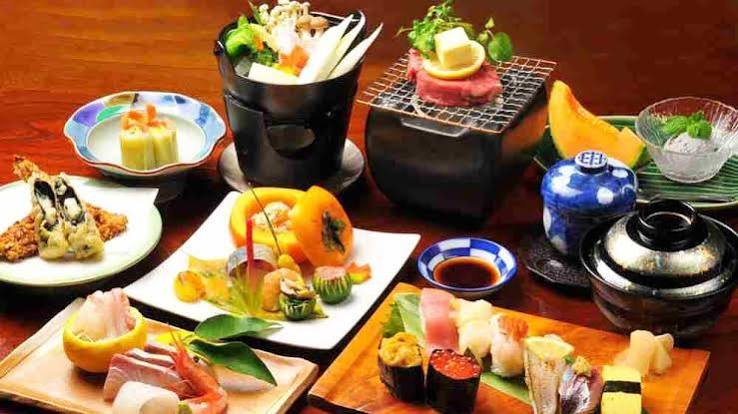
Luxury food culture is changing. For many years, fine dining was strongly connected with French cooking, Italian ingredients, expensive wines, and traditional European dining styles. Today, Asian flavours are becoming an important part of luxury restaurants, premium food products, and international culinary experiences.
From Japanese matcha and Korean gochujang to Indian spices, Chinese teas, and Southeast Asian ingredients, Asian cuisine is gaining attention among chefs, food lovers, and luxury brands. These flavours offer something special: rich history, unique taste, cultural meaning, and exciting possibilities for modern cooking.
But why are Asian flavours becoming mainstream in luxury food culture? The answer includes changing consumer preferences, global travel, social media, creative chefs, and growing interest in authentic food experiences.
What Makes Asian Flavours Attractive to Luxury Food Brands?
Asian flavours stand out because they combine tradition, creativity, and complexity. Ingredients such as yuzu, miso, saffron, cardamom, matcha, sesame, and fermented chilli can transform simple dishes into memorable culinary experiences.
Luxury food brands are increasingly interested in ingredients that tell a story. Consumers want to know where their food comes from, how it is prepared, and what makes it different.
For example, Japanese matcha is used in premium desserts, chocolates, drinks, and pastries. Yuzu, a citrus fruit popular in Japan, adds a fresh and distinctive taste to sauces, cocktails, and fine-dining dishes.
Indian spices also offer enormous creative potential. Cardamom, turmeric, black pepper, and saffron can bring depth and fragrance to premium desserts, speciality beverages, and modern restaurant menus.
These ingredients help chefs create distinctive dishes while offering customers a deeper connection with food and culture.
1. Global Travel Is Changing Food Preferences
International travel has introduced more people to different Asian cuisines. Travellers visiting Japan, South Korea, Thailand, India, Singapore, and Vietnam often discover flavours they want to experience again at home.
Luxury hotels and restaurants are responding to this demand by introducing Asian-inspired menus and regional specialities.
For example, a fine-dining restaurant might serve a Japanese-inspired tasting menu, a modern Indian dessert course, or a premium cocktail made with Asian citrus and tea.
These experiences appeal to customers who want more than an expensive meal. They want something memorable, distinctive, and connected to a particular place or tradition.
As global travel and cultural exchange continue, Asian flavours are becoming increasingly familiar to international audiences.
2. Social Media Is Making Asian Food More Popular
Social media has helped Asian food trends reach a global audience. Platforms such as Instagram, TikTok, and YouTube allow chefs, restaurants, and food creators to showcase colourful dishes, unusual ingredients, and creative recipes.
Matcha drinks, Korean-inspired desserts, Japanese pastries, and fusion dishes often attract attention because they look appealing and offer something different.
Food videos also introduce audiences to ingredients they may not have encountered before. A person who discovers matcha through a café video may later try matcha chocolate, premium tea, or a matcha-based dessert at a luxury restaurant.
For luxury brands, this creates opportunities to connect traditional ingredients with modern lifestyles.
However, social media popularity alone does not create lasting value. Quality, authentic preparation, and a satisfying dining experience are still important for building customer loyalty.
3. Luxury Chefs Are Experimenting With Asian Ingredients
Professional chefs are using Asian ingredients to develop new flavour combinations and reinterpret familiar dishes.
For example, miso can add savoury depth to caramel, while yuzu can bring freshness to rich desserts and sauces. Korean gochujang can introduce sweetness, heat, and complexity to contemporary dishes.
Indian cuisine also offers many opportunities for innovation. Chefs can combine traditional spices with modern techniques, creating dishes that respect their origins while introducing new presentations.
This approach allows restaurants to balance familiarity with discovery.
Asian ingredients are not simply being added to menus for decoration. When used thoughtfully, they can influence the structure, flavour, aroma, and identity of a dish.
The most successful luxury dining experiences often combine technical skill, carefully selected ingredients, and a clear culinary vision.
4. Authenticity and Cultural Storytelling Matter
Modern luxury consumers increasingly look for products and experiences with a meaningful story. Asian food traditions provide centuries of culinary knowledge, regional diversity, and distinctive preparation methods.
Japanese fermentation, Korean kimchi-making, Indian spice blending, and Chinese tea traditions demonstrate how food can carry cultural meaning beyond taste.
Luxury restaurants can communicate this heritage by explaining ingredients, highlighting regional cooking methods, and working with knowledgeable chefs and producers.
Authenticity is especially important when using traditional Asian ingredients. Simply adding a popular flavour to a dish does not automatically make it authentic or culturally respectful.
Restaurants should understand the ingredient’s origins, use it appropriately, and avoid presenting complex culinary traditions as a single, uniform Asian cuisine.
This deeper approach can create more meaningful experiences for customers and help build trust.
5. Premium Asian Ingredients Are Expanding Beyond Restaurants
The popularity of Asian flavours is also influencing luxury products outside fine dining.
Premium tea, speciality chocolate, gourmet sauces, artisan snacks, and high-end beverages increasingly offer opportunities for Asian-inspired flavours.
Matcha has become a familiar ingredient in premium drinks and desserts. Yuzu appears in speciality beverages and confectionery, while sesame, ginger, and cardamom offer distinctive options for gourmet products.
Luxury hotels, speciality cafés, and food retailers can use these ingredients to develop products that feel both contemporary and rooted in culinary tradition.
Still, premium positioning requires more than attractive packaging. Consistent quality, responsible sourcing, flavour balance, and transparent product information all contribute to a product’s reputation.
6. The Future of Asian Flavours in Luxury Food Culture
Asian flavours are likely to remain influential as chefs and food brands explore regional ingredients and culinary traditions.
Consumers may see more specialised tea experiences, modern Indian tasting menus, Korean-inspired fine dining, and creative combinations of Asian ingredients with European cooking techniques.
Sustainability and ingredient traceability may also become more important. Luxury customers can increasingly expect brands to explain sourcing practices and demonstrate respect for producers and local food traditions.
At the same time, businesses must avoid treating every new flavour as a temporary trend. Long-term success depends on quality, consistency, cultural understanding, and genuine culinary creativity.
The future of luxury food culture will not necessarily be about replacing European cuisine with Asian cuisine. Instead, it will involve a broader exchange of ideas, ingredients, and techniques.
Conclusion
Asian flavours are becoming mainstream in luxury food culture because they offer a powerful combination of taste, tradition, creativity, and cultural identity. Global travel, social media, innovative chefs, and changing consumer preferences have helped bring these ingredients to a wider audience.
From Japanese matcha and yuzu to Indian spices and Korean fermented flavours, Asian ingredients are influencing fine dining, premium beverages, and gourmet products.
Ultimately, the strongest luxury food experiences will be those that combine innovation with authenticity. When chefs and brands respect culinary traditions while creating something new, Asian flavours can offer much more than a passing trend. They can help shape the future of global luxury dining.
