

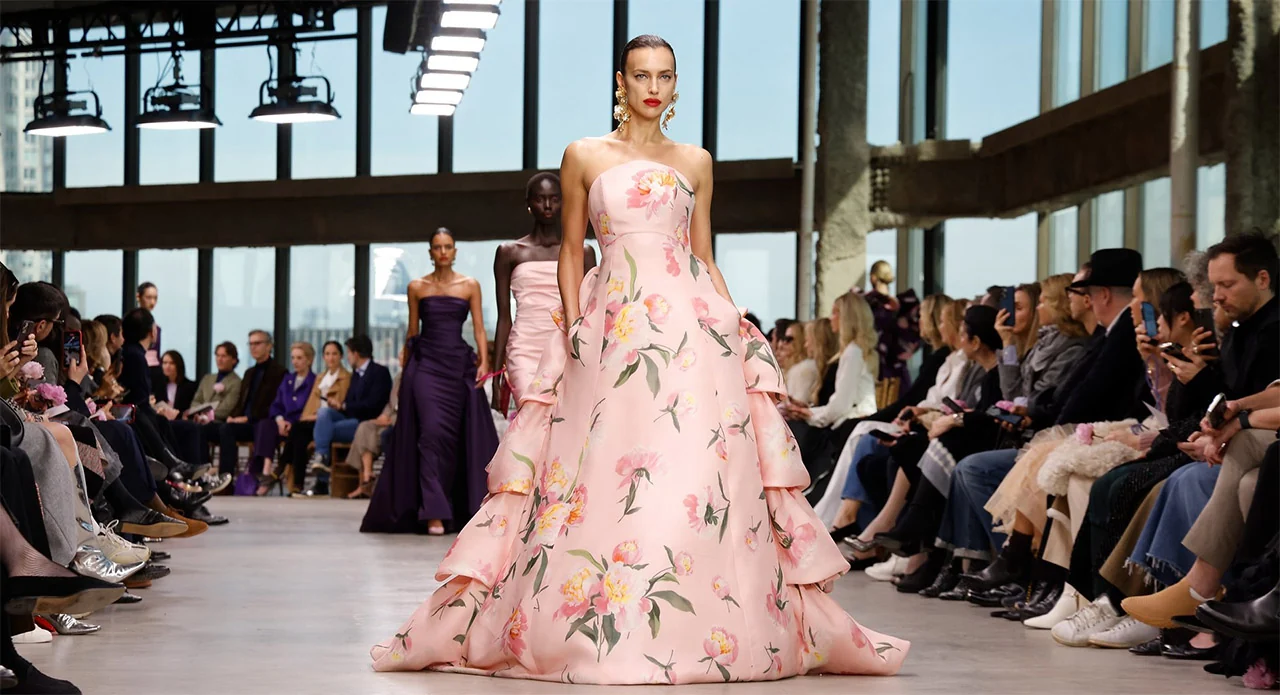
Fashion Week has always been one of the biggest events in the fashion industry. Designers, models, celebrities, influencers, buyers, and fashion lovers come together to celebrate new collections and creative ideas. Traditionally, Fashion Week was all about runway shows, where models walked wearing the latest designs while audiences watched from their seats.
However, the fashion industry is changing. Today, Fashion Week is becoming much more than a traditional runway presentation. Designers are creating exciting experiences that allow guests to connect with their brands, explore creative spaces, interact with products, and share unforgettable moments on social media.
From immersive fashion installations to celebrity appearances, digital experiences, live performances, and interactive events, Fashion Week is becoming a complete entertainment and lifestyle experience.
But why is this change happening, and what does it mean for the future of fashion?
Let’s explore.
1. Fashion Shows Are Becoming Creative Experiences
In the past, a successful fashion show mainly depended on its clothing collection, models, and runway presentation. Today, designers are thinking beyond traditional fashion shows.
Many fashion brands are creating special environments that reflect their creative vision. Instead of simply presenting clothes, they want guests to experience the story behind their collections.
For example, a designer launching a summer collection might create a tropical-inspired location with beautiful decorations, music, lighting, and interactive displays.
These creative presentations help audiences understand the inspiration behind the collection. They also make fashion events more memorable.
Fashion is no longer just about what people wear. It is also about how people feel when they experience a brand.
2. Social Media Is Changing Fashion Week
Social media has completely transformed how people experience Fashion Week.
Earlier, runway shows were mainly watched by fashion editors, industry professionals, buyers, and selected guests. Today, millions of people can follow fashion events through Instagram, TikTok, YouTube, and other digital platforms.
Designers understand that a memorable fashion experience can generate thousands of social media posts, videos, and discussions.
A beautiful fashion installation, celebrity moment, or unusual runway presentation can quickly become popular online.
Brands are now creating visually attractive experiences that encourage guests and influencers to capture and share content.
This means Fashion Week is no longer limited to the people attending the event. It has become a global digital experience.
3. Celebrities and Influencers Are Playing a Bigger Role
Celebrities and influencers have become important parts of modern Fashion Week.
When popular celebrities attend fashion shows, their outfits, accessories, and beauty looks often receive significant attention.
Fashion brands understand the marketing value of celebrity appearances. A single photograph of a famous personality wearing a designer outfit can introduce the brand to millions of potential customers.
Influencers also help brands connect with younger audiences. Their videos, personal opinions, backstage content, and outfit reviews make Fashion Week feel more accessible.
People are not only interested in the clothes presented on the runway. They also want to see what celebrities are wearing, who is attending, and what is happening behind the scenes.
This combination of fashion, entertainment, and celebrity culture has made Fashion Week more exciting.
4. Luxury Brands Are Creating Immersive Brand Experiences
Luxury fashion brands are investing in experiences that help customers connect emotionally with their identities.
Instead of focusing only on product displays, brands are creating special events with artistic installations, music, technology, and unique locations.
These experiences help visitors understand the brand’s history, craftsmanship, and creative direction.
For example, a luxury fashion house might organize an exclusive presentation inside a historic building or transform an exhibition space into an artistic environment inspired by its latest collection.
Such events create stronger connections between customers and brands.
For luxury companies, the goal is not simply to sell a dress, handbag, or pair of shoes. It is to sell a lifestyle, an identity, and an emotional experience.
5. Technology Is Making Fashion Week More Interactive
Technology is another major reason Fashion Week is changing.
Digital screens, virtual presentations, augmented reality (AR), and artificial intelligence (AI) are creating new opportunities for fashion brands.
Some brands use digital technology to present their collections in creative ways. Others experiment with virtual fashion experiences and interactive displays.
Technology can also help audiences explore product details, understand design inspiration, and discover collections beyond the traditional runway.
Digital fashion shows became particularly important during the COVID-19 pandemic, when physical gatherings were restricted.
Although traditional runway shows remain important, digital experiences have become another way for designers to reach global audiences.
In the future, technology could make Fashion Week even more interactive and accessible.
6. Fashion Week Is Connecting Fashion With Entertainment
Modern audiences enjoy experiences that combine different forms of entertainment.
Fashion Week is responding to this demand by bringing together fashion, music, art, culture, and celebrity entertainment.
Some events include live music performances, creative exhibitions, special dinners, and exclusive after-parties.
These activities make Fashion Week feel more like a cultural festival than a series of runway presentations.
This approach also helps designers attract people who may not traditionally follow fashion.
For example, music fans may become interested in a fashion brand because of a celebrity performance or an artist collaboration.
As a result, Fashion Week is expanding its audience and becoming an important part of popular culture.
7. Sustainability Is Becoming Part of the Fashion Experience
Sustainability is another important topic influencing modern Fashion Week.
Consumers are becoming more interested in how clothing is designed, manufactured, and delivered.
Fashion brands are responding by highlighting sustainable materials, responsible production, recycling, and ethical practices.
Some designers use their presentations to communicate environmental messages and explain the stories behind their collections.
However, sustainability should be supported by real business practices rather than attractive marketing campaigns alone.
Modern fashion audiences increasingly expect brands to demonstrate genuine responsibility.
Fashion Week provides an opportunity for designers to communicate these values directly to customers, journalists, and industry professionals.
8. What Does This Change Mean for the Future of Fashion Week?
The future of Fashion Week will likely combine traditional runway shows with interactive experiences.
Runway presentations will continue to be important because they allow designers to showcase clothing, creativity, and craftsmanship.
However, the overall event experience will become equally valuable.
We can expect more creative locations, digital storytelling, celebrity collaborations, interactive exhibitions, and technology-driven presentations.
Fashion brands will also focus on creating events that people want to discuss and share online.
For designers, this creates new opportunities to build stronger brand identities. For audiences, it makes fashion more engaging and accessible.
Fashion Week is evolving because people want more than beautiful clothes. They want stories, creativity, entertainment, and meaningful connections.
Conclusion
Fashion Week is changing from a traditional runway-focused event into a complete cultural and entertainment experience.
Designers are combining fashion with technology, art, music, celebrity culture, and social media to create memorable presentations.
This transformation reflects the changing expectations of modern audiences. People want to understand the stories behind fashion brands and experience their creativity in new ways.
The runway will always have an important place in the fashion industry. However, the future of Fashion Week will be about much more than models walking in designer clothing.
It will be about creating moments that people remember, photograph, discuss, and share with the world.
Fashion Week is no longer just about watching fashion. It is about experiencing it.
