

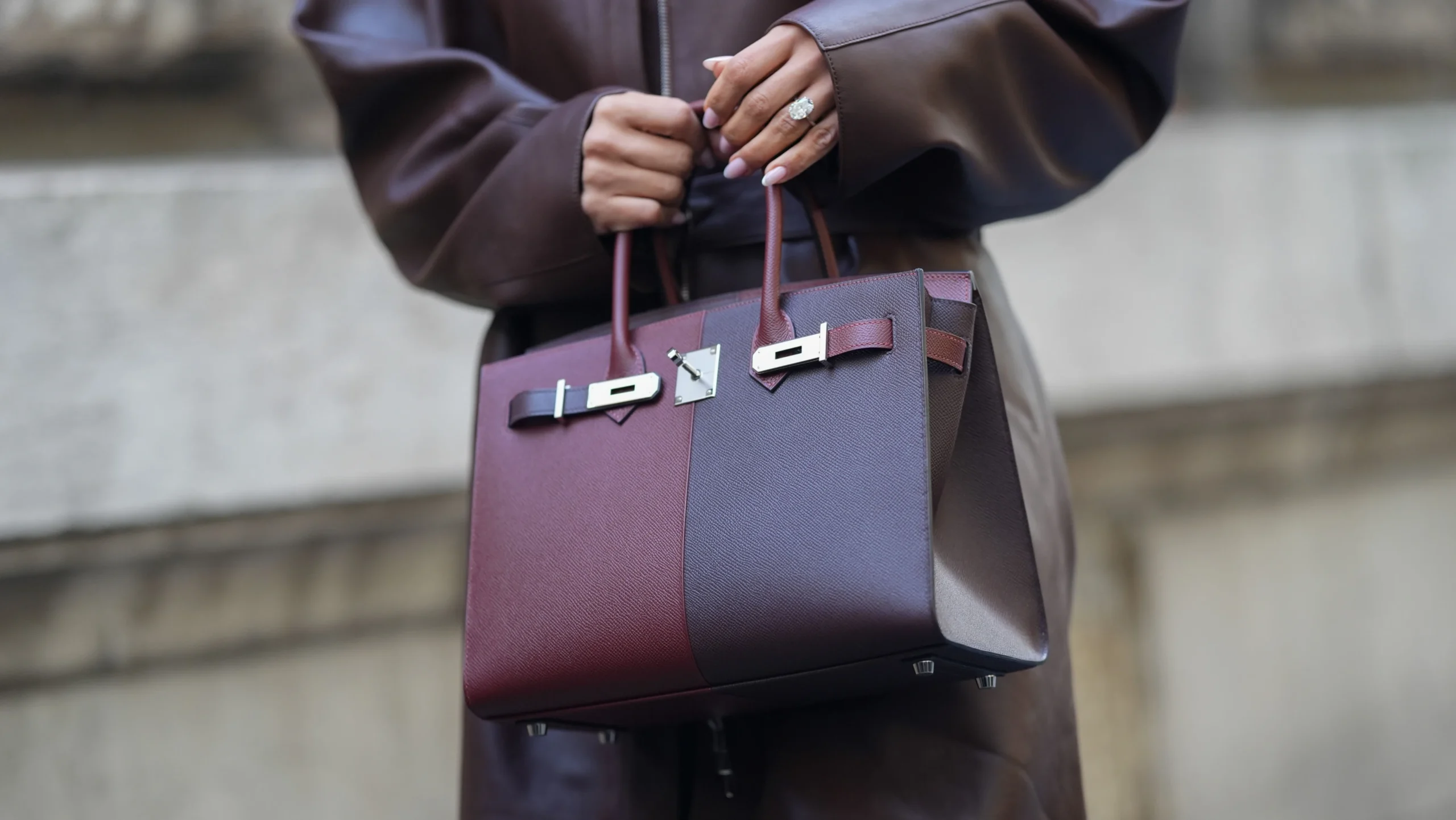
In the world of luxury fashion, status symbols are changing. For years, designer handbags, expensive shoes, and exclusive accessories have been used to express wealth and personal style. But a new idea is becoming more interesting: time itself is becoming a luxury, and the watch on your wrist may say more about your lifestyle than the bag you carry.
From luxury watches to personalized experiences, people are looking for products that offer meaning, craftsmanship, and long-term value. This shift is especially visible among luxury consumers who want more than a recognizable logo. They want an item that reflects their personality, taste, and appreciation for quality.
But why is time becoming a new status symbol? What makes a luxury watch different from a designer handbag? And why are modern consumers paying more attention to timeless accessories?
Let’s explore the changing meaning of luxury and the growing importance of time.
Why Handbags Became Traditional Status Symbols
For decades, designer handbags have represented luxury, fashion, and social status. Brands such as Hermès, Chanel, and Louis Vuitton have built strong reputations through craftsmanship, heritage, and brand recognition.
A luxury handbag can communicate several things at once. It may reflect someone’s fashion preferences, purchasing power, or interest in a particular designer. Limited editions and hard-to-find collections can also create a sense of exclusivity.
However, the luxury market is evolving. Some consumers are becoming more interested in products that are useful, durable, and connected to personal identity. Instead of buying an accessory only because it is popular, they may look for items that remain meaningful for years.
This does not mean handbags are becoming unimportant. They continue to play a major role in fashion. Instead, the definition of a status symbol is expanding.
Why Time Is Becoming a Luxury Concept
Time has always been valuable, but modern lifestyles have made it feel even more important. People manage work, business, family, travel, and digital communication every day. As a result, the idea of having control over one’s time has become closely connected to luxury and personal freedom.
A luxury watch represents this idea in a physical form. It is not simply an instrument for checking the hour. It can also represent patience, precision, tradition, and personal achievement.
For example, a mechanical watch may require hundreds of carefully assembled components and detailed finishing. Its value can come from the watchmaker’s skill, the brand’s history, and the quality of its design.
The watch becomes more than a practical product. It can become a reminder of important moments, such as a career milestone, a family achievement, or a personal goal.
The new appeal of time is not only about displaying wealth. It is also about expressing what a person values.
Luxury Watches and the Meaning of Craftsmanship
One reason watches remain relevant in luxury fashion is their connection to craftsmanship. While many accessories focus primarily on appearance, traditional mechanical watches also highlight engineering and watchmaking skills.
Brands such as Rolex, Patek Philippe, and Audemars Piguet are known for their watchmaking heritage and high-end mechanical timepieces.
A luxury watch may feature details such as:
- Mechanical movement and intricate engineering.
- High-quality metals and finishing.
- Hand-applied details and refined design.
- A history connected to watchmaking traditions.
- Designs intended to remain relevant across generations.
Not every luxury watch is made in the same way, and prices vary widely. However, craftsmanship is an important part of the appeal for collectors and enthusiasts.
For some buyers, owning a watch is an opportunity to appreciate the work behind the product rather than simply displaying a brand name.
From Visible Wealth to Personal Identity
Luxury consumption is often connected to social perception. A recognizable handbag can be identified quickly, while a watch may communicate a more subtle message.
Some watch enthusiasts prefer understated designs. They may choose a classic timepiece that is not immediately recognizable to everyone. Others enjoy bold cases, colorful dials, or distinctive complications.
This creates different ways to express personal identity.
A person might select a watch because it matches their professional style. Another person might choose a vintage model because they enjoy history. A collector may focus on movement design, rarity, or a brand’s legacy.
This variety makes watches interesting as personal accessories. The value is not determined by one universal definition of luxury.
At the same time, the idea that watches are always more meaningful than handbags would be too broad. Both categories can offer craftsmanship, design, personal expression, and cultural significance.
The Rise of Quiet Luxury and Timeless Design
The phrase “quiet luxury” became widely discussed in fashion conversations because of its focus on understated styling, quality materials, and less obvious branding. Although the trend has different interpretations, it helped bring attention to classic products and long-term wardrobe choices.
Watches fit naturally into this discussion because many classic designs can be worn with formal clothing, business outfits, or everyday fashion.
A simple watch with a clean dial and balanced proportions may work across multiple occasions. This versatility can make it appealing to consumers who prefer buying fewer products and using them for longer.
However, quiet luxury does not have one fixed style. Some consumers prefer minimal designs, while others enjoy recognizable luxury logos and bold fashion statements.
The broader point is that luxury buyers have different priorities, and personal taste plays an important role in what they choose.
Is Time Really the New Status Symbol?
The answer depends on the person and the context. Luxury watches have long been status symbols, so the concept itself is not entirely new. What may be changing is how people talk about luxury and what they expect from premium products.
For some consumers, a watch represents success and financial achievement. For others, it represents a personal milestone or an interest in craftsmanship. Some buyers simply enjoy the design and functionality.
The growing focus on time may also reflect a broader cultural conversation about work-life balance, experiences, and personal priorities.
Rather than suggesting that one accessory has replaced another, it is more accurate to say that luxury status symbols continue to evolve. Handbags, watches, jewelry, and other premium goods can all carry different meanings depending on the buyer.
What This Means for the Future of Luxury Fashion
The future of luxury fashion is likely to include a mix of traditional products and new consumer preferences. Designer handbags will remain part of the industry, while watches and other accessories will continue to attract buyers who value design and craftsmanship.
Technology is also influencing the market. Smartwatches offer health, communication, and digital features, while traditional watches appeal to people interested in mechanical engineering and heritage.
These products serve different purposes, and consumers do not necessarily have to choose one category over another.
The growing interest in time as a luxury concept offers brands an opportunity to tell more meaningful stories. Instead of focusing only on price or exclusivity, brands can highlight craftsmanship, design, heritage, and the personal experiences connected to their products.
Conclusion
The new status symbol may not be a single product. It may be the idea of valuing time, craftsmanship, and personal identity in a fast-moving world.
Luxury handbags remain influential, but watches offer a different way to express taste and achievement. Their connection to engineering, tradition, and everyday life gives them a unique place in the luxury market.
Whether someone chooses a classic mechanical watch, a designer handbag, or another meaningful accessory, the most important factor is personal preference.
Luxury is no longer defined by one universal object. It is shaped by the stories, values, and experiences that people associate with what they own.
