

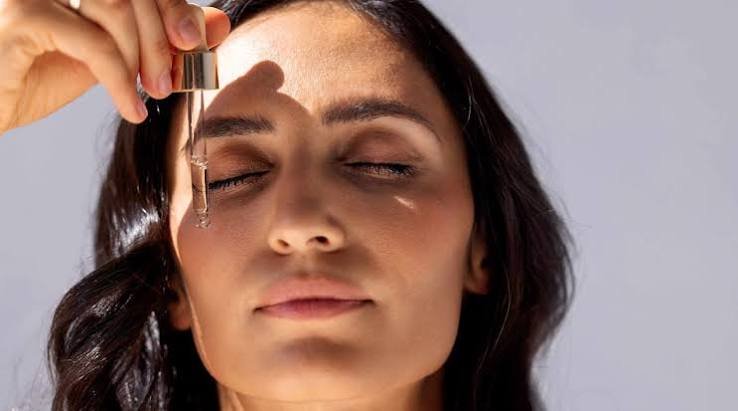
Peptides have become one of the most talked-about ingredients in modern skincare. You may have seen them in anti-aging creams, face serums, moisturizers, and even eye creams. Many skincare brands describe peptides as powerful ingredients that help reduce wrinkles, improve skin firmness, and support a healthy-looking complexion.
But what are peptides actually doing for your skin? Are they really effective, or are they just another skincare trend?
The good news is that peptides have an important role in skin health. They are small chains of amino acids that help support different functions in the skin. When used in skincare products, certain peptides may help improve the appearance of fine lines, support skin hydration, and make skin look smoother and firmer.
In this simple guide, we will explain what peptides are, how they work, their benefits, and how to include them in your daily skincare routine.
What Are Peptides in Skincare?
Peptides are short chains of amino acids, which are the building blocks of proteins. Your skin naturally contains important proteins such as collagen and elastin.
Collagen helps keep skin firm and strong, while elastin allows skin to stretch and return to its original shape. As we get older, the natural production of these proteins gradually decreases. This can contribute to wrinkles, fine lines, and loss of skin firmness.
Peptides used in skincare products are designed to support certain skin functions. Depending on their type and formulation, they may help improve the appearance of aging skin and support the skin’s natural repair processes.
In simple words, peptides are skincare ingredients that can help your skin look healthier, smoother, and more youthful.
How Do Peptides Actually Work on Your Skin?
Peptides work in different ways depending on their structure and type. Some act as signaling molecules, while others help support skin conditioning.
Here are some common ways peptides may benefit your skin.
1. They Support Collagen Production
Certain peptides, especially signal peptides, can encourage skin cells to support collagen production. Collagen is important for maintaining skin structure and firmness.
With regular use, suitable peptide products may help reduce the appearance of fine lines and improve the overall look of aging skin.
2. They Help Improve Skin Firmness
As collagen and elastin levels naturally decline with age, skin may begin to look loose or less firm.
Some peptides are designed to support the skin’s natural processes associated with firmness. They may help skin appear smoother and more toned over time.
3. They Support Skin Hydration
Some peptide-based skincare products contain additional moisturizing ingredients, such as hyaluronic acid, glycerin, and ceramides.
These ingredients help attract or retain moisture, making the skin feel softer and more comfortable.
However, hydration benefits often come from the complete product formula rather than peptides alone.
4. They May Improve the Appearance of Fine Lines
Certain peptides may help reduce the visible signs of aging by supporting collagen-related skin functions.
They are not instant wrinkle removers, but consistent use may contribute to smoother-looking skin over time.
5. They Support a Healthy-Looking Skin Barrier
Some peptide formulations are designed to support skin conditioning and barrier function.
A healthy skin barrier helps protect against moisture loss and external irritants. This can make skin look more comfortable and balanced.
Different Types of Peptides Used in Skincare
Not all peptides perform the same function. Different types are used for different skincare purposes.
Here are some popular peptide categories:
| Peptide Type | Main Purpose |
| Signal Peptides | Support collagen-related skin processes |
| Carrier Peptides | Deliver trace elements such as copper |
| Neurotransmitter-Inhibiting Peptides | May soften the appearance of expression lines |
| Enzyme-Inhibiting Peptides | Help regulate certain enzyme activities |
| Copper Peptides | Support skin conditioning and repair-related processes |
One popular example is Copper Tripeptide-1 (GHK-Cu). It is widely used in skincare products because of its potential role in supporting skin appearance and repair-related processes.
Another example is Palmitoyl Pentapeptide-4, which is commonly included in anti-aging skincare formulations.
Benefits of Peptides for Different Skin Types
Peptides can be suitable for many skin types, depending on the ingredients and formulation of the product.
For Dry Skin: Peptide serums combined with hyaluronic acid or ceramides can help support hydration and improve skin softness.
For Mature Skin: Peptides may help improve the appearance of fine lines, wrinkles, and reduced skin firmness.
For Sensitive Skin: Many peptide products are formulated without harsh exfoliating ingredients. However, people with sensitive skin should always check the full ingredient list.
For Oily Skin: Lightweight peptide serums can be a good option for people who want anti-aging skincare without using heavy creams.
For Combination Skin: Peptide moisturizers and serums may help maintain a balanced skincare routine.
How to Use Peptides in Your Daily Skincare Routine
Adding peptides to your skincare routine is generally simple. They are available in serums, moisturizers, eye creams, and other skincare products.
Here is an easy routine to follow.
Morning Routine:
- Clean your face with a gentle cleanser.
- Apply a peptide serum to clean, slightly damp or dry skin according to the product instructions.
- Use a moisturizer to maintain hydration.
- Finish with broad-spectrum SPF 30 or higher sunscreen.
Night Routine:
- Remove makeup, dirt, and sunscreen.
- Wash your face with a gentle cleanser.
- Apply your peptide serum.
- Follow with a nourishing moisturizer.
For the best results, use the product consistently and follow the manufacturer’s instructions. Introduce new products gradually, especially if you have sensitive skin.
Can You Use Peptides With Other Skincare Ingredients?
Yes, peptides can generally be combined with many popular skincare ingredients.
Here are some common combinations:
- Peptides and Hyaluronic Acid: Help support hydration and smoother-looking skin.
- Peptides and Niacinamide: Can complement each other in routines focused on skin barrier support and overall skin appearance.
- Peptides and Ceramides: Help support moisture retention and skin barrier function.
- Peptides and Vitamin C: Can be used in the same routine, depending on the product formulation and manufacturer’s instructions.
- Peptides and Retinol: These ingredients can complement an anti-aging routine, although retinol may cause irritation when first introduced.
If you are using multiple active ingredients, introduce them slowly and monitor how your skin responds.
Are Peptides Better Than Retinol?
Peptides and retinol have different functions, so one is not automatically better than the other.
Retinol is a vitamin A derivative with stronger clinical evidence for improving photoaging, fine lines, and skin texture. However, it can cause dryness, redness, and irritation, particularly when first used.
Peptides are generally considered a gentler skincare option, although their effectiveness depends on the specific peptide and formulation.
If your skin is sensitive or you want to focus on hydration and skin conditioning, peptides may be a useful addition. If your main goal is improving visible signs of sun damage and aging, retinol may offer more established benefits.
Both ingredients can have a place in a well-planned skincare routine.
How Long Does It Take for Peptides to Show Results?
Peptides do not produce overnight results. Skincare products need time and consistent use to show visible improvements.
Some people may notice better skin hydration and softness within a few weeks, particularly when the product contains moisturizing ingredients.
Improvements in the appearance of fine lines and skin firmness may take around 8–12 weeks or longer. Results vary depending on the peptide, product concentration, formulation, skin condition, and individual response.
Remember that sunscreen, healthy lifestyle habits, and a consistent skincare routine are also important for maintaining healthy-looking skin.
Are Peptides Safe for Everyday Use?
Most topical peptide skincare products are generally well tolerated when used according to their instructions.
However, some people may experience irritation or sensitivity due to other ingredients in the formula, such as fragrances or preservatives.
Before using a new peptide serum:
- Perform a patch test.
- Read the complete ingredient list.
- Follow the recommended application instructions.
- Stop using the product if significant irritation develops.
Peptide skincare products should not be confused with injectable or orally consumed peptides. These are different products with different safety considerations.
Final Thoughts
Peptides are more than just another skincare trend. They are useful skincare ingredients that may support collagen-related processes, improve skin conditioning, and help reduce the visible signs of aging.
Whether you are concerned about fine lines, dryness, or loss of firmness, a well-formulated peptide serum or moisturizer may be worth considering.
However, peptides are not miracle ingredients. They work best as part of a consistent skincare routine that includes gentle cleansing, proper hydration, and daily sunscreen.
The key is to choose products that suit your skin type, understand their ingredients, and give your skincare routine enough time to work.
