

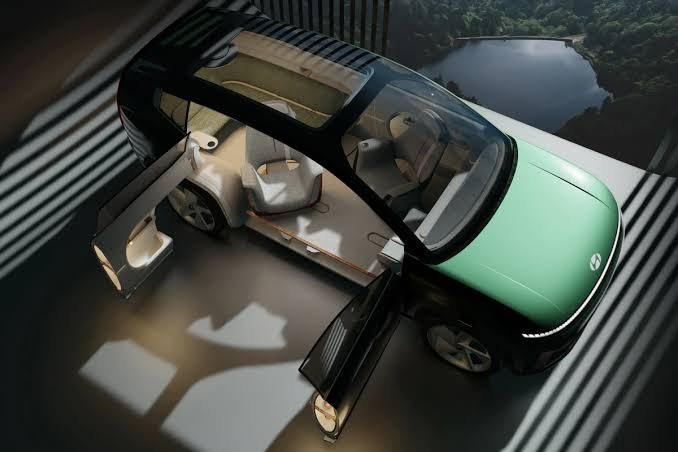
The luxury car industry is changing. Modern luxury vehicles are no longer designed only to provide fast performance, premium materials, and a comfortable driving experience. Today, many car manufacturers are creating vehicles that feel more like private living rooms on wheels.
From reclining seats and entertainment screens to advanced climate control and smart technology, luxury cars are becoming mobile spaces for relaxation, work, and travel. For wealthy customers, the car is not just a way to reach a destination. It is also a place to enjoy personal comfort and privacy.
But why are luxury car companies focusing so much on interior comfort? And what makes a luxury car feel like a living room? Let’s explore the growing trend.
What Is a Living Room on Wheels?
A “living room on wheels” is a phrase used to describe a vehicle with an interior designed for comfort, relaxation, and convenience. These cars often include spacious seating, premium upholstery, entertainment systems, and features that make passengers feel at home.
Traditional luxury cars focused heavily on the driver’s experience. New luxury vehicles are increasingly designed around the passengers, too. Rear-seat occupants may receive large screens, adjustable seats, folding tables, wireless charging, and personalized controls.
The goal is simple: make the journey as enjoyable as the destination.
1. Comfortable Seats Are Becoming a Major Luxury Feature
One of the most important reasons luxury cars feel like living rooms is the improvement in seat design.
Modern premium vehicles can offer features such as:
- Reclining rear seats
- Leg rests and footrests
- Massage functions
- Heating and ventilation
- Adjustable headrests
- Soft leather or premium fabric
- Memory settings for individual passengers
These features can make long journeys more relaxing. Instead of sitting upright in a basic seat, passengers can adjust their position and enjoy a more comfortable ride.
Luxury brands are increasingly treating rear-seat comfort as a central part of the vehicle experience, particularly in executive sedans, premium SUVs, and chauffeur-driven vehicles.
2. Technology Is Turning the Car Into a Private Entertainment Space
Another important change is the use of technology inside luxury vehicles.
Large displays, high-quality sound systems, wireless connectivity, and smart controls are becoming important elements of premium interiors. Some vehicles offer separate entertainment options for rear passengers, allowing them to watch content, manage music, or access other digital services.
Voice assistants and connected features can also help passengers control aspects of the cabin without manually adjusting every setting.
However, available technology differs from one model to another. Some features may require additional packages, subscriptions, or compatible devices.
The modern luxury car is increasingly designed to provide a digital experience similar to a high-end home entertainment space.
3. Privacy Is Becoming More Important
Privacy is another reason luxury cars are being compared to living rooms.
Business executives, celebrities, and other customers who value personal space may prefer vehicles with features such as privacy glass, separated rear cabins, and adjustable lighting.
Some high-end vehicles are designed to reduce distractions and create a quieter environment. This can help passengers read, work, rest, or have private conversations while traveling.
Privacy features do not make a vehicle completely soundproof or guarantee total confidentiality. Their effectiveness depends on the vehicle’s design and the conditions of use.
Still, the focus on privacy shows how luxury car design is moving beyond transportation.
4. Premium Materials Create a Home-Like Atmosphere
A living room feels comfortable because of its atmosphere. Luxury car manufacturers are applying similar design ideas inside their vehicles.
Premium interiors may include wood trim, soft-touch surfaces, high-quality upholstery, ambient lighting, and carefully selected decorative details.
Designers often use a combination of textures and lighting to create a relaxing environment. Some vehicles feature customizable ambient lighting that allows passengers to choose different cabin moods.
The choice of materials also influences how spacious and comfortable a car feels. Large seats, an uncluttered dashboard, and thoughtful storage can make the interior more welcoming.
This does not mean every expensive car has the same level of comfort. Interior quality depends on the model, configuration, and personal preferences.
5. Electric Vehicles Are Changing Interior Design
Electric vehicles are also contributing to the development of new luxury interiors.
Because electric powertrains can provide different packaging opportunities compared with traditional engines and transmissions, designers may have more flexibility in arranging certain cabin components. The result can include open-feeling interiors and new approaches to seating and storage.
However, not every electric vehicle has more interior space than a petrol or diesel car. Actual room depends on the vehicle’s size, battery placement, platform, and design.
Luxury electric vehicles are also introducing new digital controls, quiet driving experiences, and advanced passenger features. These developments support the broader idea of a car as a comfortable personal space.
6. Luxury Cars Are Designed for More Than Driving
The meaning of luxury is changing.
In the past, customers often associated luxury cars with powerful engines, premium badges, and impressive exterior designs. Those elements remain important, but many buyers also care about comfort, technology, convenience, and personalization.
A luxury car can now serve different purposes:
- A comfortable space for long-distance travel
- A mobile workspace for business passengers
- A relaxing environment between meetings
- A private space for conversation
- An entertainment area during journeys
This shift is particularly relevant to people who spend a significant amount of time traveling.
The experience of sitting in the car has become almost as important as the driving experience itself.
7. Will Every Luxury Car Become a Living Room?
Not necessarily.
Different customers have different expectations. Some prefer a quiet, comfortable rear cabin, while others want an engaging driving experience. Sports car buyers may prioritize handling and performance over large reclining seats or entertainment systems.
Cost is another consideration. Advanced seating, premium materials, screens, and connected technology can increase a vehicle’s price and maintenance requirements.
Manufacturers must also balance comfort with safety, efficiency, usability, and the needs of different markets.
The future of luxury cars will probably include a variety of designs rather than one single interior concept.
Conclusion: The Future of Luxury Is About the Journey
The new luxury car is becoming a living room on wheels because customers increasingly want comfort, privacy, entertainment, and personalization during travel.
Reclining seats, premium materials, digital technology, and spacious cabins are helping manufacturers create a more relaxing passenger experience. Electric vehicles and changing consumer preferences are also influencing the way premium interiors are designed.
A luxury car is no longer defined only by its engine or exterior appearance. For many buyers, the quality of the interior and the experience of the journey are just as important.
The future of luxury mobility is not simply about reaching a destination. It is about making the journey more comfortable, connected, and personal.
