

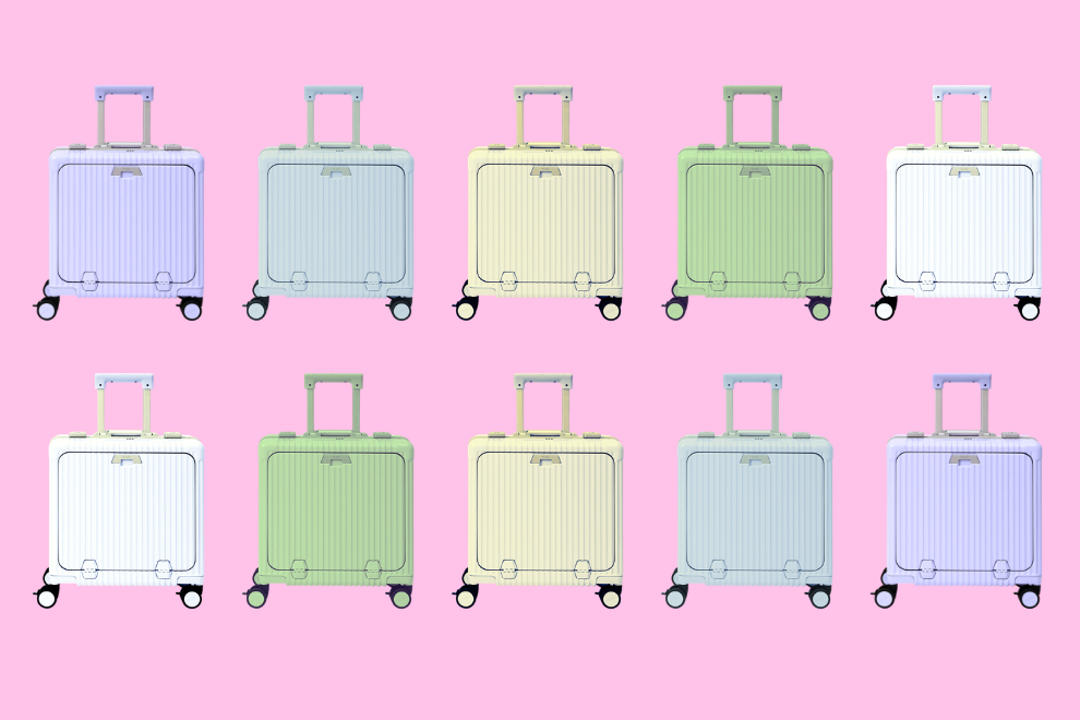
Packing for a flight can feel confusing, especially when you have both a personal item and a carry-on bag. Many travelers know they can bring both, but they are not always sure what should go where.
The simple rule is this: keep the things you may need during the flight in your personal item, and pack everything else in your carry-on bag.
Your personal item usually stays under the seat in front of you, while your carry-on bag normally goes in the overhead bin. That difference can help you decide exactly where each item belongs.
Here is a simple breakdown to make your next trip easier.
Quick Answer: What Is the Difference?
A personal item is usually a smaller bag, such as a backpack, purse, laptop bag, or tote bag. It should fit underneath the seat in front of you.
A carry-on bag is larger and usually goes in the overhead compartment. It is better for clothes, shoes, toiletries, and other items you do not need immediately.
Before traveling, always check your airline’s current size and weight rules because they can vary.
What Should Go in Your Personal Item?
Think of your personal item as your in-flight essentials bag. If you would be annoyed without something during the flight, it probably belongs here.
1. Passport, ID and Travel Documents
Your passport, government ID, boarding pass, visa documents, hotel details, and other important travel papers should always be easy to reach.
Do not bury these items deep inside your carry-on. Airport security and airline staff may ask for them, so keeping them in your personal item saves time.
2. Wallet and Valuable Items
Your wallet, cash, credit cards, keys, and other small valuables should stay with you.
You can also keep expensive items such as jewelry in your personal item. Since this bag remains close to you during most of the flight, it is a better place for valuable belongings.
3. Phone, Laptop and Other Electronics
Your phone, laptop, tablet, camera, headphones, chargers, and power bank are usually best kept in your personal item.
There is another practical reason for this: if your carry-on has to be checked at the gate because of limited overhead space, your most important electronics will still stay with you.
Keep cables organized in a small pouch so they are easy to find.
4. Medication and Health Essentials
Important medication should always travel with you in your personal item. You do not want to be separated from something you may need during the journey.
You can also pack items such as:
- Prescription medication
- Basic pain relief medicine
- Glasses or contact lens supplies
- Hand sanitizer
- Face masks
- Tissues
If you rely on an item for your health or comfort, keep it close.
5. In-Flight Entertainment
A long flight can feel much easier when you have something to do.
Your personal item is a good place for:
- Headphones
- E-reader
- Book
- Tablet
- Downloaded movies or shows
- Notebook
The goal is simple: you should be able to access these items without opening the overhead bin.
6. One Change of Essential Clothing
It can be useful to pack a small emergency outfit in your personal item, especially on long trips.
Consider including:
- One T-shirt
- Underwear
- Socks
This is particularly helpful if your checked luggage is delayed. You do not need a complete wardrobe in your personal item, but a few basics can make a big difference.
What Should Go in Your Carry-On Bag?
Your carry-on bag is best for the things you need on your trip but do not need every few minutes during the flight.
Think of it as your main cabin suitcase.
1. Clothes
Most of your clothing should go in your carry-on.
Depending on the length of your trip, you may pack:
- Shirts
- Pants
- Dresses
- Jackets
- Sleepwear
- Underwear
- Extra socks
Rolling clothes or using packing cubes can help save space and keep everything organized.
2. Shoes
Shoes usually take up more space, so your carry-on is the better option.
Try to pack only the pairs you really need. Wearing your largest shoes during travel can also free up room inside your bag.
3. Toiletries
Your carry-on can hold your travel toiletries, but remember that airport security may have restrictions for liquids, gels, and aerosols.
A clear toiletry bag can make security screening easier.
Pack items such as:
- Toothbrush and toothpaste
- Skincare products
- Makeup
- Shampoo and conditioner
- Deodorant
- Hair products
Check current airport and airline security rules before packing liquids.
4. Extra Accessories
Your carry-on is also a good place for accessories you will need after arriving, including:
- Hats
- Scarves
- Belts
- Extra bags
- Sunglasses cases
- Travel organizers
These items are useful but usually do not need to be within immediate reach during the flight.
5. Travel Equipment
Depending on your trip, your carry-on can hold items such as a travel pillow, compact umbrella, small tripod, or other approved travel gear.
However, if you know you will use something during the flight, move it to your personal item before boarding.
The Best Packing Strategy
The easiest way to pack is to ask yourself one question:
“Will I need this before I reach my destination?”
If the answer is yes, put it in your personal item.
If the answer is no, it can probably go in your carry-on.
Personal Item Checklist
Keep your most important and frequently used items here:
- Passport and ID
- Wallet
- Phone
- Laptop or tablet
- Chargers
- Power bank
- Medication
- Headphones
- Travel documents
- Valuables
- Book or entertainment
- Small emergency clothing kit
Carry-On Checklist
Use this bag for your larger travel essentials:
- Main clothing
- Shoes
- Toiletries
- Extra accessories
- Beauty products
- Travel organizers
- Items needed after arrival
One Important Tip: Prepare for Gate-Checking
Sometimes flights run out of overhead bin space. When that happens, airline staff may ask passengers to gate-check their carry-on bags.
This is why you should never keep your passport, medication, wallet, or other essential valuables only in your carry-on.
A well-packed personal item acts as your backup essentials bag. Even if your larger bag is taken away temporarily, you still have the things you need.
Final Thoughts
There is no need to overcomplicate the personal item vs. carry-on question.
Keep documents, electronics, medication, valuables, and in-flight entertainment in your personal item. Put most of your clothes, shoes, toiletries, and extra accessories in your carry-on.
Once you follow this simple system, packing becomes faster, more organized, and much less stressful. Just remember to check your airline’s latest baggage rules before leaving for the airport, as size, weight, and item restrictions can differ.
