

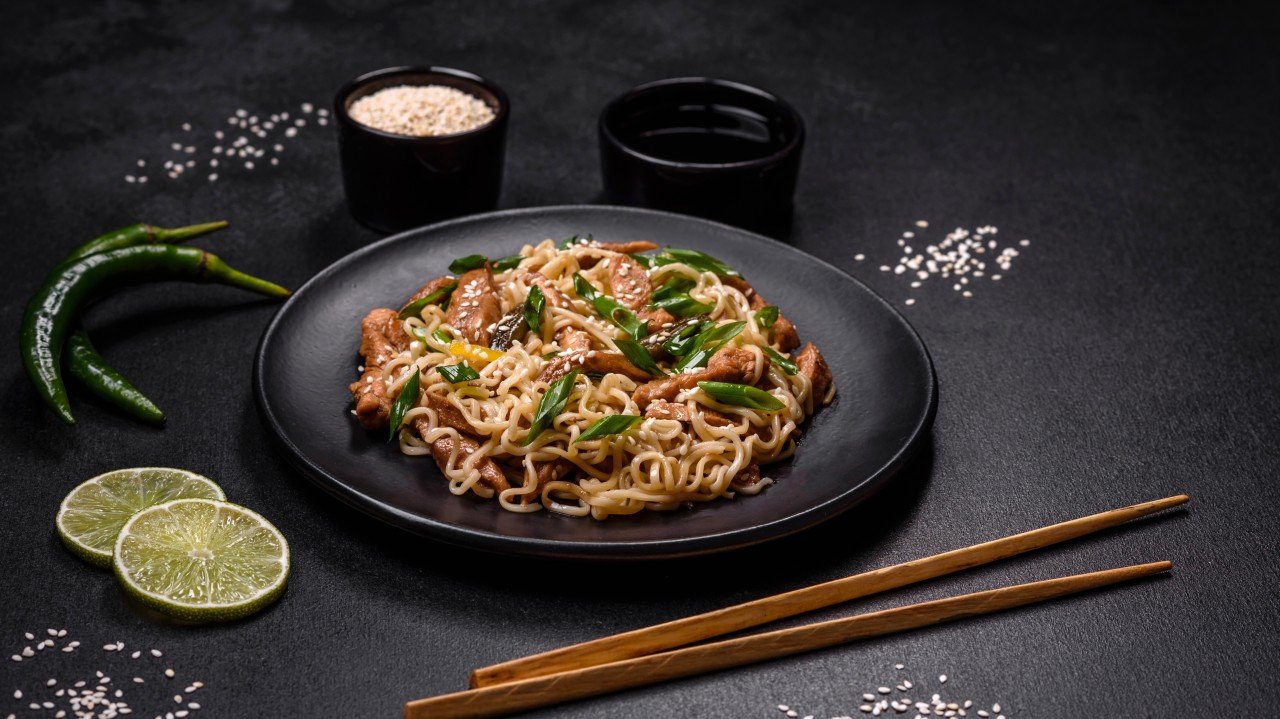
Food trends are changing as people explore new flavors, cooking styles, and cultures. One of the most interesting trends is the rise of Japanese-Italian and Japanese-Mediterranean cuisine. These food styles combine the freshness and simplicity of Japanese cooking with the rich flavors, ingredients, and traditions of Italian and Mediterranean food.
From sushi-inspired pasta to miso-seasoned seafood and olive oil-based dishes, chefs are finding creative ways to bring these culinary traditions together. This fusion is becoming popular in restaurants because it offers something different while keeping the food balanced, fresh, and enjoyable.
But what makes Japanese-Italian and Japanese-Mediterranean cuisine so special? The answer lies in their shared focus on quality ingredients, careful preparation, seasonal produce, and natural flavors.
What Is Japanese-Italian Cuisine?
Japanese-Italian cuisine combines traditional Japanese ingredients and techniques with classic Italian recipes. It brings together two food cultures that value simplicity, freshness, and attention to detail.
For example, a chef might prepare pasta with miso butter, add Japanese seaweed to an Italian seafood dish, or serve risotto with Japanese mushrooms. These combinations create new flavors without losing the identity of either cuisine.
Some popular ingredients used in Japanese-Italian cooking include:
- Miso: A fermented soybean paste that adds a deep, savory flavor.
- Soy sauce: Used to season pasta, seafood, and meat dishes.
- Japanese mushrooms: Ingredients such as shiitake mushrooms bring an earthy taste to risotto and sauces.
- Seaweed: Adds a salty, ocean-inspired flavor to pasta and seafood.
- Yuzu: A Japanese citrus fruit that can brighten dressings, sauces, and seafood dishes.
Japanese-Italian cuisine is not entirely new. Chefs in Japan have been adapting Italian dishes to local tastes for decades. Today, this style is attracting wider international attention as diners become more interested in creative, cross-cultural food experiences.
What Is Japanese-Mediterranean Cuisine?
Japanese-Mediterranean cuisine combines Japanese cooking traditions with ingredients and dishes associated with Mediterranean regions, including Greece, southern France, Spain, and Italy.
Both culinary traditions often highlight vegetables, seafood, seasonal ingredients, and simple cooking methods. Their shared values make them a natural match.
A Japanese-Mediterranean menu might feature grilled fish with olive oil and citrus, roasted vegetables with miso dressing, or a salad combining Japanese greens with Mediterranean herbs.
Common ingredients include:
- Extra virgin olive oil
- Fresh fish and seafood
- Seasonal vegetables
- Citrus fruits such as lemon and yuzu
- Sesame seeds and soy-based dressings
- Herbs such as basil, oregano, and parsley
The result is food that can feel familiar yet exciting. Instead of covering every ingredient with heavy sauces, chefs often allow the natural flavors to stand out.
Why Is This Fusion Cuisine Becoming Popular?
1. People Want New Food Experiences
Modern diners increasingly look for meals that offer more than traditional recipes. They want interesting flavors, attractive presentation, and stories behind the food.
Japanese-Italian and Japanese-Mediterranean cuisine meet these expectations by combining recognizable dishes with unexpected ingredients.
A familiar plate of pasta becomes more interesting with miso, while grilled Mediterranean seafood gains a new dimension with yuzu or Japanese seasoning.
2. Fresh Ingredients Are a Major Attraction
Japanese and Mediterranean cooking both place importance on ingredient quality. Fresh seafood, seasonal vegetables, mushrooms, citrus fruits, and herbs can create flavorful dishes without requiring complicated preparation.
This approach appeals to diners who prefer lighter meals and want to understand what they are eating.
However, a dish’s nutritional value depends on its ingredients, portion size, and cooking method. Fusion cuisine is not automatically healthier simply because it combines these traditions.
3. Chefs Have More Creative Freedom
Fusion cooking gives chefs an opportunity to experiment with flavor, texture, and presentation.
For instance, a chef can combine the creamy texture of Italian risotto with Japanese dashi stock. Another might serve grilled Mediterranean vegetables with a dressing made from miso, rice vinegar, and sesame oil.
The best dishes maintain balance. Japanese ingredients should complement the Italian or Mediterranean elements rather than overpower them.
4. Social Media Helps Discover New Food Trends
Food photography and short-form videos have made creative restaurant dishes easier to discover. Colorful seafood plates, unusual pasta combinations, and carefully presented tasting menus often attract attention online.
Social media can introduce diners to unfamiliar cuisines and encourage them to visit restaurants offering distinctive menus.
Still, online popularity does not always indicate long-term demand. Consistent quality, fair pricing, and good service remain important for a restaurant’s success.
Popular Japanese-Italian and Japanese-Mediterranean Dishes
Here are some examples that demonstrate how these cuisines can work together.
Miso Butter Pasta: Italian pasta is combined with Japanese miso and butter to create a savory, rich sauce.
Seafood Pasta with Yuzu: Fresh seafood and pasta are brightened with the citrus flavor of yuzu.
Miso-Glazed Grilled Fish: Fish is coated with a miso-based glaze and served with vegetables or Mediterranean-style sides.
Olive Oil and Soy Dressing: Olive oil, soy sauce, citrus juice, and vinegar create a dressing suitable for salads and grilled vegetables.
Dashi Risotto: Italian risotto is prepared using Japanese dashi stock, which adds depth and umami.
Mediterranean Vegetables with Sesame Dressing: Roasted vegetables are served with a Japanese-inspired dressing for a combination of earthy, nutty, and fresh flavors.
These examples show that fusion cooking can work across appetizers, main courses, seafood, vegetarian dishes, and even some desserts.
The Role of Umami in Fusion Cuisine
Umami is often described as a savory taste. It is one of the key reasons Japanese and Italian ingredients work well together.
Japanese foods such as miso, soy sauce, and dashi can provide umami. Italian ingredients such as Parmesan cheese, ripe tomatoes, and mushrooms also contribute savory depth.
When used carefully, these ingredients can create a more complex flavor without making a dish unnecessarily heavy.
The challenge is maintaining balance. Too much soy sauce, miso, or cheese can make a dish overly salty. Skilled chefs adjust seasoning so that every ingredient has a clear purpose.
Is Japanese Fusion Cuisine the Future of Fine Dining?
Japanese-Italian and Japanese-Mediterranean cuisine offer restaurants a way to develop distinctive menus while respecting established culinary traditions.
This approach can work in fine dining restaurants, casual eateries, hotel restaurants, and modern cafes. It can also appeal to travelers who enjoy discovering how local chefs reinterpret international food.
However, fusion cuisine works best when it is based on culinary understanding rather than novelty alone. Chefs need to understand the ingredients, cooking methods, and cultural background of the cuisines they combine.
Restaurants that focus on thoughtful combinations, seasonal produce, and consistent execution may be better positioned to build a loyal customer base than those that follow trends without a clear concept.
Conclusion
The rise of Japanese-Italian and Japanese-Mediterranean cuisine reflects a wider interest in food that combines tradition with creativity. Japanese techniques and ingredients bring precision, umami, and subtle flavors, while Italian and Mediterranean cooking contribute familiar dishes, olive oil, herbs, vegetables, and seafood.
Together, these culinary styles create exciting possibilities for chefs and diners. Whether it is miso butter pasta, dashi risotto, or grilled fish with citrus and olive oil, the goal is to create balanced food that respects its ingredients.
As global food culture continues to evolve, Japanese fusion cuisine may become an increasingly visible part of restaurant menus. Its long-term appeal will depend on the quality of the cooking, the creativity of chefs, and the ability to create dishes that taste as good as they sound.
