

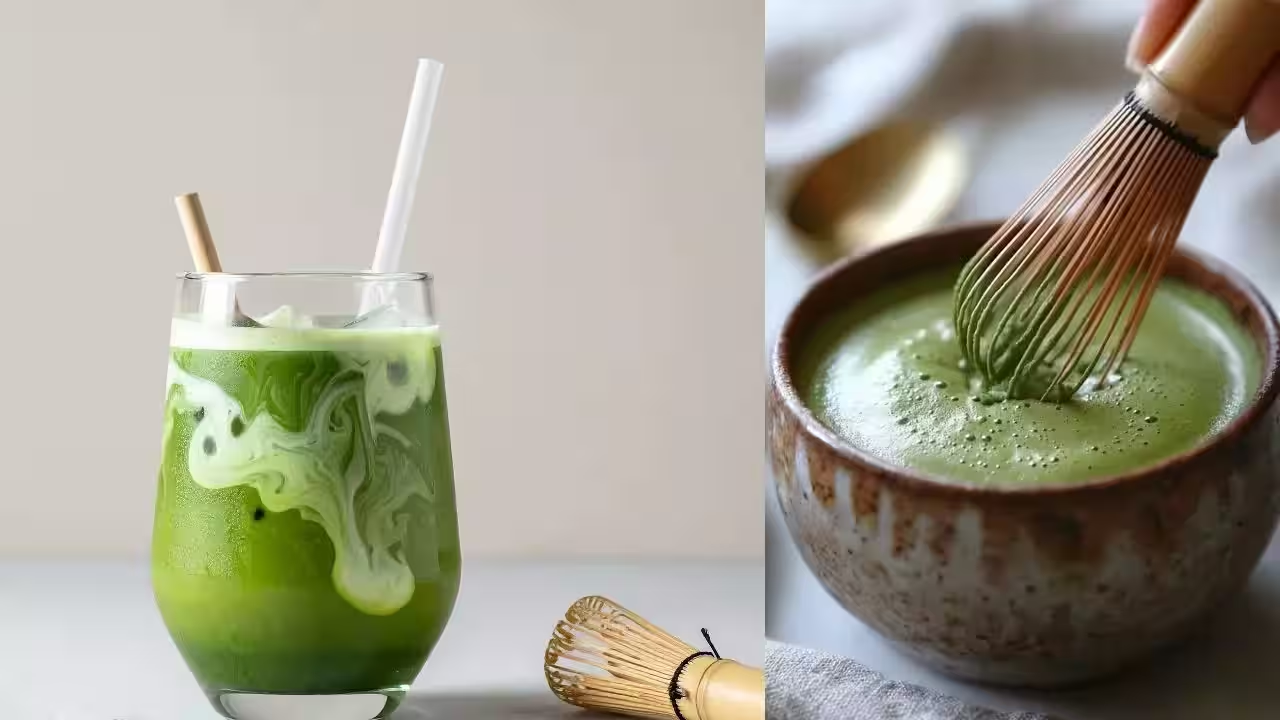
Matcha was once known mainly as a traditional Japanese tea, but today it has become much more than a drink. From cafés and wellness routines to skincare, desserts, social media, and fashion, matcha has become part of modern lifestyle culture.
So, why has matcha become a lifestyle rather than just a beverage?
The answer lies in its unique combination of taste, tradition, wellness appeal, visual identity, and everyday rituals. Matcha offers an experience that goes beyond simply drinking tea.
What Is Matcha?
Matcha is a finely ground powder made from specially grown and processed green tea leaves. Unlike regular green tea, where the leaves are steeped and removed, matcha is whisked into water or milk and consumed as part of the drink.
Traditional matcha has deep roots in Japan and is strongly connected with the Japanese tea ceremony. Today, however, matcha is enjoyed in many different forms, including matcha lattes, iced matcha, smoothies, desserts, and even savory recipes.
Its bright green color and distinctive flavor have also helped it become highly recognizable.
Why Has Matcha Become So Popular?
One major reason for matcha’s popularity is the growing interest in healthier and more mindful lifestyles.
Many people are looking for alternatives to sugary drinks and traditional high-caffeine beverages. Matcha has become attractive because it contains naturally occurring caffeine and compounds such as L-theanine.
However, matcha should not be viewed as a miracle health product. Its benefits depend on the overall diet and lifestyle of the person consuming it.
Another reason is convenience. Matcha can easily be prepared at home, while cafés have turned it into a premium and visually appealing drink.
Matcha Is Part of a Daily Ritual
Matcha has become popular because it fits naturally into daily routines.
For some people, making matcha in the morning is a peaceful way to begin the day. Others enjoy an iced matcha during work or a matcha latte while studying.
The preparation itself can become a small ritual.
Whisking the powder, watching it foam, choosing a favorite cup, and slowly drinking the finished beverage can create a sense of calm in a busy day.
This idea of turning an ordinary drink into a meaningful routine is an important part of modern wellness culture.
The Influence of Social Media
Social media has played a major role in turning matcha into a lifestyle trend.
Its natural green color looks attractive in photographs and videos. Matcha drinks often appear in lifestyle posts featuring cafés, morning routines, fitness, travel, fashion, and wellness.
This has helped create a recognizable “matcha aesthetic.”
People are not only sharing what matcha tastes like. They are sharing the experience around it.
A matcha latte on a café table can represent a slow morning. An iced matcha can become part of a workday routine. Homemade matcha can represent healthy living or mindful self-care.
In this way, matcha has become connected with an entire lifestyle image.
Matcha and Wellness Culture
The modern wellness movement has also contributed to matcha’s popularity.
Matcha contains antioxidants, including catechins, which are naturally found in green tea. It also provides caffeine, making it an alternative to coffee for people who enjoy tea-based energy.
Some people prefer matcha because they find its caffeine experience different from coffee. The presence of L-theanine in green tea is often discussed in connection with a calmer feeling of alertness.
Still, individual responses vary, and matcha is not suitable for everyone in unlimited amounts.
The important point is that matcha fits the broader movement toward mindful consumption and wellness-focused routines.
Matcha Has Become a Café Culture
Matcha is no longer limited to traditional tea houses.
Modern cafés around the world now offer matcha in different forms. Popular options include:
- Iced matcha latte
- Hot matcha latte
- Strawberry matcha
- Coconut matcha
- Vanilla matcha
- Matcha smoothies
- Matcha cold foam
- Matcha desserts
These creative combinations have made matcha accessible to people who may not enjoy traditional green tea.
The café experience has also turned matcha into a social activity. People meet friends for matcha, work from cafés with a matcha latte, or discover new matcha drinks while traveling.
Matcha Has Entered Food and Fashion
The influence of matcha goes beyond beverages.
Matcha flavor is now common in cakes, cookies, chocolates, ice cream, pastries, and other desserts. Its green color has also become popular in food photography and restaurant presentation.
The visual identity of matcha has even influenced lifestyle branding, packaging, home décor, fashion, and beauty content.
This shows how a traditional ingredient can become a cultural symbol when it connects with modern consumer interests.
Why Do People Choose Matcha Over Coffee?
There is no single answer because personal preference matters.
Some people enjoy matcha because of its earthy and slightly bitter flavor. Others like its green color and café presentation. Some choose it because they want a tea-based source of caffeine.
Coffee remains extremely popular, but matcha offers a different experience.
Coffee culture often emphasizes speed and energy, while matcha culture is frequently associated with slower preparation, wellness, creativity, and mindfulness.
Of course, this is a cultural perception rather than a strict rule. People can enjoy both coffee and matcha depending on the occasion.
Matcha Represents a Modern Connection to Tradition
Perhaps the most interesting part of the matcha trend is the way it combines tradition with modern life.
Matcha has centuries of history in Japan, yet it has successfully entered contemporary cafés, kitchens, workplaces, and social media.
The traditional tea ceremony emphasizes attention, preparation, and presence. Modern matcha culture often carries a similar idea in a simpler form: taking a moment to prepare and enjoy something intentionally.
This combination makes matcha appealing to people who want both cultural authenticity and modern convenience.
Is Matcha Just a Trend?
Matcha has certainly benefited from social media trends, but its popularity appears to have developed beyond a temporary craze.
Its flexibility is one reason. Matcha can be traditional or modern, hot or cold, simple or creative. It can be consumed at home, in cafés, during work, or as part of a wellness routine.
That flexibility gives matcha a place in many different lifestyles.
The future of matcha may therefore be less about replacing other beverages and more about becoming another important part of global food and lifestyle culture.
Final Thoughts
Matcha has become a lifestyle because it offers more than flavor. It combines tradition, ritual, wellness culture, visual appeal, creativity, and social connection.
From Japanese tea traditions to modern café menus, matcha has successfully adapted to changing consumer habits without losing its distinctive identity.
For many people, drinking matcha is no longer simply about having tea. It is about creating a moment, following a routine, exploring new flavors, and enjoying an experience.
That is why matcha has evolved from a traditional beverage into a global lifestyle phenomenon.
