

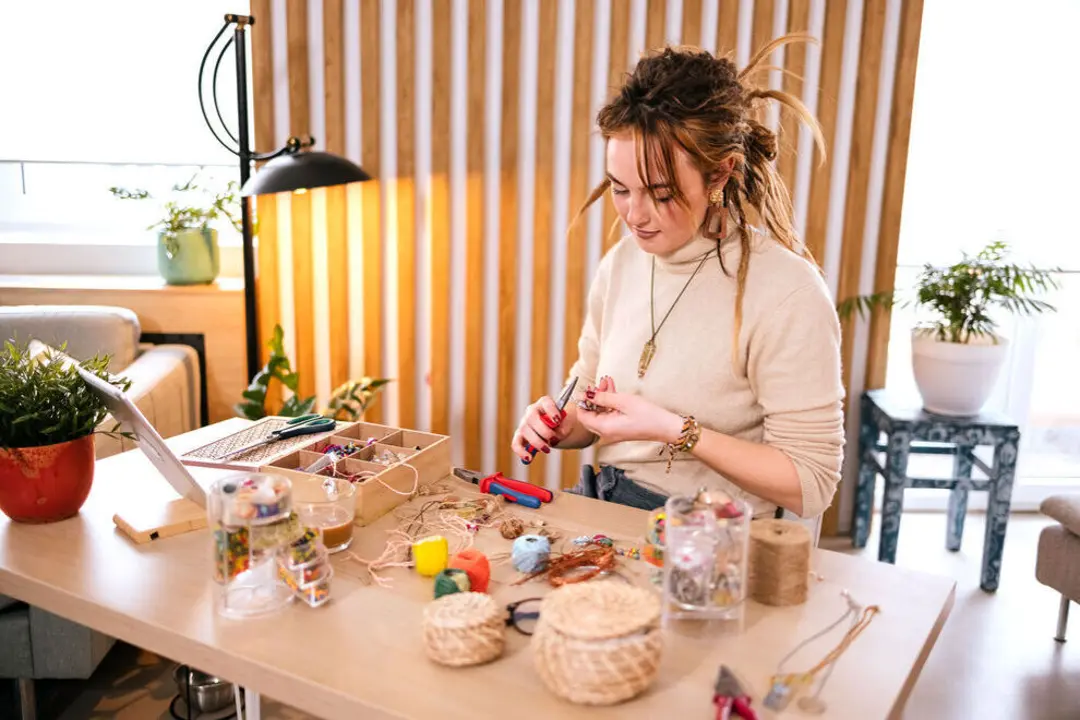
Crafting is more than a hobby. For many people, it is a simple way to relax, learn a new skill, spend time with family, and turn an idea into something real. From handmade jewelry and pottery to painting, embroidery, paper crafts, and DIY home décor, there are many ways to get creative.
Today, craft lovers can choose from local craft fairs, online retailers, creative workshops, and ready-to-use craft kits. Some people enjoy finding unique handmade products at fairs, while others prefer buying a kit that includes almost everything needed for a project.
In 2026, the craft world continues to grow with more options for beginners, families, hobbyists, and experienced makers. Recent craft coverage also shows strong interest in hands-on activities, group projects, workshops, and seasonal DIY kits.
What Makes a Great Craft Fair?
A good craft fair should feel like more than a shopping event. It should give visitors an opportunity to discover talented makers, learn about different crafts, and find products that are difficult to get elsewhere.
The best craft fairs usually have a mix of handmade products, including:
- Jewelry
- Pottery
- Paintings
- Home décor
- Textiles
- Wood crafts
- Handmade gifts
- Seasonal decorations
- Art supplies
Workshops can make a craft fair even more interesting. Visitors may be able to learn embroidery, basket weaving, painting, or another creative skill directly from an experienced maker. Large craft events can also include food, music, demonstrations, and activities for children.
For example, the 2026 Country Living Fair in Rhinebeck, New York, is scheduled to feature more than 250 vendor booths, handmade goods, workshops, talks, music, and family activities.
How to Choose the Best Craft Kit
Craft kits are a convenient choice for people who want to create something without buying every material separately.
A good craft kit should include:
- Clear instructions – Beginners should be able to understand the steps easily.
- Quality materials – Paint, paper, fabric, clay, beads, or other supplies should be suitable for the project.
- The right difficulty level – A beginner kit should not require advanced skills.
- Enough supplies – The package should contain enough material to complete the advertised project.
- A creative result – The finished project should feel useful, attractive, or enjoyable.
Modern craft kits are available for both children and adults. Some focus on painting and drawing, while others teach paper crafts, clay work, embroidery, printing, jewelry making, or home décor.
Current craft-kit options also show how the market is expanding beyond traditional children’s activities. Some brands now organize kits by mood, occasion, skill level, project type, and time required.
Why Craft Retailers Matter
Craft retailers are important because they give creators access to individual supplies instead of complete kits.
A beginner may need only basic materials such as:
- Brushes
- Acrylic paints
- Glue
- Scissors
- Canvas
- Beads
- Threads
- Paper
- Clay
- Craft tools
Experienced makers may need specialized materials for resin art, embroidery, jewelry making, sewing, scrapbooking, or woodworking.
A strong retailer should offer a good selection, clear product information, reasonable prices, and reliable customer service. Online stores can also make it easier to compare different products before buying.
For example, Indian craft retailers and DIY platforms currently offer everything from basic art supplies to complete project kits. Some platforms also provide workshops, tutorials, and beginner-friendly projects.
Craft Fairs vs. Craft Kits vs. Retailers
Which option is best depends on what you want to do.
| Option | Best For | Main Benefit |
| Craft fairs | Discovering handmade products | Meet makers and explore unique items |
| Craft kits | Beginners and casual hobbyists | Materials and instructions are together |
| Craft retailers | Experienced creators | More choice and flexibility |
| Workshops | People who want to learn | Guidance from skilled instructors |
| Online craft stores | Convenient shopping | Easy product comparison |
If you enjoy discovering handmade products, a craft fair may be the best choice. If you want a simple weekend project, a kit can be easier. If you already know your craft, a retailer may give you more freedom to choose individual supplies.
What Should You Look for When Voting?
If you are voting for the best craft fair, craft kit, or retailer, consider more than popularity.
Look at quality, creativity, value, variety, accessibility, and customer experience.
For a craft fair, ask:
- Are the products genuinely handmade?
- Is there a good variety of makers?
- Are workshops available?
- Is the event welcoming to families?
- Does it provide a good experience for visitors?
For a craft kit, consider:
- Are the instructions easy to follow?
- Are the materials good quality?
- Is it suitable for the stated age or skill level?
- Does it offer good value?
- Is the finished project enjoyable?
For a retailer, consider:
- How large is the product selection?
- Are product descriptions clear?
- Are prices competitive?
- Is delivery reliable?
- Does the retailer support beginners?
Why People Love Crafting
Crafting offers something that many digital activities cannot: the satisfaction of making something with your own hands.
It can also be a social activity. Friends can work on projects together, parents can craft with children, and teams can use creative activities for group events.
The popularity of group craft projects is also becoming more visible. Recent retail trends show growing interest in group kits and shared crafting experiences.
For children, crafts can encourage creativity and hands-on learning. For adults, crafting can become a relaxing hobby or a way to explore a new skill.
The Future of Crafting
The future of crafting is likely to combine traditional skills with modern convenience.
People can now learn from online tutorials, order supplies online, attend local workshops, and buy complete DIY kits. At the same time, craft fairs continue to give handmade creators an important place to meet customers in person.
There is also growing interest in meaningful, screen-free activities. DIY kits, handmade products, and creative workshops can all provide opportunities to slow down and make something personal.
Whether you are an experienced artist or someone holding a paintbrush for the first time, there is a craft activity for almost everyone.
