

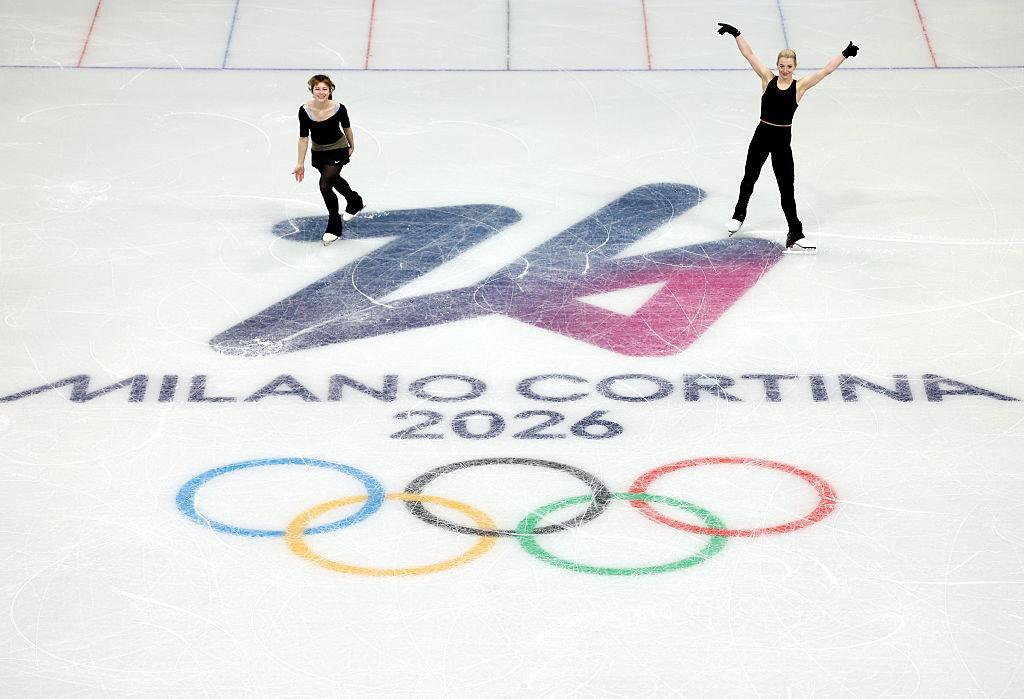
As the Olympic flame prepares to ignite in northern Italy, the world’s most elite winter athletes are shifting from preparation to performance. The Milano–Cortina 2026 Winter Olympics, opening February 6, bring together competitors across 16 disciplines—from alpine skiing and ice dance to the debut of ski mountaineering.
In the days leading up to the Games, five athletes representing the United States and Canada shared what’s anchoring them mentally, emotionally, and competitively as they arrive at the sport’s biggest stage.
Lindsey Vonn: Turning Setbacks Into Strategy

Few athletes understand Olympic pressure like Lindsey Vonn. The alpine skiing icon enters her fifth Games with four overall World Cup titles and three Olympic medals already secured—yet her Milano–Cortina journey nearly derailed just days before opening ceremony after a downhill crash injured her left knee.
Still, Vonn’s mindset remains unshaken. For her, resilience is no longer theoretical—it’s practiced.
“This comeback reinforced that belief plus preparation can rewrite limitations,” she explains. “With the right medical team and support system, ‘impossible’ becomes actionable.”
At 41, Vonn isn’t chasing validation—she’s executing a plan built on experience, discipline, and trust.
Mikaela Shiffrin: Calm Over Chao

Regarded by many as the greatest alpine skier in history, Mikaela Shiffrin arrives at her fourth Olympics with more World Cup victories than any skier before her. Yet her focus has evolved beyond medals.
Shiffrin describes her current mindset as grounded—rooted in routine, trust, and presence rather than outcomes.
“I’m more interested in how I arrive at the start than what happens at the finish,” she says. “When I feel supported and prepared, I race freely.”
Italy’s storied slopes add emotional resonance, but it’s the quieter moments—shared meals, familiar rituals—that Shiffrin says define the Olympic experience long after results fade.
Cassie Sharpe: Competing With Purpose

Cassie Sharpe knows exactly what Olympic gold feels like—and silver too. The Canadian freestyle skier, gold medalist in Pyeongchang 2018 and silver medalist in Beijing 2022, enters her third Games with a deeper sense of meaning.
Now balancing elite competition with motherhood, Sharpe sees Milano–Cortina as both a personal and national honor.
“Representing Canada at this stage, as an athlete and a mother, means everything,” she says. “I’m proud of what our country stands for—and who we are.”
Anna Gibson: A First Olympic Ascent
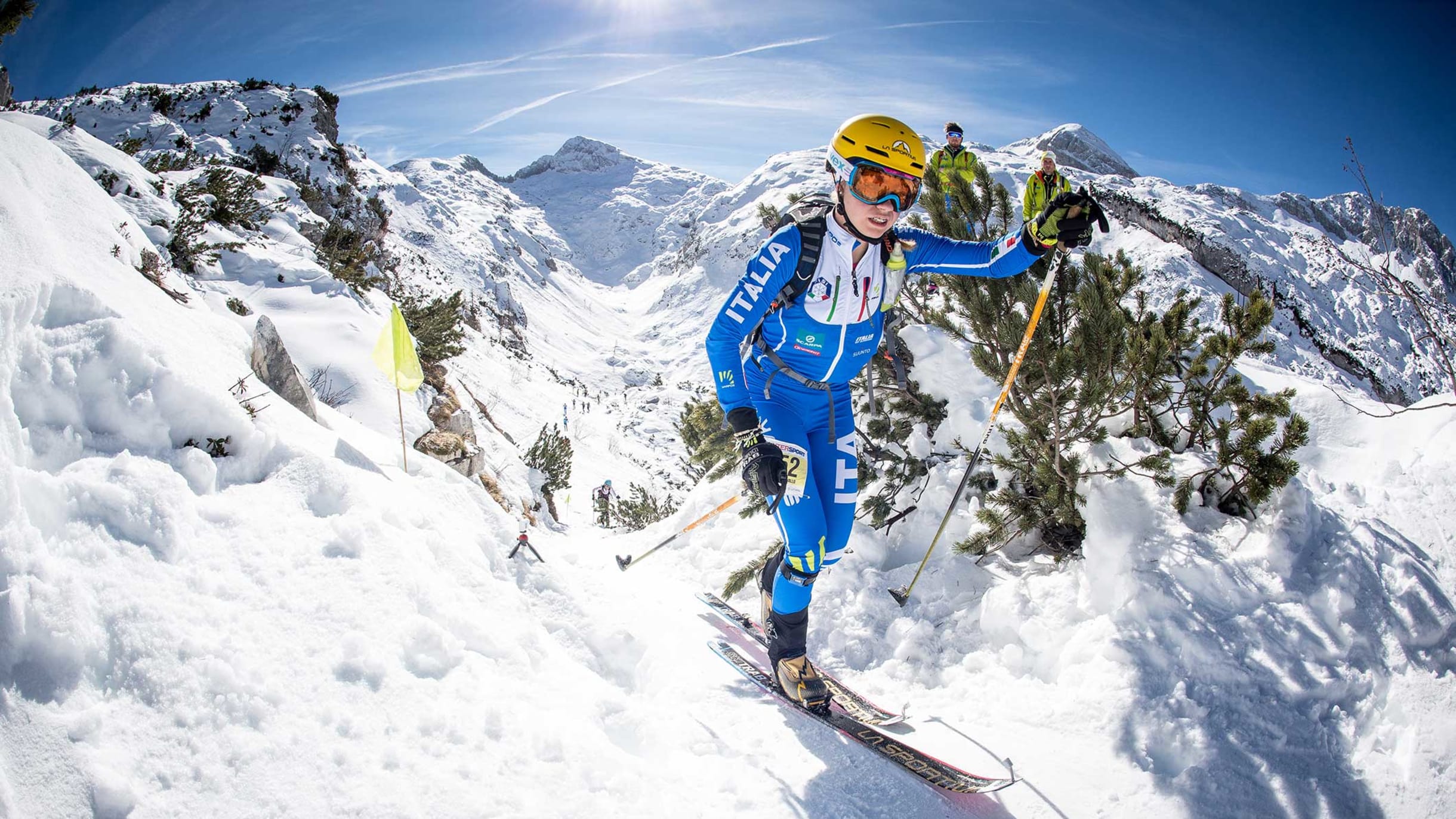
Milano–Cortina marks the Olympic debut of ski mountaineering—and of American athlete Anna Gibson. The Wyoming native transitioned from cross-country and Nordic skiing into skimo, quickly establishing herself among the sport’s elite.
Her preparation looks less like a traditional gym routine and more like mountain immersion.
“Training has been about time in the Tetons—touring, running, skiing,” Gibson says. “Every day feels like a privilege.”
For Gibson, gratitude is as much a performance tool as physical conditioning.
Piper Gilles: Style, Strength, and Self-Expression
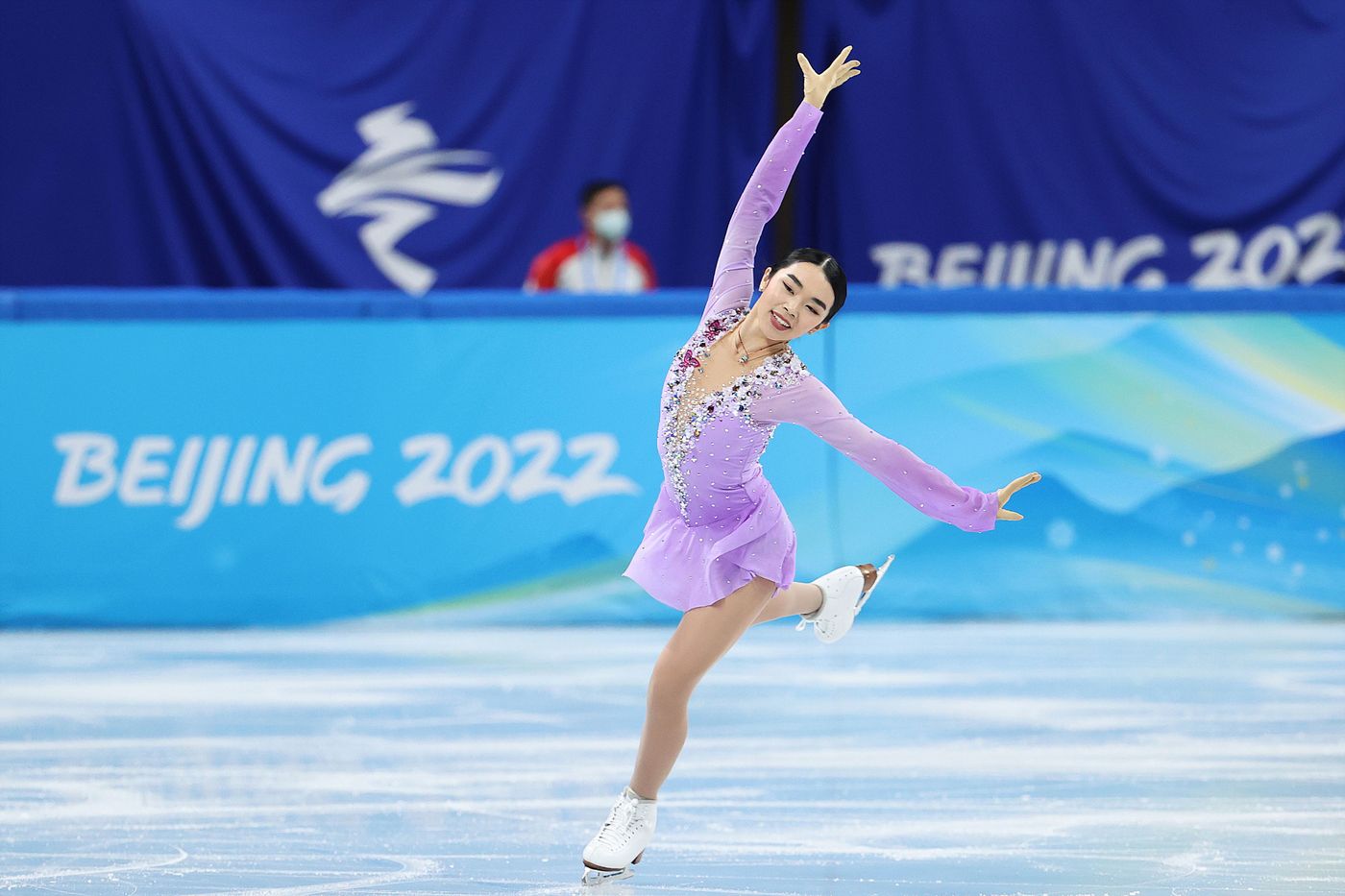
Ice dancer Piper Gilles enters her third Olympics alongside partner Paul Poirier with an already decorated résumé: World medals, Grand Prix titles, and Four Continents golds. But this year, she’s equally excited about something unexpected—fashion.
Gilles describes the Canadian Olympic kits as bold, expressive, and athlete-centered.
“They’re fashion-forward but functional,” she says. “They let us show who we are.”
Performance, after all, is about identity as much as execution.
Let the Games Begin
From legendary veterans to Olympic first-timers, these athletes arrive in Italy carrying more than medals hopes—they bring stories of resilience, balance, pride, and self-belief. As Milano–Cortina 2026 begins, one thing is clear: the competition won’t just be fierce—it will be deeply human.
May the snow be fast, the ice be true, and the moments unforgettable.
