

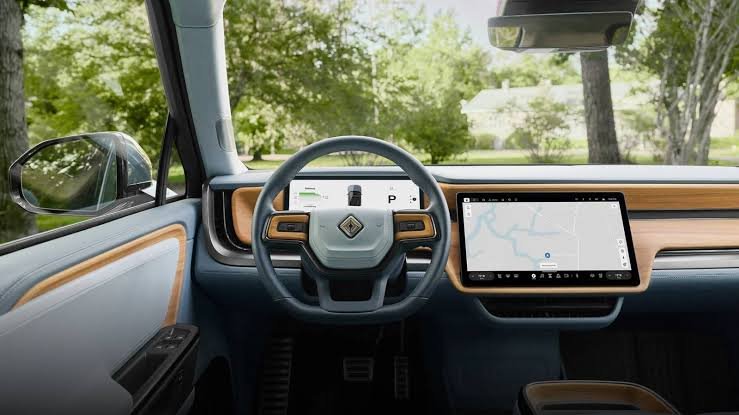
The automotive industry is entering a new era where software is becoming just as important as engines, batteries, and mechanical parts. Modern vehicles are no longer simply machines designed to take people from one place to another. They are becoming connected digital platforms that can receive updates, improve performance, offer personalized experiences, and introduce new features over time.
This change has led to the rise of the software-defined car (SDV). From electric vehicles to advanced driver assistance systems, software is changing how cars are designed, operated, maintained, and upgraded.
But what exactly is a software-defined car, and why could your next vehicle feel more like a smartphone?
What Is a Software-Defined Car?
A software-defined car is a vehicle whose major features and functions are controlled or enhanced by software rather than relying entirely on traditional hardware.
In older cars, adding a new feature often required installing new physical components or buying a different model. In software-defined vehicles, manufacturers can introduce many improvements through software updates.
These updates can affect navigation, entertainment, battery management, driving assistance, digital displays, and vehicle settings.
For example, a car manufacturer may improve its navigation system or introduce a new dashboard feature through an over-the-air (OTA) update. In some vehicles, software updates can also improve charging efficiency or modify certain performance settings.
This approach allows vehicles to evolve after they leave the factory.
Why Cars Are Becoming More Like Smartphones
Smartphones have changed customer expectations. People now expect their devices to receive updates, support useful applications, connect to the internet, and offer personalized experiences.
Automakers are bringing similar expectations to the driving experience.
Here are five major ways software-defined cars resemble smartphones.
1. Over-the-Air Software Updates
One of the most important features of a software-defined car is the ability to receive updates remotely.
Instead of visiting a dealership for every software improvement, compatible vehicles can download and install certain updates through an internet connection.
These updates may improve infotainment systems, fix software problems, strengthen security, or introduce new digital features.
However, not every update can be completed remotely. Some repairs and hardware changes still require a service center.
2. Personalized Driving Experiences
Software-defined vehicles can remember individual driver preferences, depending on the model and available features.
A vehicle may adjust seat positions, climate settings, display preferences, navigation choices, and audio settings when a particular driver profile is selected.
This makes the driving experience more convenient and personal.
In the future, connected vehicles may offer even more customized services based on driving habits and user preferences, subject to privacy settings and applicable laws.
3. Connected Entertainment and Navigation
Modern drivers increasingly expect their vehicles to provide more than basic transportation.
Connected infotainment systems can offer smartphone integration, music streaming, voice assistants, real-time traffic information, and navigation services.
Some vehicles also support app-based controls that allow owners to check battery levels, monitor charging, lock doors, or adjust climate settings remotely.
Like smartphones, these systems depend on compatible hardware, software, internet connectivity, and service availability.
4. New Features After Purchase
Traditional vehicles generally offer the features installed at the time of purchase. Software-defined vehicles can provide a different experience.
Manufacturers may introduce additional digital functions after a vehicle has been sold. Depending on the manufacturer, market, and vehicle configuration, some features may be included in the purchase price while others may require a subscription or separate payment.
This creates new opportunities for automakers to improve customer experiences throughout a vehicle’s life.
However, buyers should check whether advertised features are included, subscription-based, or dependent on optional hardware.
5. Smarter Driver Assistance
Software plays an important role in modern driver assistance technologies.
Features such as adaptive cruise control, lane-keeping assistance, parking assistance, and collision warnings use software to process information from cameras, radar, and other sensors.
Software-defined architectures can help manufacturers improve certain functions through updates, provided the vehicle’s hardware supports those improvements.
These technologies do not make every car fully autonomous. Drivers must understand their vehicle’s capabilities and remain responsible for driving whenever required.
The Technology Behind Software-Defined Vehicles
Software-defined cars depend on several technologies working together.
Centralized computing: Instead of using many separate electronic control units for individual functions, newer architectures can consolidate some computing tasks into more powerful central computers.
Vehicle operating systems: These systems manage software applications and communication between different vehicle functions.
Cloud connectivity: Connected services allow vehicles to exchange information with remote systems for navigation, diagnostics, updates, and other supported features.
Artificial intelligence: AI can help analyze sensor data, support driver assistance, improve voice interactions, and personalize certain services.
Cybersecurity: Because connected vehicles rely on software and communication networks, manufacturers need security measures to protect vehicle systems and customer data.
Together, these technologies make it easier to manage complex digital features and develop new services.
Benefits of Software-Defined Cars
Software-defined vehicles offer several potential benefits for drivers and manufacturers.
- Continuous improvement: Compatible vehicles can receive software improvements after purchase.
- Better convenience: Connected controls and personalized settings can simplify everyday driving.
- Improved diagnostics: Software can help identify certain faults and notify drivers or service providers.
- More flexible development: Automakers can develop and improve digital features without redesigning every physical component.
- New customer experiences: Connected services can create opportunities for more useful entertainment, navigation, and vehicle-management tools.
However, these benefits depend on reliable software, good engineering, compatible hardware, and long-term manufacturer support.
Challenges Automakers Must Solve
Despite its advantages, the software-defined car also creates important challenges.
Cybersecurity is a major concern because connected systems may become targets for digital attacks. Manufacturers must regularly address vulnerabilities and protect sensitive information.
Privacy is another issue. Connected vehicles may collect location, usage, and diagnostic data. Drivers should understand what information is collected, how it is used, and which settings are available.
Software reliability is equally important. A problem with a digital system can affect essential vehicle functions, so safety testing and careful update management are critical.
There is also the question of long-term support. Buyers need to know how long a manufacturer will provide updates and whether connected features will continue working when online services change.
What the Future Holds for Software-Defined Cars
The future of automotive technology will likely involve deeper integration between vehicles, smartphones, cloud services, and artificial intelligence.
Cars may become better at predicting maintenance needs, managing electric vehicle charging, personalizing journeys, and integrating with smart homes.
Manufacturers may also compete increasingly on software quality, digital services, cybersecurity, and the speed at which they deliver useful improvements.
However, the transition will not happen equally across all vehicles. Hardware limitations, connectivity, regulations, costs, and customer preferences will influence how quickly these features become widespread.
Conclusion
The rise of the software-defined car marks a major change in the automotive industry. Vehicles are becoming connected digital platforms that can improve through software updates, offer personalized experiences, and support increasingly advanced driver assistance systems.
Like smartphones, these cars may continue evolving after purchase. But they also face unique challenges because automotive software must meet demanding safety, reliability, and security requirements.
For drivers, the biggest change is simple: buying a car may increasingly mean choosing not only an engine or battery, but also a software platform that will shape the driving experience for years to come.
