

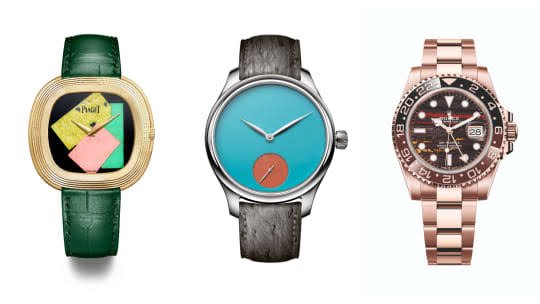
Luxury watches have always been a symbol of success, style, and craftsmanship. For many years, collectors focused on famous names and instantly recognizable models. Watches from major Swiss brands often dominated conversations about prestige and investment value.
However, the luxury watch market is evolving. Today, more collectors are exploring independent watchmakers, lesser-known luxury brands, unusual designs, and watches with unique stories. Instead of choosing a watch simply because it is famous, buyers increasingly want something that reflects their personality and appreciation for fine watchmaking.
This shift represents the new luxury watch code: choosing quality, originality, and craftsmanship over recognition alone.
What Is the New Luxury Watch Code?
The new luxury watch code is a change in how people define luxury timepieces. Traditionally, owning a luxury watch was closely connected to brand recognition, status, and exclusivity.
Now, some collectors are looking beyond the most popular models. They want watches with distinctive designs, innovative engineering, limited production, and meaningful histories.
This does not mean famous luxury watches have lost their appeal. Established brands continue to attract strong demand. Instead, collectors are expanding their interests and discovering alternatives that offer a different experience.
For modern watch enthusiasts, luxury is increasingly about personal taste and the story behind the timepiece.
Why Are Collectors Looking Beyond Famous Watch Brands?
1. The Desire for Originality
One important reason is the desire to own something different. Popular luxury watches are recognizable worldwide, but their popularity also means that many collectors own similar models.
Independent watchmakers and smaller brands offer alternative designs, unusual dial colors, creative case shapes, and distinctive complications.
For collectors who value individuality, these details can make a watch more attractive than a widely recognized status symbol.
2. Appreciation for Independent Watchmaking
Independent watchmakers are gaining attention for their creativity and technical expertise. Many produce watches in relatively small quantities and focus on specific design philosophies.
Some independents experiment with unusual materials, hand-finished movements, and innovative ways to display time. Their smaller production volumes can also create a closer connection between the watchmaker and the collector.
Brands such as F.P. Journe, H. Moser & Cie., and Laurent Ferrier illustrate different approaches to independent or independently minded high-end watchmaking.
Collectors are increasingly interested in understanding how a watch is made rather than judging it only by the name printed on its dial.
3. Craftsmanship Matters More Than Logos
A luxury watch involves much more than its appearance. Movement construction, finishing, accuracy, materials, and assembly all contribute to its quality.
Collectors who look beyond famous names often pay close attention to details such as polished and brushed surfaces, movement decoration, dial finishing, and the precision of mechanical components.
Hand-finished movements and complex complications can require significant skill and time to produce. For knowledgeable buyers, these features offer a deeper reason to appreciate a watch.
The growing interest in craftsmanship also reflects a broader desire for products that are made with care and designed to last.
The Rise of Rare and Limited-Production Watches
Scarcity has long influenced luxury watch collecting. Limited-production watches can attract attention because they are harder to find and may feature unusual designs or specialized craftsmanship.
However, rarity alone does not guarantee desirability or future value. A watch’s reputation, condition, service history, originality, and buyer demand all influence its appeal.
Collectors are becoming more selective about what makes a watch genuinely special. Rather than purchasing a limited edition simply because it is rare, they may research its movement, production history, and significance within the brand’s collection.
This more thoughtful approach helps distinguish meaningful exclusivity from a marketing strategy.
Are Luxury Watches Still a Good Investment?
Luxury watches can hold or increase their value, but they should not be treated as guaranteed investments.
Certain models from established brands have demonstrated strong demand in the secondary market. Nevertheless, prices can change because of economic conditions, production levels, fashion trends, and collector preferences.
Less familiar brands can offer excellent craftsmanship, but they may have smaller resale markets and less predictable prices.
Anyone considering a watch as an investment should research recent completed sales, dealer fees, maintenance costs, insurance, and authenticity. Asking prices alone do not prove what a watch will sell for.
For most buyers, the strongest reason to purchase a luxury watch should be the enjoyment of owning and wearing it. Potential resale value is better viewed as an additional consideration rather than a promise.
How Technology and Changing Tastes Are Influencing Watch Collecting
Modern collectors have access to more information than ever before. Online communities, specialist publications, auction platforms, and watch-focused social media accounts make it easier to discover unfamiliar brands.
A collector can compare movements, learn about manufacturing techniques, and study historical references before visiting a retailer.
At the same time, changing tastes are encouraging interest in smaller watches, vintage-inspired designs, colorful dials, and understated luxury. Not every buyer wants a large, instantly recognizable timepiece.
Younger enthusiasts, in particular, may explore watches through design, storytelling, and mechanical innovation before considering brand prestige.
These preferences are not universal, but they demonstrate that luxury watch collecting is becoming more diverse.
What Should Buyers Look for Beyond Brand Recognition?
Collectors exploring lesser-known luxury watches should consider several important factors:
- Movement quality: Understand the movement’s design, performance, and service requirements.
- Finishing: Examine the dial, hands, case, bracelet, and movement details.
- Wearability: Choose a case size, thickness, and style that suit everyday use.
- Brand history: Research the manufacturer’s background and reputation.
- After-sales service: Confirm that servicing, repairs, and replacement parts are available.
- Authenticity: Purchase from reputable sellers and verify documentation where possible.
- Resale considerations: Research actual market demand without assuming future appreciation.
A thoughtful purchase balances emotional appeal with practical ownership costs.
The Future of Luxury Watch Collecting
The future of luxury watch collecting will likely include both iconic models and less familiar creations. Established brands benefit from heritage, recognition, and extensive service networks, while independent makers can offer originality and distinctive craftsmanship.
As collectors become more informed, the conversation is expanding beyond brand names and resale prices. Mechanical innovation, design integrity, personal connection, and long-term enjoyment are becoming important parts of the buying decision.
The new luxury watch code is not about rejecting famous brands. It is about understanding that luxury can take many forms.
Conclusion
The new luxury watch code reflects a more personal and informed approach to collecting. Buyers are looking beyond obvious icons to discover independent watchmakers, unusual designs, limited-production pieces, and exceptional craftsmanship.
Brand recognition still matters, but it is no longer the only way to define a desirable timepiece. For many enthusiasts, the real value of a luxury watch lies in its engineering, character, history, and the pleasure it brings to its owner.
Ultimately, the best luxury watch is not necessarily the one everyone recognizes. It is the one that offers the right combination of craftsmanship, design, reliability, and personal meaning.
