

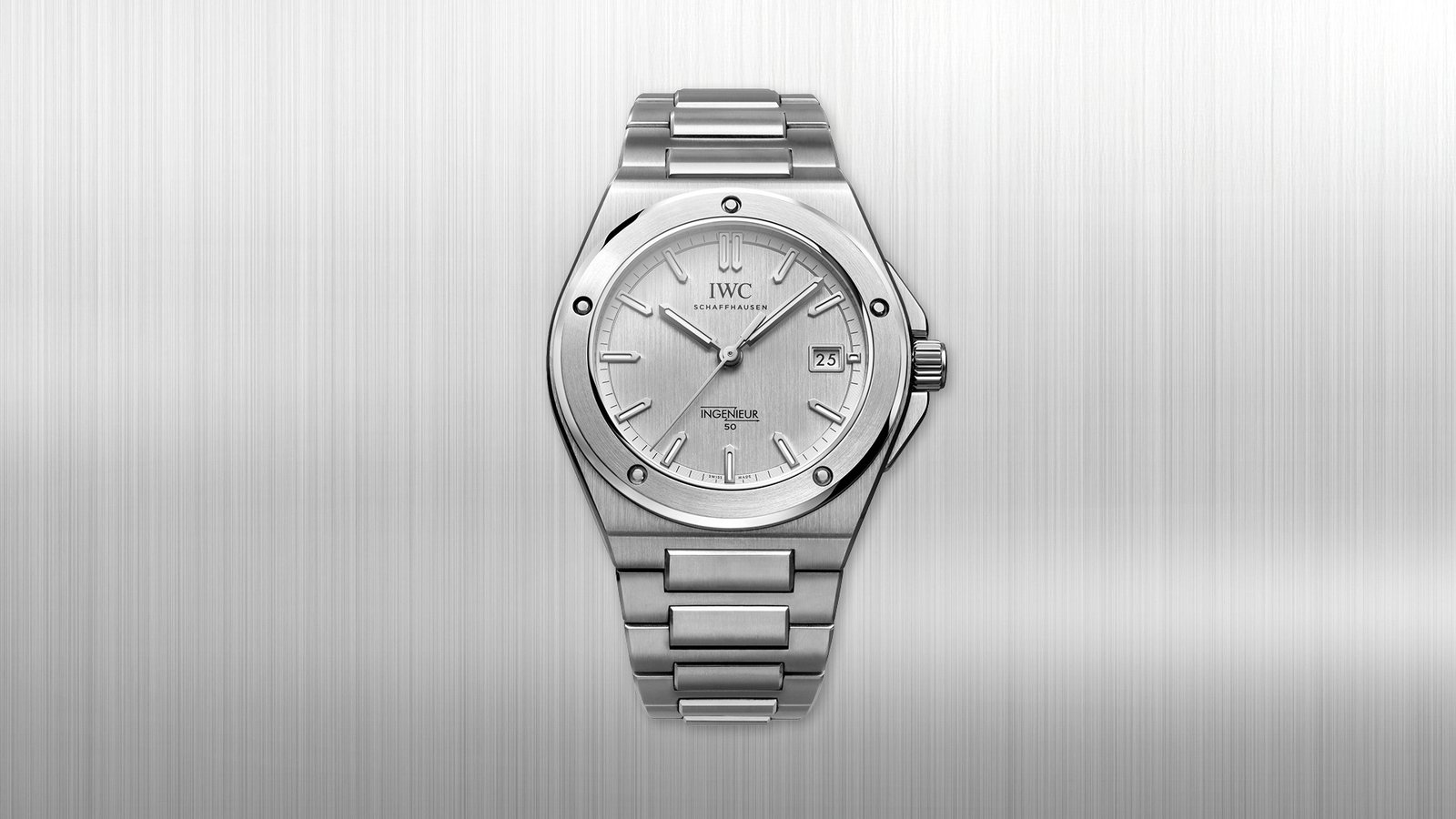
The IWC Ingenieur is one of the most recognisable watch designs in modern watchmaking. Known for its strong case, integrated bracelet, and distinctive bezel, the Ingenieur has built a reputation for combining engineering, luxury, and everyday usability. Its story began in the 1950s, but the design became especially influential in the 1970s, when luxury sports watches started to change the industry.
The Ingenieur’s journey is not just about telling time. It is also about innovation, the work of talented designers, and the changing tastes of luxury watch buyers. Over the years, the collection has evolved while keeping its original engineering spirit alive.
What Is the IWC Ingenieur?
The Ingenieur is a luxury watch collection created by Swiss watchmaker IWC Schaffhausen. The name “Ingenieur” means “engineer” in German, reflecting the watch’s original focus on precision, durability, and technical performance.
IWC introduced the Ingenieur in 1955. Early models were designed to offer protection against magnetic fields, which could affect the accuracy of mechanical watches. This feature made the collection particularly appealing to professionals working around electrical equipment and industrial machinery.
Over time, the Ingenieur developed beyond its technical origins. It became a symbol of understated luxury, appealing to people who appreciate mechanical engineering and timeless design.
How the Ingenieur Changed in the 1970s
The 1970s were an important period for luxury watches. Buyers increasingly wanted watches that could be worn every day but still looked sophisticated enough for social occasions.
Sports watches with steel cases and integrated bracelets began attracting attention. Instead of using a traditional leather strap, these watches featured bracelets that flowed naturally from the case.
The Ingenieur followed this broader design movement with the Ingenieur SL, introduced in 1976. This model helped establish the collection’s modern identity.
Its design was created by Gérald Genta, one of the most influential watch designers of the twentieth century. Genta was also associated with other celebrated luxury sports watch designs, including the Audemars Piguet Royal Oak and the Patek Philippe Nautilus.
The Ingenieur SL featured a distinctive round case, an integrated steel bracelet, and a bezel with five visible recesses for screws. These details gave the watch a bold appearance without making it excessively decorative.
Gérald Genta’s Influence on the Ingenieur
Gérald Genta played an important role in shaping the Ingenieur’s visual identity. His approach combined practical construction with strong, easily recognisable design elements.
The Ingenieur SL demonstrated how a luxury watch could look sporty and technical while maintaining an elegant character. Its integrated bracelet created a unified appearance, while the bezel added visual strength.
The design also reflected a growing interest in stainless steel as a luxury material. Previously, gold watches often represented traditional luxury. During the 1970s, steel sports watches began challenging that idea.
The Ingenieur became part of this shift. It showed that luxury could come from design quality, engineering, and craftsmanship rather than precious metals alone.
Why the Ingenieur Is So Recognisable
Several design features make the Ingenieur stand out from other luxury watches.
1. The distinctive bezel
The modern Ingenieur design is closely associated with its round bezel and five functional-looking recesses. These details create a strong visual identity.
2. The integrated bracelet
The bracelet connects naturally with the case, giving the watch a balanced and unified appearance. It also supports the collection’s sporty character.
3. The technical aesthetic
The Ingenieur combines clean lines with industrial-inspired details. It looks modern without depending on temporary fashion trends.
4. Everyday versatility
The watch can work with casual clothing, business outfits, and smart-casual styles. This flexibility has helped maintain its appeal among luxury watch enthusiasts.
Together, these elements make the Ingenieur recognisable even in a crowded luxury watch market.
What Does “50 Years of the Ingenieur” Mean?
The phrase “50 Years of the Ingenieur” most naturally refers to the design milestone associated with the Ingenieur SL introduced in 1976. Its fiftieth anniversary falls in 2026.
It is important to distinguish this anniversary from the collection’s original launch. IWC introduced the Ingenieur in 1955, so the watch family itself is older than 50 years.
The 1976 milestone celebrates the design direction that helped turn the Ingenieur into a modern luxury sports watch. It highlights the lasting influence of Gérald Genta’s work and the importance of the integrated-bracelet design in the collection’s history.
This distinction matters because the Ingenieur’s story includes several generations of watches, each reflecting different technical and aesthetic priorities.
How the Ingenieur Evolved Over Time
The Ingenieur has changed considerably since its early models. While the original collection focused strongly on resistance to magnetic fields, later generations explored new case shapes, movements, materials, and sizes.
The collection continued to develop through the late twentieth century and into the 2000s. Some models emphasised technical complexity, while others returned to the design language that made the Ingenieur SL famous.
In 2023, IWC introduced a redesigned Ingenieur collection inspired by the 1970s model. The updated watches brought back the integrated-bracelet concept and distinctive bezel while incorporating modern manufacturing techniques and contemporary mechanical movements.
The result connected the collection’s heritage with the expectations of today’s luxury watch buyers.
Modern versions offer improved finishing, updated ergonomics, and contemporary automatic movements. They maintain the original design’s spirit while providing the convenience and performance expected from a modern luxury timepiece.
Why the Ingenieur Still Matters in Luxury Watchmaking
The Ingenieur remains relevant because it connects historical design with modern engineering. Many luxury watchesc rely heavily on brand heritage, but the Ingenieur also has a clear technical story behind its identity.
Its development reflects broader changes in the watch industry, including the rise of stainless-steel sports watches, the influence of independent design talent, and the growing demand for versatile luxury accessories.
Collectors may appreciate the historical significance of earlier models, while newer buyers may be attracted to the modern collection’s clean design and everyday practicality.
The watch also demonstrates how a design can evolve without losing its identity. Although materials, movements, and proportions have changed, the Ingenieur continues to reflect the original ambition to combine engineering and style.
Conclusion
Fifty years after the introduction of the Ingenieur SL in 1976, the Ingenieur remains an important part of IWC Schaffhausen’s history. Its distinctive design, association with Gérald Genta, and combination of technical purpose and luxury styling have helped it stand apart in the competitive world of Swiss watchmaking.
The collection’s roots go back to 1955, but the 1976 design marked a major turning point in its visual identity. Today, the Ingenieur continues to connect its industrial heritage with modern watchmaking.
Its lasting appeal shows that great design does not need to follow every new trend. When thoughtful engineering meets a distinctive visual style, the result can remain relevant for generations.
