

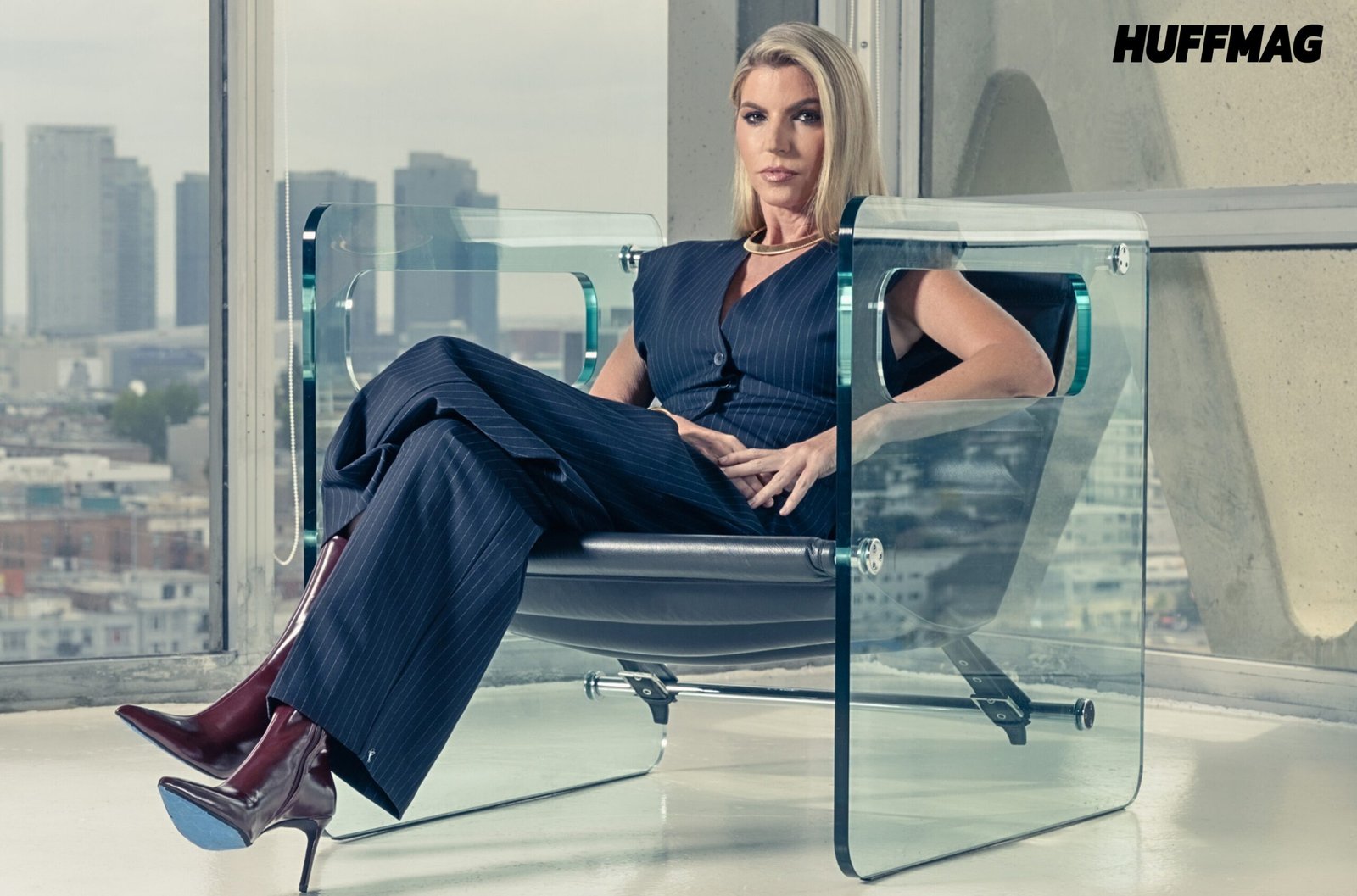
Beyond being the founder of Kemp Law Group, she has now ventured into the entertainment realm to advocate, illuminate, and bring important stories into public view.
The world has witnessed the rise of several professionals across sectors. However, among them, a few rare gems have gone ahead in creating a positive impact through their work, which has also made them inspirational figures for up-and-coming talents. Stacy A. Kemp serves as a shining example of one such incredible talent who went from courtroom to creating cultural impact. She is today redefining justice through people-first leadership and storytelling.
Defying all boundaries, Stacy A. Kemp made waves in the legal profession. Her journey, rooted in listening, observing, and ultimately reshaping how justice is delivered and experienced, made her follow an unconventional path in her career. Today, as the founder of Kemp Law Group and an emerging force in independent filmmaking, she stands at the intersection of law, leadership, and storytelling, proving that true impact is created when people come before process. Before becoming an attorney, she initially worked as a court reporter for over seven years. In that role, she would quietly sit inside courtrooms, document proceedings word by word, and absorb the rhythm of trials. She also witnessed how attorneys would use narrative to frame facts, how easily people could feel lost inside a system not designed with them in mind, and how clarity empowered juries. All these years, planted a powerful idea that law works best when it is accessible, empathetic, and deeply human.

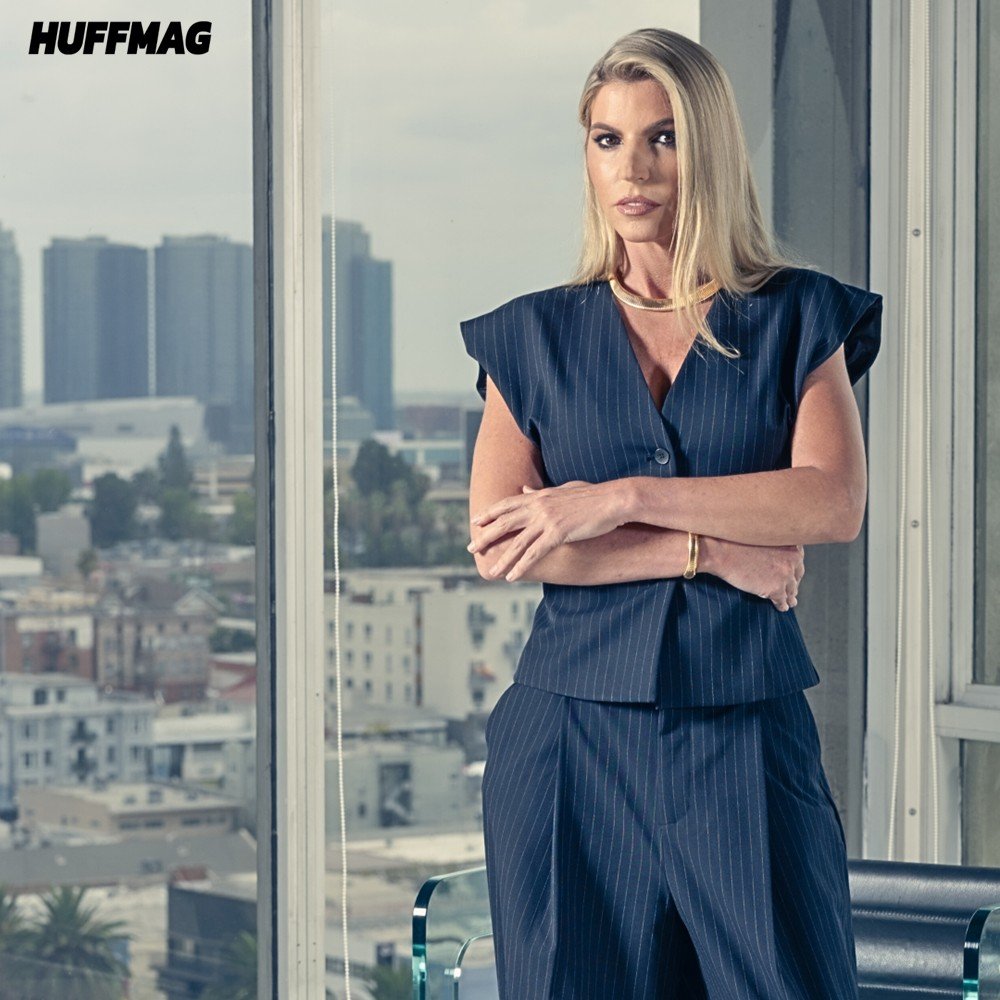

Kemp entered law school in a deliberate act of reinvention, not to conform to tradition but to challenge it. After earning her J.D, she made another bold decision to launch her own firm immediately after joining an established practice. With no inherited clients or built-in mentorship, she built Kemp Law Group from the ground up, guided by the principle that the law should serve people first. She made sure to design systems that demystified legal processes and met clients where they were, emotionally, geographically, and practically. This philosophy eventually led to the firm’s remote-first model, allowing Kemp Law Group to expand statewide across Florida. Today, it has grown into a firm with over 70 employees and operates without traditional geographical limitations, underscoring her belief that innovation should remove barriers rather than create them. Stacy A. Kemp’s commitment to diversity is intentional, creating opportunities for women, minorities, and emerging professionals who are often underrepresented in the legal industry.
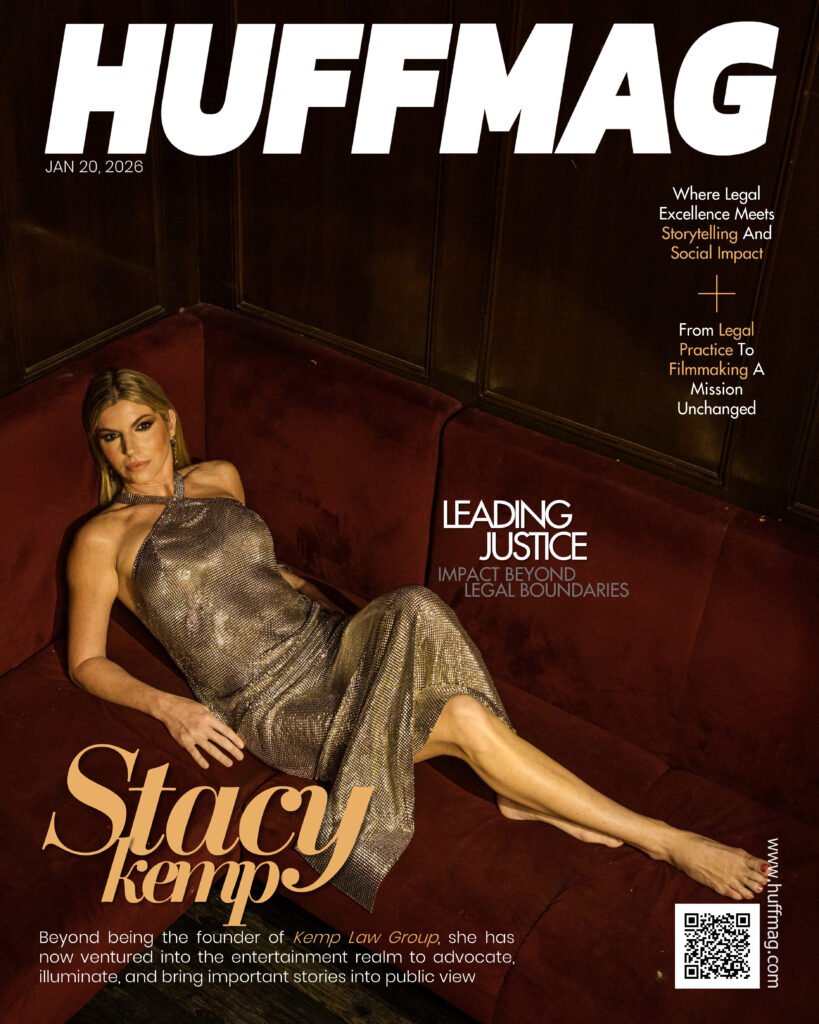
Parallel to her legal success, Kemp’s fascination with narrative began to take on a new form. Spending years hearing client stories, and her early courtroom observations catapulted her to filmmaking. She believes this is an extension of the same mission and emphasises how storytelling, whether in court or on screen, has the power to illuminate truth. It also has the power to foster empathy and amplify voices that might otherwise go unheard. Her work in films focuses on human-centred narratives rooted in real experiences. Just as she shaped legal narratives to help juries understand complex realities, she now collaborates with writers and creatives to bring grounded, meaningful stories to life.
Consistency in her purpose has helped make Stacy A. Kemp’s trajectory so compelling. From being a court reporter to becoming an attorney, from solo practitioner to leader of a statewide firm and from legal advocate to venturing into filmmaking, her core mission has never wavered. She believes that justice is not only about outcomes, but about how people are treated along the way. In the near future, she wants to continue working toward consistent growth of Kemp Law Group within its remote-first, people-centred model, alongside deeper cross-disciplinary collaborations that blend legal advocacy and creative and social impact initiatives.



In films, Stacy A. Kemp has been building projects that reflect the same values, which is uplifting underrepresented voices and creating work that resonates beyond the moment. She wants to build a legacy rooted in professional success, but most importantly, in service, voice, and lasting impact.
