

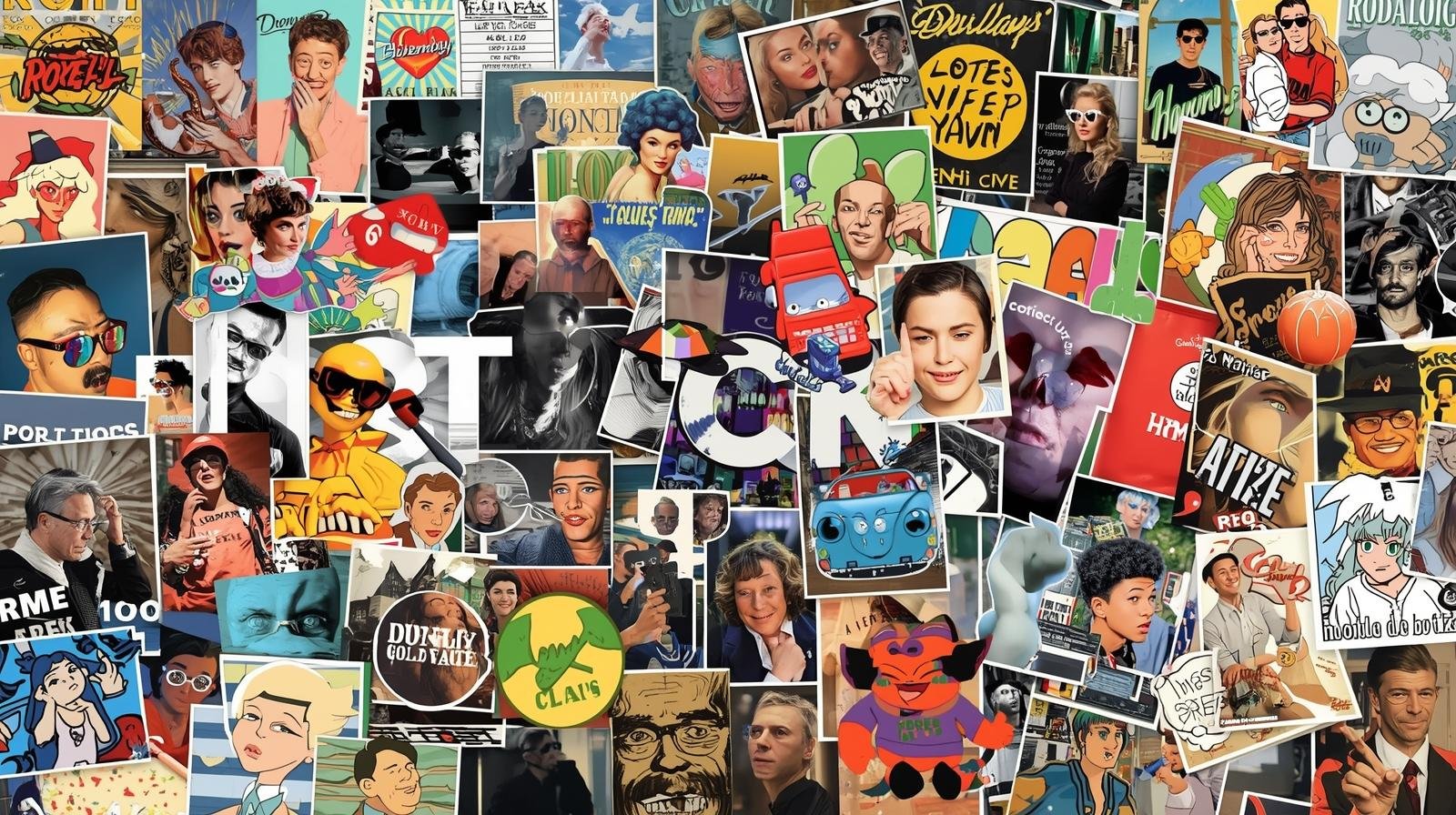
In an age of AI filters, fleeting trends, and constant digital noise, something surprisingly simple is captivating millions online — nostalgia. From 90s TV reruns and Y2K fashion edits to pixelated VHS filters, the internet is suddenly obsessed with the past. Scroll through TikTok or Instagram and you’ll find timelines flooded with vintage aesthetics, old-school pop culture references, and retro challenges. But why are we, the most connected generation in history, so drawn to memories of a world that no longer exists? The answer lies in psychology, emotion, and the deep human need for connection.
Nostalgia is more than a passing trend — it’s an emotional refuge. It represents comfort, stability, and belonging in an unpredictable world. When we feel overwhelmed by change, our brains naturally seek the familiar. Psychologists call nostalgia a “psychological immune response” — it soothes anxiety, boosts optimism, and reinforces our sense of identity. Simply put, nostalgia reminds us of who we were when life felt simpler and safer. And in today’s climate of uncertainty, that sense of safety feels priceless.
From a neurological standpoint, nostalgia activates the brain’s reward centers. It triggers dopamine, the same chemical that fuels happiness and motivation. When you hear an old ringtone or see an early 2000s meme, your brain doesn’t just remember — it relives. Those sensory cues link to emotions stored deep in memory, creating a rush of warmth and familiarity. That’s why nostalgia-based content performs so well online: it gives audiences an instant hit of emotional satisfaction.
This emotional pull has turned nostalgia into a marketing powerhouse. Brands and creators have realized that nostalgia is one of the most effective storytelling tools on the internet. It builds instant emotional bridges with audiences by appealing to shared experiences and collective memory. From Pepsi reviving its retro logo to Netflix capitalizing on 80s culture with “Stranger Things,” nostalgia marketing taps into emotion before logic. It’s not just about selling a product — it’s about selling a feeling.
Social media has amplified this effect dramatically. Platforms like TikTok and Instagram thrive on emotional engagement, and nostalgia delivers exactly that. Hashtags like #Throwback, #Y2K, and #90sBaby dominate feeds, inviting users to reminisce together. This shared nostalgia creates a sense of digital community — a collective “remember when?” moment that transcends geography and age. People bond over memories of dial-up internet, flip phones, Disney shows, or early social media platforms like MySpace. It’s no longer just about looking back — it’s about belonging.
Interestingly, the generation most responsible for this nostalgia wave is Gen Z — people who weren’t even alive during many of the eras they idolize. For Gen Z, nostalgia isn’t about memory, it’s about meaning. They crave authenticity in a world of hyper-curated perfection, and the past feels more genuine. The imperfections of the 90s and 2000s — grainy photos, bad haircuts, unfiltered moments — are now seen as symbols of realness. To them, retro isn’t outdated; it’s refreshing.
The aesthetic side of nostalgia also plays a major role. The visual language of retro content — warm tones, analog textures, old fonts, and VHS-style effects — evokes emotion instantly. It’s tactile and imperfect, offering a break from today’s hyper-HD, polished visuals. Even music and sound design contribute: cassette clicks, lo-fi beats, and 2000s pop remixes trigger auditory nostalgia that deepens emotional engagement. Every pixel, font, and soundtrack becomes a portal back in time.
Beyond emotion, nostalgia is proving to be powerful business. The rise of secondhand fashion platforms like Depop and Vinted, vintage sneaker revivals from Nike and Adidas, and the booming market for retro gaming consoles all point to a cultural shift. Consumers aren’t just watching nostalgic content; they’re buying into it. Brands that successfully blend old-school appeal with modern relevance are thriving because nostalgia sells — but only when it feels authentic.
Authenticity is key. Forced or fake nostalgia can backfire. The most effective nostalgic content doesn’t simply recycle the past — it reinterprets it. It celebrates old memories while updating them for a modern audience. Think of it as remix culture: a conversation between then and now. That’s why brands like Polaroid and Levi’s continue to succeed — they maintain their legacy while evolving their storytelling. They don’t just remind us of the past; they help us carry it forward.
But nostalgia also has its dangers. It can become a digital escape, a form of denial. Psychologists warn that excessive nostalgia can distort memory, making us romanticize the past while rejecting the present. When creators and brands rely too heavily on throwbacks, they risk feeling repetitive or irrelevant. The challenge lies in balance — blending comfort from the past with curiosity for the future.
As technology advances and AI continues to reshape creativity, nostalgia will only grow stronger. In a world that feels increasingly artificial, people will crave authenticity, imperfection, and emotional depth. Nostalgia content gives us all three. It’s emotional empathy in visual form — a reminder that before algorithms, we had human moments worth remembering.
The future of nostalgia is not about living in the past — it’s about finding emotional grounding in it. Every generation reaches a point where it looks back to move forward, and social media has simply accelerated that process. From viral 2000s montages to retro brand campaigns, nostalgia has become a language of comfort, creativity, and connection.
In the end, nostalgia content works because it’s not really about yesterday. It’s about today — about our need for warmth in a cold, fast world. When we share a vintage post, hum an old tune, or scroll through a reel of childhood memories, we’re doing more than reminiscing. We’re reminding ourselves that in a future ruled by speed and screens, our humanity still lies in the past we carry with us.
Because sometimes, to feel something real, we have to go back.
