

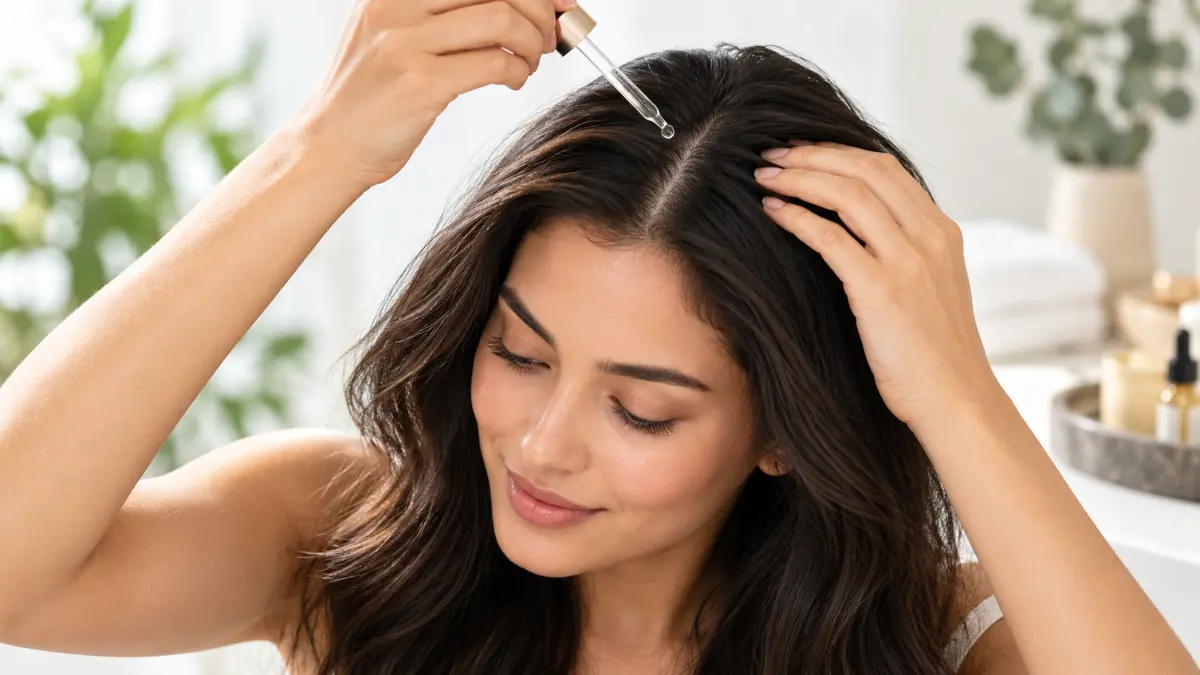
Hair care is changing, and the biggest trend is no longer just about choosing the right shampoo, conditioner, or hair oil. People are now paying more attention to the skin underneath their hair. This growing interest in scalp care is changing how people think about healthy, beautiful hair.
For years, most hair routines focused on improving the appearance of hair. People used products to reduce frizz, add shine, control dryness, and prevent breakage. However, healthy-looking hair also depends on the condition of the scalp. This is why scalp care is becoming an important part of modern beauty and personal care routines.
From scalp serums and exfoliating treatments to gentle cleansing shampoos and massage tools, the beauty industry is introducing new ways to support scalp health. But what is driving this revolution, and why should you consider moving your hair routine upward?
What Is the Scalp-Care Revolution?
The scalp-care revolution refers to the growing focus on maintaining a healthy scalp as an important part of overall hair care.
Just like facial skin, the scalp can experience dryness, excess oil, irritation, product buildup, and sensitivity. These problems can affect comfort and sometimes contribute to hair-related concerns.
Modern scalp-care products are designed to address different needs, including hydration, cleansing, oil control, and soothing irritation.
Instead of treating hair and scalp as completely separate concerns, consumers are beginning to understand that both deserve attention.
Why Is Scalp Care Becoming So Popular?
Several beauty and lifestyle trends are making scalp care more popular.
1. Growing Awareness of Scalp Health
People are learning that the scalp is skin and needs regular care. Washing hair alone may not address every scalp concern, especially when someone experiences excessive oiliness, dryness, or product buildup.
This awareness is encouraging people to explore products specifically developed for scalp care.
2. The Rise of Skinification
One of the biggest beauty trends is called skinification. It means applying skincare principles and ingredients to other parts of the body, including the scalp.
Ingredients commonly found in skincare, such as hyaluronic acid, niacinamide, and certain exfoliating acids, are now appearing in scalp-care formulations.
These ingredients may help support hydration, improve scalp comfort, and remove excess buildup when used in suitable products.
3. More Interest in Personalized Hair Routines
Not everyone has the same scalp type. Some people experience oily roots, while others struggle with dryness or sensitivity.
Consumers are increasingly choosing products based on their individual needs rather than following one routine.
This shift has encouraged beauty brands to introduce products for different scalp conditions.
The Most Popular Scalp-Care Products
The beauty market now offers several products designed to support scalp health.
1. Scalp Serums
Scalp serums are lightweight treatments applied directly to the scalp. Depending on their ingredients, they may help with hydration, dryness, or scalp comfort.
Some formulations contain niacinamide, hyaluronic acid, or other skin-conditioning ingredients.
2. Exfoliating Scalp Treatments
Exfoliating scalp products help remove dead skin cells, excess oil, and product buildup.
They may be useful for people who regularly use styling products. However, excessive exfoliation can cause irritation, so these treatments should be used according to product instructions.
3. Clarifying Shampoos
Clarifying shampoos are designed to remove stubborn product residue, excess oil, and buildup.
They can be helpful occasionally, especially for people who use gels, sprays, or heavy styling products. However, using them too frequently may make the scalp and hair feel dry.
4. Scalp Massage Brushes
Scalp massage brushes are becoming popular because they make washing and massaging the scalp easier.
Gentle massage can make shampoo distribution easier and create a relaxing hair-washing experience. Avoid pressing too hard, as aggressive brushing may irritate the scalp.
5. Scalp Oils
Scalp oils are commonly used to condition dry areas and improve the feeling of softness.
However, not every scalp needs additional oil. People with oily or dandruff-prone scalps should choose products carefully because heavy oils may worsen buildup or irritation for some individuals.
How to Build a Simple Scalp-Care Routine
You do not need an expensive collection of products to improve your scalp-care habits. A simple and consistent routine is often enough.
Here are five basic steps:
Step 1: Choose the Right Shampoo
Select a shampoo according to your scalp type. People with oily scalps may need more frequent washing, while those with dry or sensitive scalps may prefer gentle formulas.
Step 2: Clean Your Scalp Properly
Apply shampoo to your scalp and massage gently with your fingertips. Focus on removing oil, sweat, and product residue.
Step 3: Use a Scalp Treatment When Needed
Choose a suitable scalp serum or treatment based on your specific concerns. Follow the product instructions and avoid combining too many active ingredients without understanding their effects.
Step 4: Condition Your Hair
Apply conditioner mainly to the middle lengths and ends of your hair. This helps improve softness and manageability without adding unnecessary product to the scalp.
Step 5: Maintain Healthy Habits
A balanced diet, adequate sleep, gentle hair handling, and good hygiene all contribute to overall hair health.
If you experience persistent itching, redness, scaling, or unusual hair loss, consult a dermatologist rather than relying only on cosmetic products.
Can Scalp Care Help With Hair Growth?
This is one of the most common questions about modern scalp care.
A healthy scalp provides a better environment for normal hair growth, but scalp serums and massage brushes cannot guarantee faster or thicker hair growth.
Hair loss can have several causes, including genetics, hormonal changes, nutritional deficiencies, stress, and certain medical conditions.
Some ingredients and medically approved treatments may help with specific types of hair loss, but the right approach depends on the underlying cause.
For this reason, people experiencing noticeable or persistent hair loss should seek professional advice.
How Beauty Brands Are Changing the Hair-Care Industry
The growing interest in scalp health is creating new opportunities for beauty and personal-care brands.
Companies are developing specialized shampoos, scalp masks, exfoliating products, serums, and treatment kits. Product packaging and marketing are also becoming more focused on scalp type and individual concerns.
Social media platforms are helping introduce these products to younger consumers. Beauty creators, dermatologists, and hair-care professionals are sharing educational content about scalp health and ingredient selection.
As a result, scalp care is becoming more than a temporary beauty trend. It is developing into an important category within the wider hair-care industry.
The Future of Hair Care Is Starting at the Scalp
The scalp-care revolution represents a simple but important change in beauty habits. Instead of focusing only on how hair looks, people are paying more attention to the condition of the scalp.
Personalized products, skincare-inspired ingredients, and better awareness of scalp health are shaping the future of hair care.
The best routine does not need to be complicated or expensive. Understanding your scalp type, choosing suitable products, and maintaining consistent habits can make a meaningful difference to scalp comfort and hair maintenance.
Ultimately, beautiful hair care starts with paying attention to what is happening underneath it.
