

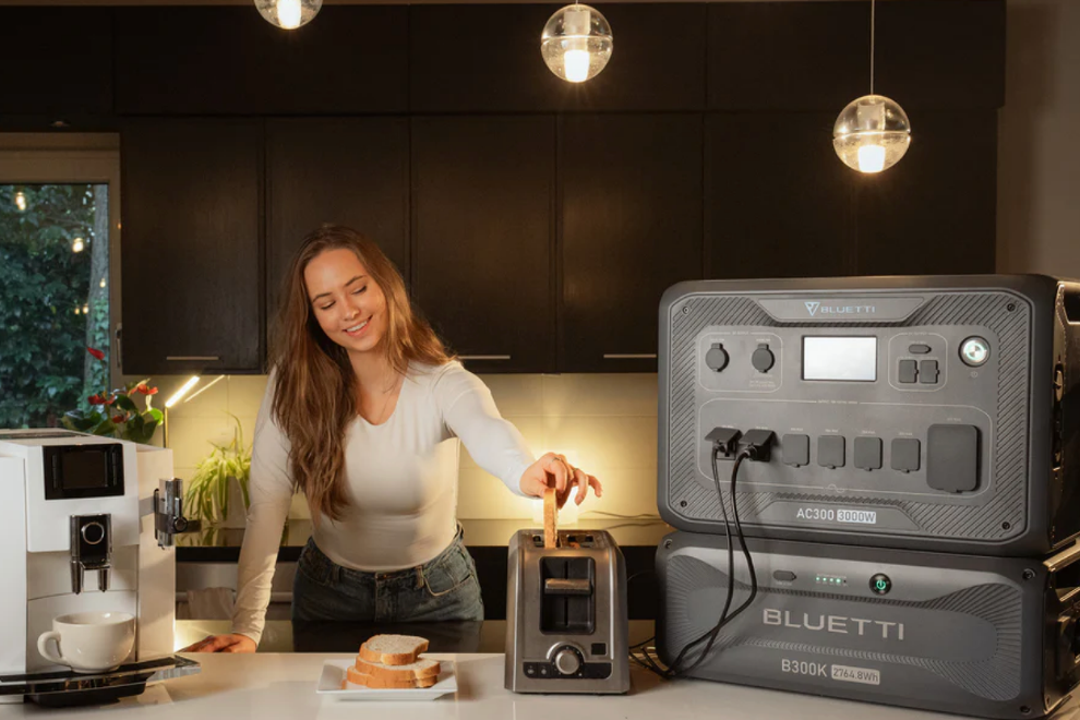
Hurricane season can bring strong winds, heavy rain, flooding, and long power outages. While we cannot control the weather, we can prepare for it. One of the best ways to protect your family and home during a hurricane is by having an emergency generator. A reliable generator can keep your lights on, your refrigerator running, and your essential devices charged until power is restored.
In this guide, you’ll learn why an emergency generator is important, how to choose the right one, and how to use it safely during hurricane season.
Why Is Hurricane Preparation Important?
Hurricanes can cause widespread damage in just a few hours. Fallen trees, damaged power lines, and flooding often leave entire neighborhoods without electricity for days or even weeks. Losing power can make daily life difficult and even dangerous, especially for families with young children, older adults, or people who rely on medical equipment.
Preparing before a storm arrives helps reduce stress and keeps your household safer during emergencies.
What Is an Emergency Generator?
An emergency generator is a backup power source that provides electricity when your main power supply is unavailable. It can power important appliances and devices until utility service returns.
There are two common types of emergency generators:
Portable Generators
Portable generators are easy to move and are usually powered by gasoline, propane, or diesel. They are ideal for powering essential appliances such as:
- Refrigerator
- Lights
- Fans
- Phone chargers
- Small kitchen appliances
- Sump pumps
Standby Generators
Standby generators are permanently installed outside your home. They automatically start when the electricity goes out and can power most or all of your house. These generators usually run on natural gas or propane and are a great option for areas that experience frequent hurricanes.
Benefits of Having an Emergency Generator
Keep Food Fresh
Power outages can spoil food quickly. A generator keeps your refrigerator and freezer running, helping you avoid food waste and unnecessary expenses.
Stay Connected
Charging your mobile phone, laptop, or radio allows you to receive weather updates, emergency alerts, and stay in contact with family members.
Power Medical Equipment
Many people depend on medical devices such as oxygen concentrators, CPAP machines, or refrigerated medications. A backup generator can help ensure these critical devices continue working.
Improve Home Comfort
Running fans, air conditioners, or portable heaters can make your home more comfortable during extended outages, depending on the weather conditions.
Increase Safety
Outdoor lighting, security systems, and smoke detectors can continue operating, helping protect your family during emergencies.
How to Choose the Right Emergency Generator
Selecting the right generator depends on your needs and budget.
Calculate Your Power Needs
Make a list of the appliances you want to operate during a power outage. Add their running wattage and starting wattage to estimate the generator size you need.
Essential items often include:
- Refrigerator
- Freezer
- Wi-Fi router
- Lights
- Medical equipment
- Water pump
- Microwave
- Phone chargers
Choose the Right Fuel Type
Different generators use different fuels.
- Gasoline is widely available but has a limited storage life.
- Propane burns cleaner and stores longer.
- Diesel is efficient for larger generators.
- Natural gas provides continuous fuel if utility lines remain active.
Consider Runtime
Look for generators that can operate for several hours on a full tank of fuel. Longer runtime means fewer interruptions during extended outages.
Check Noise Levels
Some generators operate more quietly than others. If noise is a concern, compare decibel ratings before buying.
Look for Safety Features
Modern emergency generators often include useful safety features such as:
- Automatic shutdown
- Low-oil protection
- Carbon monoxide detection
- Circuit breaker protection
- Electric start
Generator Safety Tips
Using a generator incorrectly can be dangerous. Follow these safety guidelines:
- Never use a generator inside your home, garage, or basement.
- Keep it outdoors in a dry, well-ventilated area.
- Place it at least 20 feet away from doors and windows.
- Never plug a generator directly into a wall outlet unless installed with an approved transfer switch.
- Store fuel safely in approved containers.
- Read the manufacturer’s instructions before use.
- Test your generator regularly before hurricane season begins.
Build a Complete Hurricane Emergency Kit
A generator is only one part of your emergency preparedness plan. Your hurricane kit should also include:
- Bottled water
- Non-perishable food
- Flashlights
- Extra batteries
- First aid kit
- Prescription medications
- Portable radio
- Blankets
- Power banks
- Important documents in waterproof bags
Having these supplies ready can make a significant difference during a prolonged power outage.
Generator Maintenance Tips
Regular maintenance helps ensure your generator works when you need it most.
- Change the engine oil as recommended.
- Inspect air filters regularly.
- Replace old fuel if necessary.
- Check spark plugs.
- Test the generator every month.
- Keep the battery charged for electric-start models.
- Store the generator in a clean, dry location.
Routine maintenance extends the life of your generator and reduces the risk of failure during an emergency.
Why You Should Prepare Before Hurricane Season
Waiting until a hurricane warning is issued can leave you with limited options. Generators often sell out quickly before major storms, and fuel supplies may become limited.
Buying and testing your generator before hurricane season gives you time to learn how it works and fix any issues before an emergency occurs.
Final Thoughts
Hurricane season can be unpredictable, but preparation makes a big difference. Investing in a reliable emergency generator provides backup power, protects your family, preserves food, and helps maintain comfort during extended outages. Whether you choose a portable generator or a whole-house standby system, selecting the right model and following proper safety guidelines will help you stay prepared for severe weather.
Start planning today so you can face hurricane season with greater confidence and peace of mind.
