

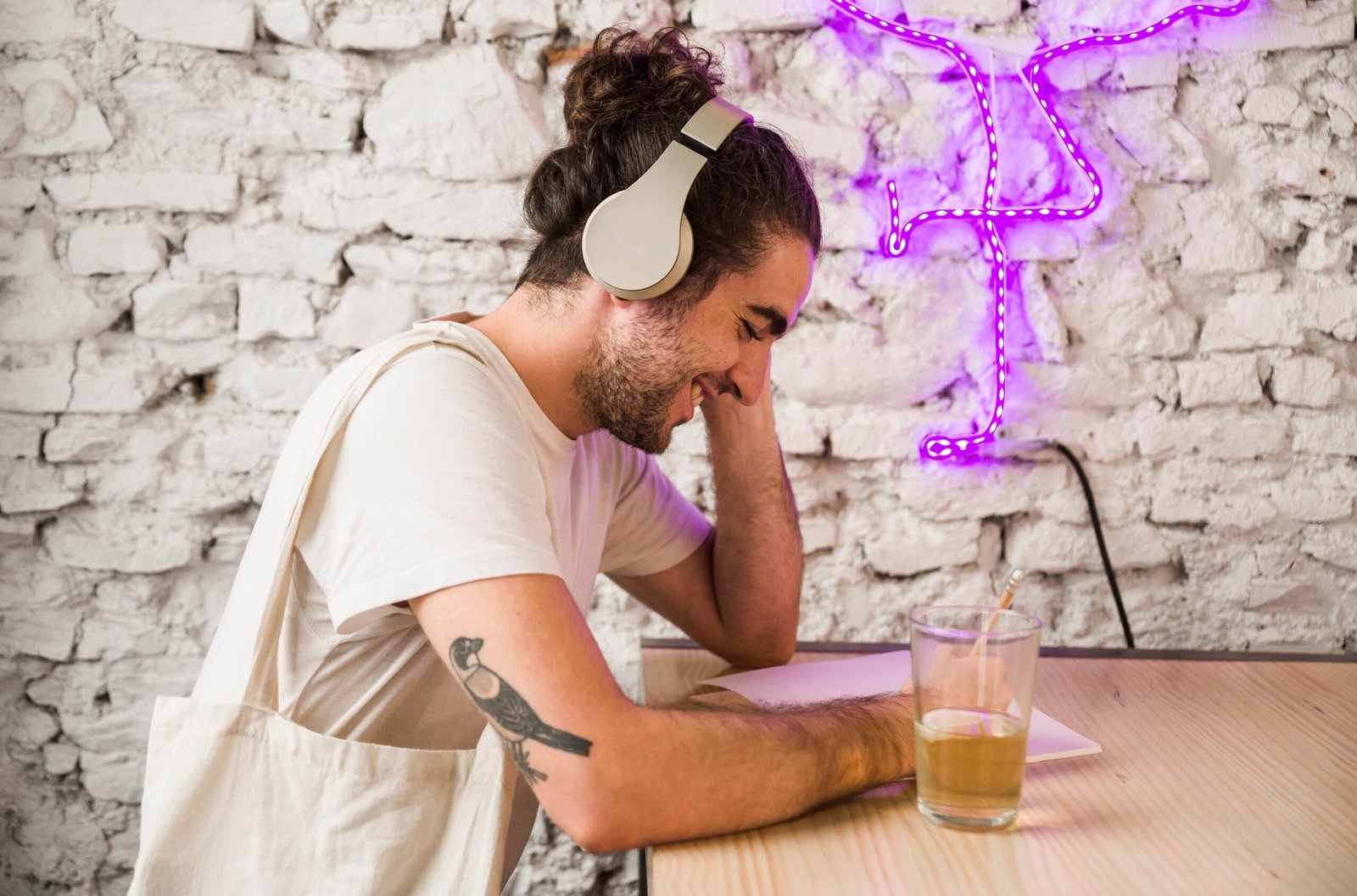
In an increasingly fast-paced and digitally saturated world, mental well-being has become a central concern across societies. Amid growing awareness around stress, anxiety, and emotional fatigue, music and art have emerged not merely as forms of expression, but as powerful tools for psychological resilience and healing.
Scientific research consistently shows that music has a direct impact on the brain’s emotional centers. Listening to or creating music can reduce cortisol levels, regulate mood, and stimulate the release of dopamine—often referred to as the brain’s “reward chemical.” According to insights shared by the American Psychological Association, music therapy has proven effective in managing anxiety, depression, and trauma-related conditions. Its ability to bypass language and connect directly with emotion makes music uniquely therapeutic.
Art, on the other hand, offers a visual and tactile pathway to mental clarity. Engaging in painting, drawing, or sculpture encourages mindfulness, allowing individuals to focus fully on the present moment. This immersive quality can quiet intrusive thoughts and promote emotional regulation. Studies highlighted by Harvard Health Publishing suggest that creative art practices activate neural pathways associated with pleasure, focus, and self-reflection—key components of mental well-being.
Beyond individual benefits, music and art foster social connection. Shared artistic experiences—concerts, exhibitions, or collaborative creative spaces—help reduce feelings of isolation and build community bonds. Organizations such as Arts Council England emphasize the role of cultural engagement in improving public mental health outcomes, particularly in urban and high-stress environments.
Importantly, the value of music and art lies not in technical mastery but in participation. One does not need to be a professional musician or artist to experience psychological benefits. The simple act of listening to a meaningful song or sketching freely can provide emotional release and mental balance.
As mental health continues to take center stage in global conversations, integrating music and art into daily life is no longer a luxury—it is a necessity. These timeless forms of human expression remind us that healing does not always come from words, but from rhythm, color, and creative connection.
