

For a lot of parents, chess can feel intimidating. It sounds serious, competitive, and maybe even a little old-fashioned. It can seem like the kind of activity meant for kids who are already “gifted” or naturally strategic.
Dan Shapiro does not see it that way.
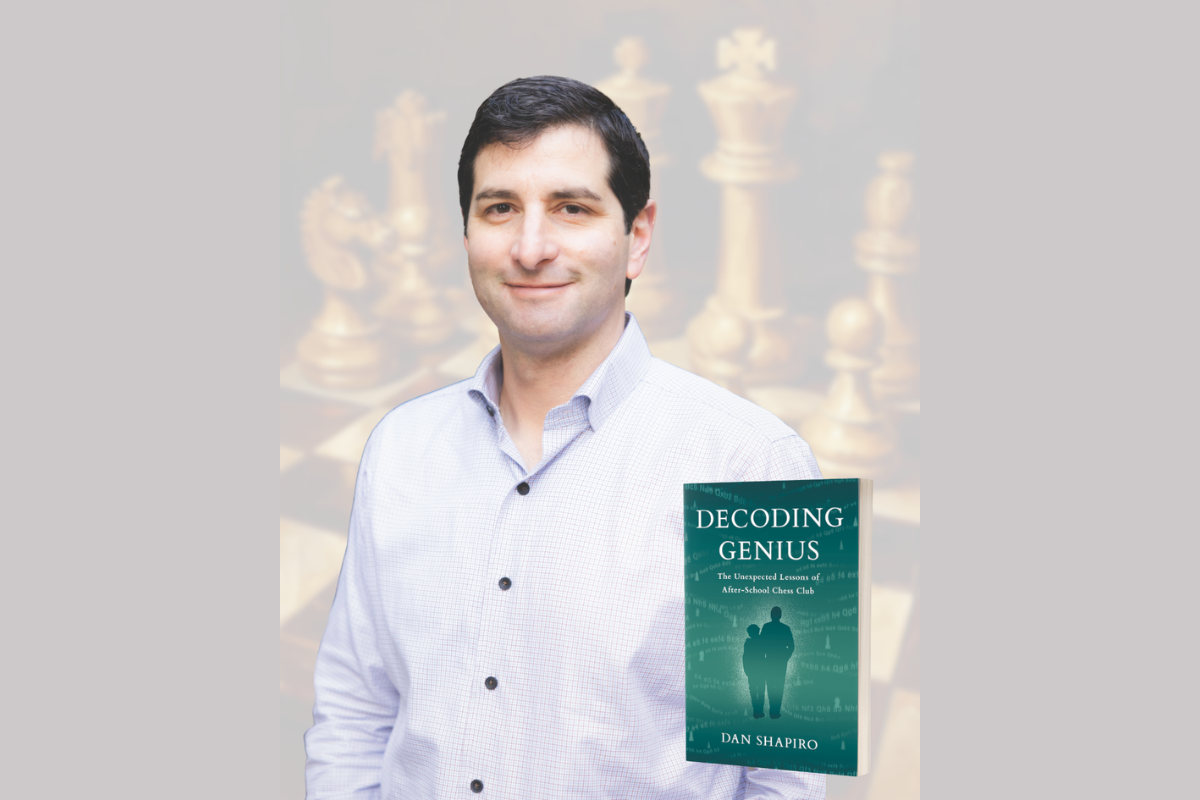
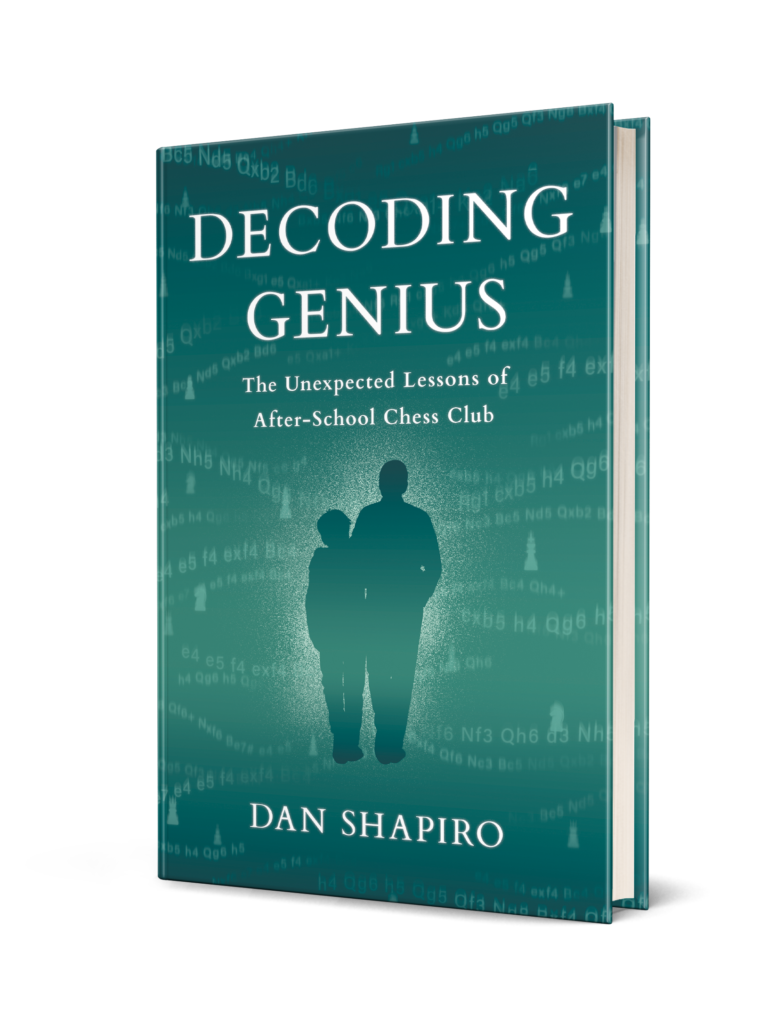
In his new book, Decoding Genius: The Unexpected Lessons of After-School Chess Club, Shapiro looks at chess through a very different lens. For him, chess is not about raising a champion or creating the next grandmaster. It is about what happens when a child is given the space to slow down, think, make a choice, and learn from what comes next.
“At first, chess seemed like just another after-school activity,” Shapiro says. “But over time, I began to notice that it was giving my son something much deeper than a game to play. It gave him a place to slow down, focus, think ahead, make decisions, and recover from mistakes without feeling judged.”
That realization sits at the heart of Decoding Genius. The book is not a technical guide to chess. It is a thoughtful, personal look at how the game can help children build skills that matter far beyond the board.
Focus. Patience. Resilience. Emotional regulation. Confidence. Decision-making.
Those are not usually the first words people associate with chess club, but Shapiro makes a convincing case that maybe they should be.
“I saw him building confidence in real time, not because someone told him he was good at something, but because he could see himself improving,” Shapiro says. “That was the moment I realized chess was teaching lessons that went far beyond the board.”
That idea feels especially relevant now, when so many parents are trying to help their children build attention, confidence, and resilience in a world full of distraction. Shapiro’s answer is refreshingly simple. Put a child in front of a chessboard and give them room to think.
One of the most important lessons, he says, is learning how to pause before acting.
“Chess teaches kids how to pause before they act. That alone is incredibly powerful,” Shapiro says. “Every move has a consequence, but every mistake also becomes part of the learning process.”
That may be one of the strongest messages in Decoding Genius. Chess gives children a safe place to make decisions and see the results. A bad move is not the end of the world. Losing a piece is not a disaster. Even losing the game does not have to feel like failure.
It becomes information.
“They learn that losing a piece, or even losing a game, does not mean they have failed,” Shapiro says. “It means they have new information. That lesson applies to school, relationships, work, and life.”
That is where the book becomes bigger than chess. Shapiro is really writing about how children learn to handle setbacks. He is writing about what confidence looks like when it is built slowly, through practice, mistakes, and small wins.
He also believes chess can be especially valuable for children who think differently, including gifted, ADHD, autistic, neurodivergent, and twice-exceptional children.
“Chess can be powerful for kids who think differently because it gives them structure and freedom at the same time,” Shapiro says. “The rules are clear, but the possibilities are endless.”
For a child who may not feel fully understood in a traditional classroom or team-sport environment, that combination can matter. Chess is visual, strategic, pattern-based, and self-paced. It allows a child to sit with a problem, consider different paths, and find a way forward.
“For kids who may not always feel successful in a traditional classroom or team-sport environment, chess can offer a different path to confidence,” Shapiro says.
That is part of what makes Decoding Genius stand out. It does not treat chess as an elite activity. It makes the game feel accessible, human, and surprisingly practical.
Shapiro is also quick to reassure parents who may think chess is too difficult or too competitive for their child.
“The goal is not to raise a chess champion,” he says. “The goal is to give kids a tool that helps them think ahead, solve problems, and build confidence.”
Parents do not need to be experts either. They do not need to know openings, memorize strategy, or understand tournament play. A short puzzle, a simple game, or even learning alongside a child can be enough to start.
“Chess becomes valuable when it is approached as a way to learn, not just a way to win,” Shapiro says.
In that sense, Decoding Genius is not really asking parents to think differently about chess. It is asking them to think differently about growth. Sometimes the most meaningful learning does not happen in the most obvious places. Sometimes it happens quietly, after school, over a board, while a child is deciding what to do next.
“Sometimes the most important lessons come from an after-school activity, a quiet moment at a chessboard, or a child discovering that they are capable of more than they realized,” Shapiro says. “For me, Decoding Genius is really about paying attention to those moments and recognizing the hidden lessons inside them.”
That may be the real strength of the book. Decoding Genius does not promise that chess will solve every problem. It offers something more grounded and, in some ways, more useful. It shows how a simple game can become a practice field for patience, focus, failure, and confidence.
And for parents looking for ways to help their children think more deeply, handle mistakes better, and trust themselves a little more, that is a lesson worth taking seriously.
______________________________________________________________________
Dan Shapiro is the author of Decoding Genius: The Unexpected Lessons of After-School Chess Club (coming summer 2026). After seeing how chess helped his son build confidence and decision-making skills during COVID, he set out to better understand the mindset behind the game and what it can teach kids beyond the board. For more information, visit DecodingGeniusBook.com
LINKS:
