

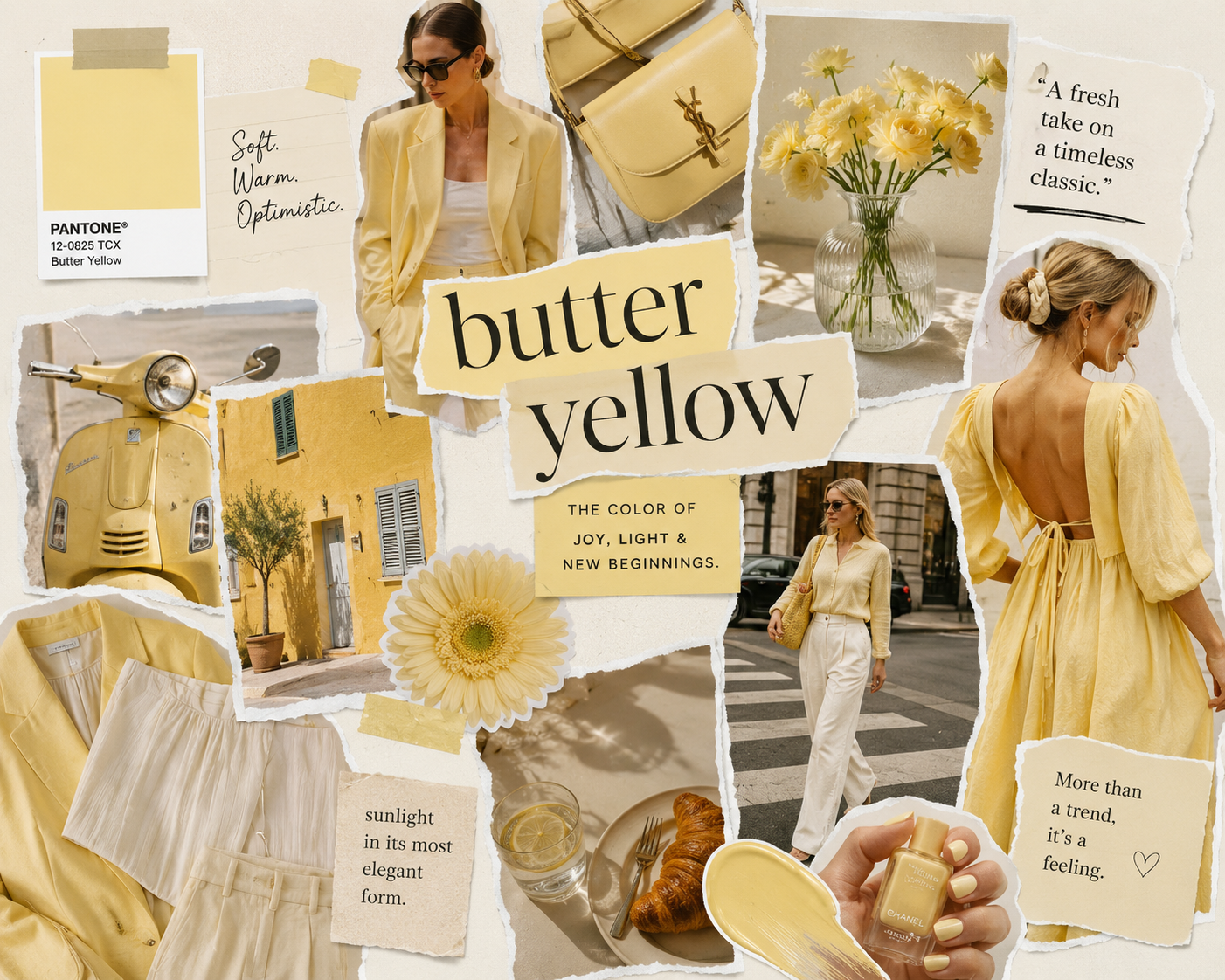
Every year, a handful of colors capture the imagination of designers, celebrities, and consumers, but only a select few evolve into defining cultural trends. In 2026, one shade has quietly emerged as fashion’s most beloved hue: butter yellow. Softer than sunshine yellow and more understated than gold, this creamy pastel is appearing everywhere—from runway collections and street style to home décor, beauty products, and social media feeds.
What makes butter yellow stand out isn’t just its versatility. It reflects a broader shift in how people want to dress, decorate, and express themselves. As consumers move away from loud statement colors and embrace a calmer, more optimistic aesthetic, butter yellow has become the perfect symbol of modern elegance.
A Softer Take on Color
Butter yellow sits somewhere between ivory and classic yellow, offering warmth without overwhelming the eye. Unlike brighter shades that demand attention, this muted tone feels effortless and approachable.
Fashion experts often describe it as a “neutral with personality.” It has enough color to brighten an outfit but remains subtle enough to pair with almost anything. This balance makes it appealing to people who want to experiment with color without stepping too far outside their comfort zone.
The result is a shade that feels fresh, sophisticated, and surprisingly timeless.
The Psychology Behind Butter Yellow
Colors influence emotions more than we often realize, and butter yellow carries associations that resonate with today’s consumers.
It evokes feelings of optimism, comfort, creativity, and calm. Unlike vibrant yellows, which can feel energetic or even overwhelming, butter yellow creates a sense of warmth and tranquility.
In a world where many people are seeking slower lifestyles and greater emotional balance, softer colors naturally feel more appealing. Fashion and interior designers alike are embracing palettes that inspire peace rather than intensity, and butter yellow fits perfectly into this movement.
It is cheerful without being loud and luxurious without feeling extravagant.
From the Runway to Everyday Style
One reason butter yellow has gained such momentum is its remarkable versatility.
Luxury fashion houses introduced the shade in flowing dresses, tailored suits, lightweight knitwear, and elegant accessories, while contemporary brands quickly adapted it for everyday wardrobes. Soon after, celebrities and influencers began incorporating butter yellow into everything from monochromatic outfits to subtle accent pieces.
Unlike seasonal colors that disappear after a few months, butter yellow works across multiple occasions.
A structured blazer instantly feels softer in butter yellow. Linen trousers gain a relaxed sophistication, while silk dresses become effortlessly elegant. Even casual essentials like T-shirts, sneakers, handbags, and baseball caps benefit from the shade’s understated charm.
Its ability to transition from day to night makes it especially attractive for modern wardrobes focused on versatility.
The Celebrity Effect
As with many fashion trends, celebrity influence has accelerated butter yellow’s popularity.
Actors, musicians, models, and fashion influencers have embraced the color for red-carpet appearances, airport style, magazine covers, and social media content. Instead of relying on bold statement hues, many are opting for softer palettes that photograph beautifully and feel timeless.
Butter yellow also complements a wide variety of skin tones, making it accessible to a broad audience. Stylists appreciate its ability to brighten complexions without overpowering natural features, while photographers value how elegantly it appears in both natural and studio lighting.
The result is a color that consistently performs well across digital platforms, encouraging even more people to embrace the trend.
Beyond Fashion: A Lifestyle Color
Butter yellow isn’t limited to clothing. It has become a defining color across lifestyle categories.
Interior designers are incorporating the shade into kitchens, bedrooms, and living spaces through painted walls, upholstered furniture, ceramics, cushions, and decorative accessories. The color introduces warmth while maintaining the clean, minimalist aesthetic that remains popular in contemporary homes.
Beauty brands have also joined the trend. Butter yellow appears in nail polish collections, eyeshadow palettes, makeup packaging, hair accessories, and fragrance branding. Its soft appearance aligns perfectly with the growing demand for natural, understated beauty.
Even cafés, boutique hotels, and wellness spaces are embracing butter yellow to create inviting environments that feel both modern and comforting.
Why It Fits Today’s Mood
Fashion trends rarely emerge in isolation—they often reflect broader cultural shifts.
Consumers today are increasingly drawn to authenticity, comfort, and longevity rather than constant novelty. Minimalism has evolved into a warmer, more personal aesthetic, replacing stark monochrome palettes with gentle earth tones and soft pastels.
Butter yellow captures this evolution perfectly.
It feels optimistic without being flashy, luxurious without appearing exclusive, and fashionable without seeming intimidating. These qualities make it particularly attractive at a time when many people are investing in versatile clothing designed to last beyond a single season.
Rather than chasing attention, today’s consumers are seeking pieces that feel joyful, wearable, and emotionally uplifting.
How to Wear Butter Yellow
One of butter yellow’s greatest strengths is its flexibility.
For those who prefer subtle fashion, the color works beautifully in accessories such as handbags, scarves, ballet flats, or sunglasses. A butter yellow cardigan paired with blue denim creates an effortless everyday look, while tailored trousers in the shade can refresh a neutral wardrobe.
Those willing to make a bolder statement can embrace monochromatic dressing by combining different textures within the same color family. A butter yellow blazer worn over a matching dress or coordinated separates creates a polished appearance without feeling overwhelming.
The shade also pairs exceptionally well with white, beige, chocolate brown, navy, olive green, soft gray, blush pink, and light blue, making it one of the easiest colors to style.
Is Butter Yellow Here to Stay?
Many seasonal colors enjoy brief moments of popularity before fading into fashion history. Butter yellow, however, appears to have greater staying power.
Its timeless softness allows it to transcend seasonal trends, while its versatility makes it suitable for wardrobes, interiors, and beauty products alike. Rather than functioning as a statement color reserved for special occasions, it behaves more like a modern neutral—easy to mix, effortless to wear, and endlessly adaptable.
Fashion analysts increasingly believe that consumers are moving toward investment pieces in wearable shades instead of constantly replacing trend-driven items. Butter yellow aligns perfectly with this philosophy.
The Bottom Line
Butter yellow is more than just 2026’s favorite color—it represents a shift in how people define style. In an era where comfort, optimism, and understated elegance matter more than ever, this soft pastel has become a symbol of modern living.
Whether worn as a flowing summer dress, incorporated into home décor, or added through subtle accessories, butter yellow offers an easy way to embrace color without sacrificing sophistication. Its gentle warmth, universal appeal, and timeless versatility explain why it has become one of the most influential shades of the year.
As fashion continues to evolve, butter yellow proves that sometimes the quietest colors make the biggest statement.
