

From luxury wellness retreats and celebrity endorsements to supplement aisles and social media discussions, NAD+ has quickly become one of the most talked-about topics in the longevity space. Promoted as a potential tool for boosting energy, supporting cellular repair, and slowing age-related decline, the molecule has attracted growing attention from both health enthusiasts and researchers.
NAD+, short for nicotinamide adenine dinucleotide, is a naturally occurring molecule found in every cell of the human body. It plays a crucial role in converting nutrients into energy and supporting various biological processes involved in cellular maintenance and repair. Scientists have long recognized its importance in metabolism, and interest has increased as research suggests NAD+ levels may gradually decline with age.
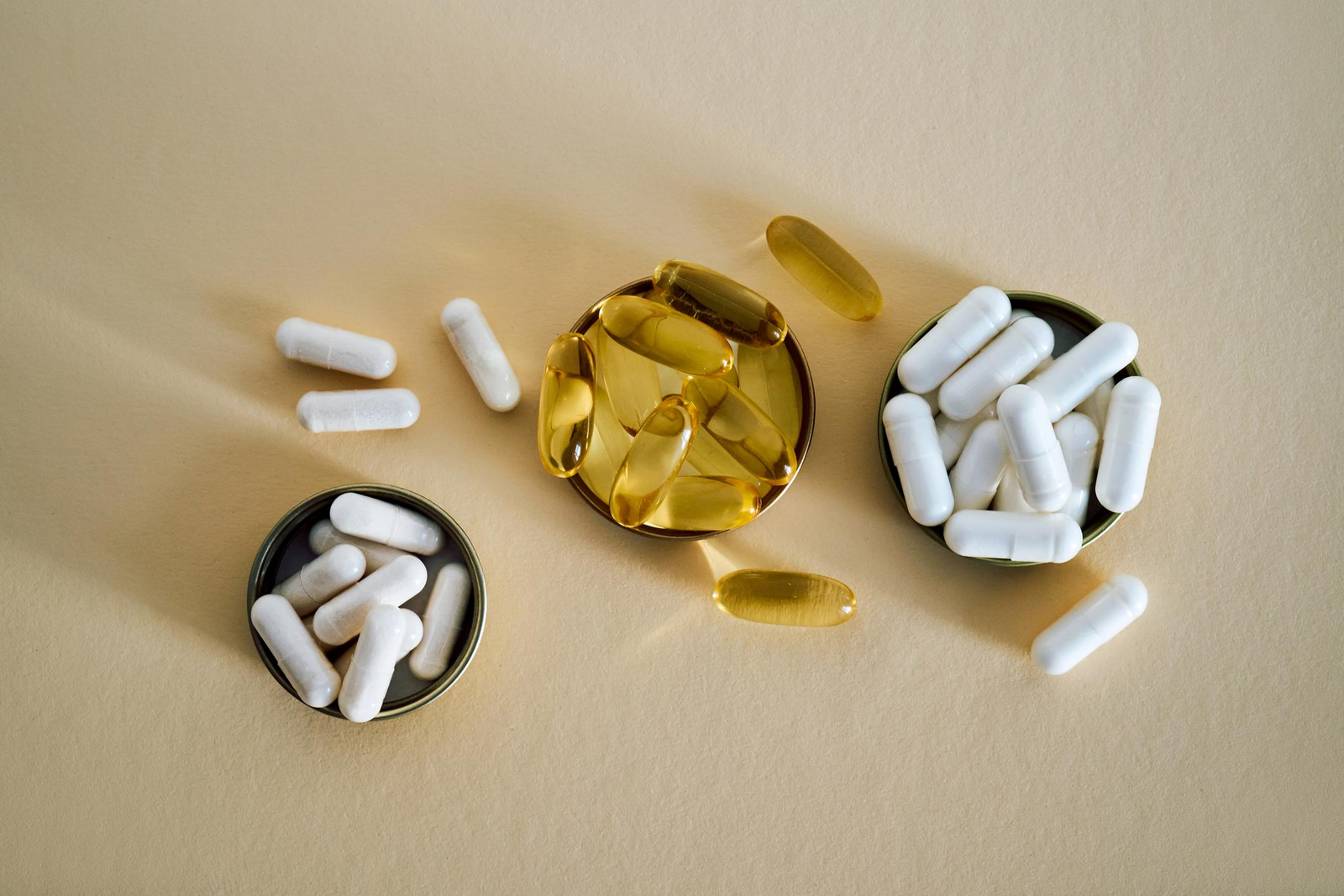
This growing interest has fueled a booming market of NAD-related products and treatments. Consumers can now find NAD+ IV drips, injections, and supplements designed to increase the body’s NAD levels. One of the most popular approaches involves nicotinamide riboside (NR), a vitamin B3 derivative that serves as a precursor the body can use to produce more NAD+. Branded versions of NR supplements have become particularly popular among wellness-focused consumers seeking potential longevity benefits.
Supporters of NAD supplementation argue that increasing NAD+ levels may help improve cellular function, energy production, and recovery processes. Researchers studying aging have explored how declining NAD+ levels could influence metabolic health, DNA repair, and overall cellular performance over time. These findings have contributed to the perception of NAD as a promising tool in the emerging field of longevity science.
However, despite the excitement, experts remain divided on whether boosting NAD+ translates into meaningful long-term health benefits. While some clinical studies have demonstrated that certain supplements can successfully increase NAD+ levels in the body, evidence linking those increases to improved health outcomes remains limited. Many researchers emphasize that raising a biological marker and delivering measurable health improvements are not necessarily the same thing.
Another point of debate involves delivery methods. IV therapies have become particularly popular in wellness clinics, though some users report side effects such as nausea, chest discomfort, or cramping during treatment. Meanwhile, supplements containing NAD precursors are often promoted as a more convenient and accessible alternative for individuals interested in supporting their body’s natural NAD production.
Importantly, NAD therapies marketed for anti-aging purposes have not received regulatory approval as proven longevity treatments. Many products are sold as dietary supplements, meaning they are not required to demonstrate effectiveness through the same standards applied to prescription medications before reaching consumers.
As interest in healthy aging continues to grow, NAD+ remains at the center of an ongoing conversation between scientific research, consumer wellness, and commercial opportunity. While the molecule itself is undeniably important to human biology, researchers agree that more long-term studies are needed before definitive conclusions can be made about the real-world benefits of boosting NAD+ levels. For now, NAD+ represents both a promising area of research and a rapidly expanding wellness trend that continues to capture public attention.
