

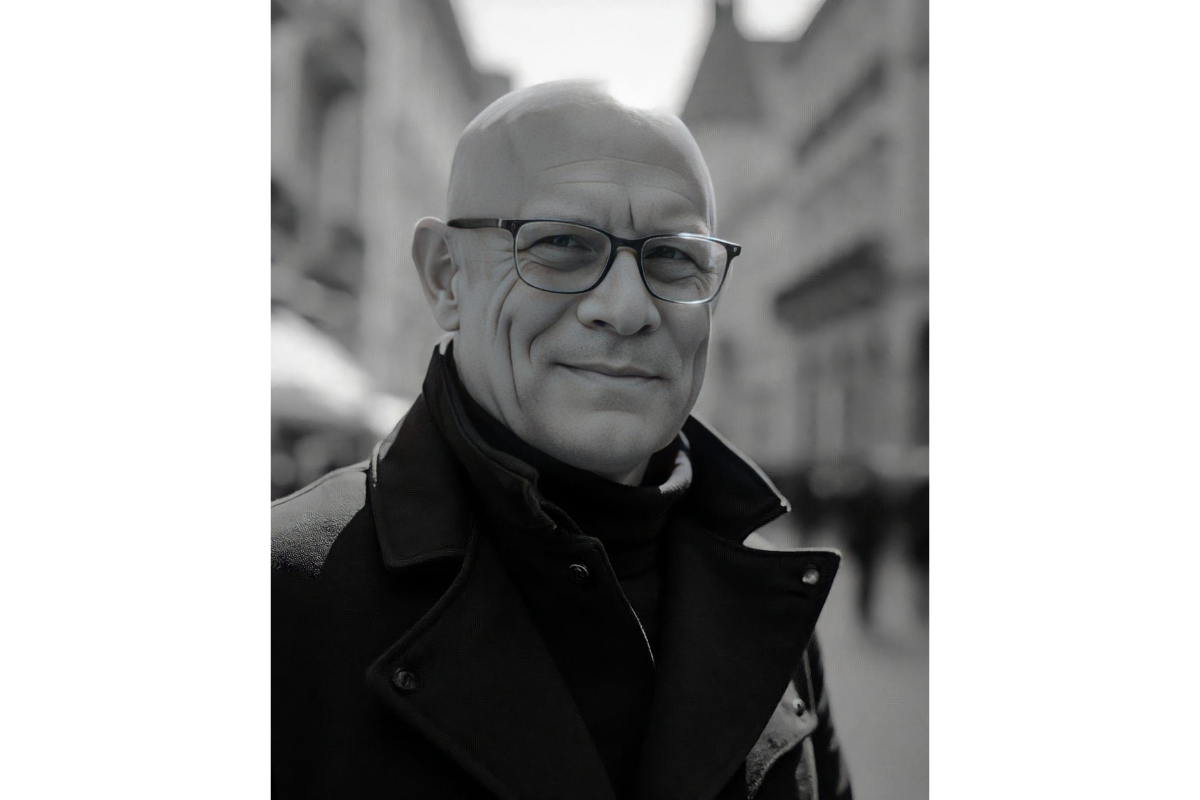
Dan Huber Was Sick for 8 Years Before He Found the Hidden Culprit
Picture this for a moment. You are a father watching your teenage daughter come home from school day after day, complaining of splitting headaches that will not quit. Meanwhile, you are battling your own mysterious health problems that doctor after doctor cannot diagnose. Your whole family is falling apart in slow motion, and nobody can tell you why.
This was Dan Huber‘s life for nearly a decade. What started as unexplained symptoms eventually sent him down a rabbit hole that would change how thousands of people think about their relationship with screens.
The trouble began after the 2008 financial crisis when Huber’s family moved into a rental home. Over the years, he dealt with crushing fatigue, brain fog, and chronic headaches. His kids developed health problems. His wife suffered a miscarriage.
When doctors finally identified mold toxicity, Huber thought he had his answer. But here is where things got interesting. During recovery research, he discovered that constant blue light exposure was amplifying his body’s reaction to that mold. All those hours on his computer were making everything worse without him having any idea.
Why Cheap Blue Light Glasses Failed Dan Huber and His Family
So naturally, Huber went looking for protection. And what he found was pretty discouraging.
Let me be real about how most of us live now. The average person spends seven to ten hours a day staring at screens. We reach for our phones before our feet hit the floor, work on laptops all day, and decompress with streaming shows until way too late. This is modern existence, and opting out is not realistic.
The question becomes: how to reduce eye strain from computer use while staying connected to work and community? Huber needed an answer, but everything fell short.
Most blue light glasses rely on cheap coatings that block maybe six percent of harmful light before scratching off. They photograph beautifully but fail at the one job they are supposed to do.
So in 2019, he built something better with his daughter Liz. Lucia Eyes uses advanced polycarbonate lenses where protective technology is embedded throughout the material rather than sprayed on top. It cannot scratch away because it is part of the lens itself. The benefits of blue light protection glasses finally show up when the protection is real and built to last.
How Daytime Blue Light Glasses Became Part of the Wellness Movement
Here is what makes Huber’s timing feel perfect. We are living through a moment where wellness has expanded beyond gym memberships and green juice. People think holistically about what makes them feel good, from sleep quality to screen habits to small choices that compound over time.
Blue light safety and health slots naturally into that conversation. Once you understand that artificial light disrupts melatonin, sleep cycles, and mood, suddenly glasses stop being about vision and start being about how you want to feel moving through your day.
Lucia Eyes built their line around this understanding. Their daytime blue light glasses block 45 to 60 percent of harmful wavelengths, enough for genuine relief without making video calls look orange. Nighttime lenses block 100 percent, letting melatonin function normally so you can actually sleep.
The aesthetic matters too. These are not clunky medical devices but genuinely stylish frames designed by Huber’s daughter and siblings, meant to blend into modern wardrobes. Taking care of yourself while looking good is not vanity. It is thoughtful design.
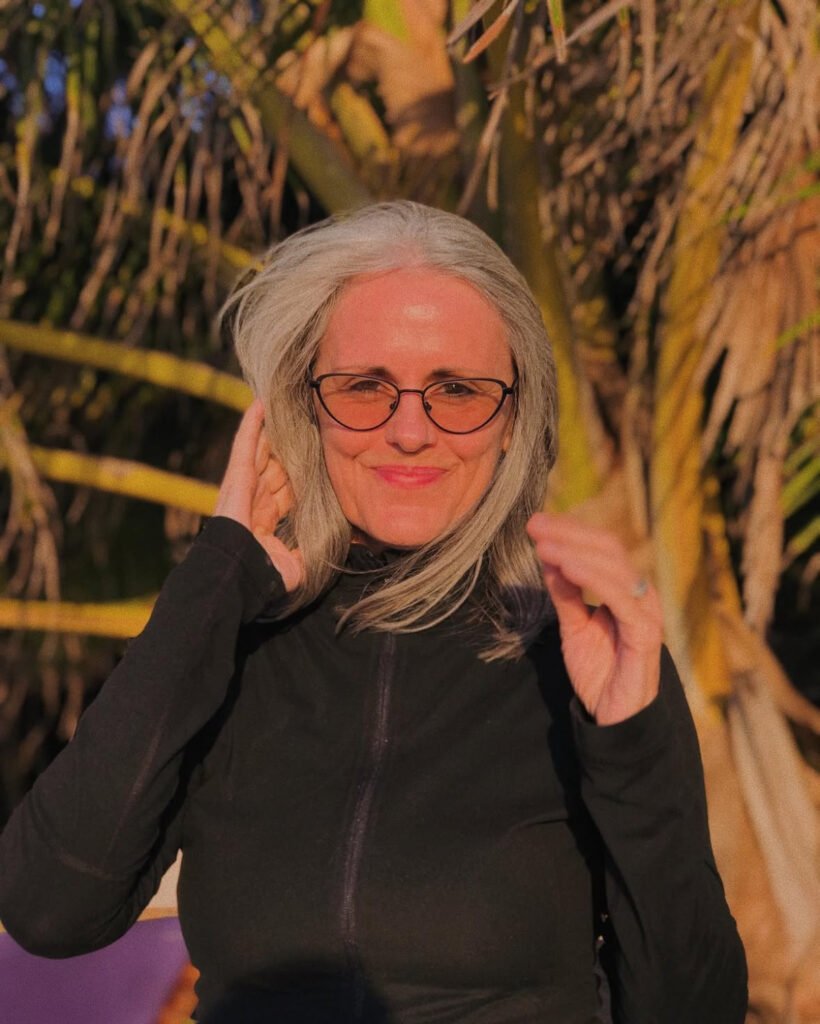
The Surprising Link Between Blue Light Glasses and Mental Wellness
This is where Huber’s story takes a deeper turn.
As Lucia Eyes grew, he started noticing what was happening with young people. In 2022, he learned suicide had become one of the leading causes of death for kids between 10 and 25. Teenagers were spending endless hours on screens, growing isolated and anxious in ways previous generations never faced.
The connection between blue light glasses and mental wellness runs deeper than comfortable eyes. It touches sleep, which affects mood. It involves reducing physical strain that compounds the psychological weight of constant connectivity.
Huber understood this deeply and personally. He watched invisible threats nearly destroy his own family and knew how quietly suffering accumulates before anyone notices.
So Lucia Eyes launched Hope Chain, a nonprofit fighting youth suicide through mental health awareness. Today, 100 percent of net profits support that mission. This is not corporate philanthropy tacked on as afterthought. This is purpose woven into why the brand exists.
The Yallcast Podcast: Continuing the Conversation Out Loud
If Lucia Eyes is Dan Huber’s answer in product form, The Yallcast Podcast is his answer in conversation form. Recorded from the historic Flatiron Building in Fort Worth, Yallcast tackles the things most people are feeling but nobody is saying out loud, including stress, burnout, purpose, digital overwhelm, and the science of light and mood. Huber hosts with a southern storyteller’s ease, making heavy topics feel approachable without softening their edges. Guests have included Paul Hutchinson, the real-life inspiration behind Sound of Freedom, therapist Dr. Lee Long, neuro-cognitive specialist Dr. Layne Pethick, and Mike Norris on what it was really like growing up as Chuck Norris’s son.
The show is designed for listeners aged 13 to 103, with a particular focus on young people between 13 and 25, the very generation at the heart of everything Huber has set out to do. It is the most direct extension of his mission yet, handing listeners something harder to package than a product or a nonprofit: the sense that someone is being genuinely honest with them. New episodes drop weekly on Apple Podcasts, Spotify, and YouTube.
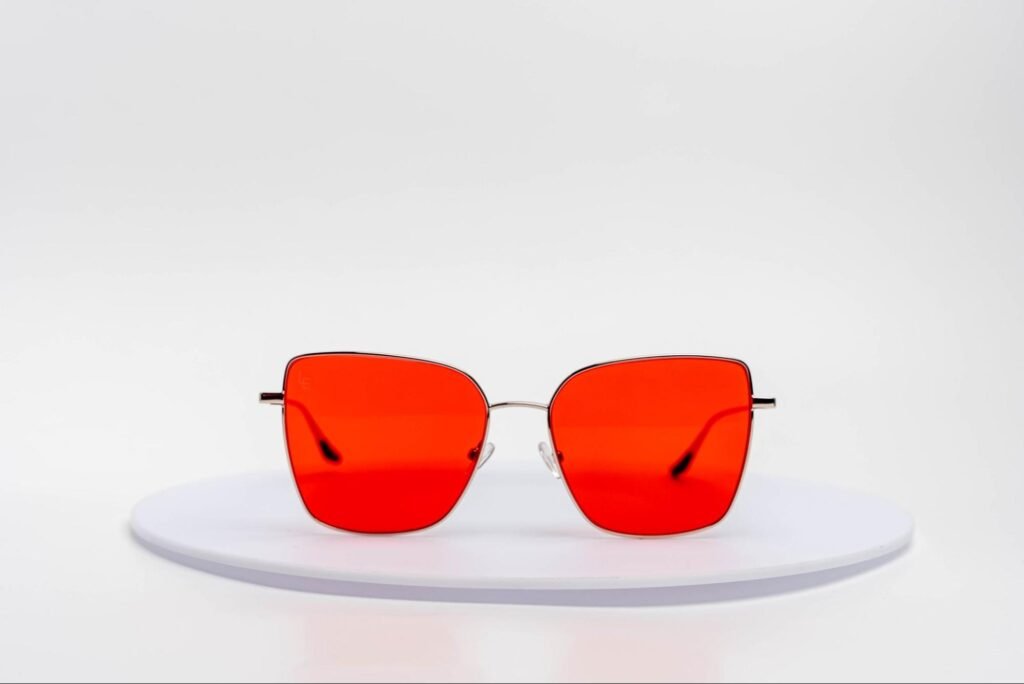
Why Dan Huber’s Lucia Eyes Speaks to How We Want to Live Now
We are navigating something unprecedented. Never have humans spent this much time bathed in artificial light, this tethered to devices, this dependent on screens for every aspect of life.
Tech companies that created this environment have zero incentive to protect us from its downsides. Their business runs on capturing attention. Protecting ourselves comes down to intentional choices, one small decision at a time.
That is what makes Lucia Eyes resonate beyond just another eyewear brand. It represents a mindset shift, recognition that caring for yourself through small daily actions is not optional anymore.
Huber never set out to build a lifestyle brand. He started because his family was suffering and he needed solutions that worked. But the values that emerged, authenticity over hype, durability over disposability, purpose alongside profit, speak directly to how many of us want to live now.
If you have ended workdays with exhausted eyes, you are not alone. If you have tossed and turned after late-night scrolling, you are definitely not alone.
We are all figuring this out together, and sometimes the most meaningful movements begin with one person deciding that feeling better matters enough to do something about it.
