

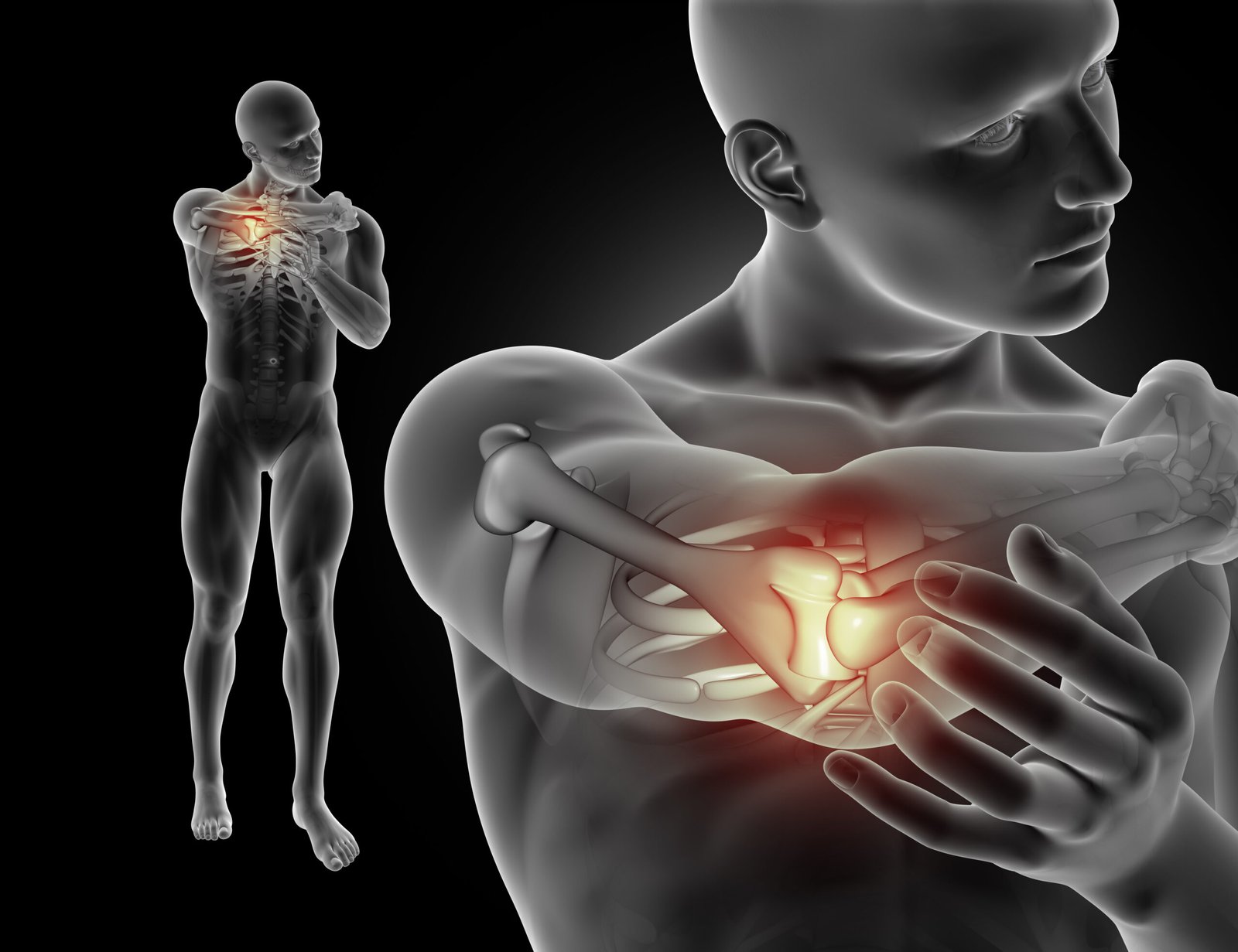
By the time winter fully settles in, many people begin to notice the same quiet change. Knees feel stiffer getting out of bed. Hips complain during long walks on icy sidewalks. Old injuries that stayed silent all summer seem to wake up as temperatures drop.
Doctors say this is not just anecdotal. Cold weather can increase joint stiffness and discomfort, particularly for people with arthritis or previous joint damage. Changes in barometric pressure may cause tissues around joints to expand slightly, increasing pressure and pain. Less movement during winter months can also lead to reduced flexibility and weaker muscles that normally support the joints.
In northern states, winter adds another layer of stress. Slippery streets encourage shorter strides and awkward movements. Heavy coats alter posture. Even the simple act of climbing stairs becomes more deliberate. All of it adds up, especially for older adults who rely on daily movement to stay limber.
Orthopedic specialists often recommend small winter adjustments to protect joints. Staying active indoors is key. Gentle stretching in the morning can help reduce stiffness. Supportive footwear with good traction lowers the risk of falls. Heat therapy such as warm showers or heating pads can improve circulation and ease soreness. These steps may help many people get through the colder months more comfortably.
But winter also has a way of revealing deeper problems.
If joint pain becomes persistent rather than occasional, or if stiffness does not ease with movement, it may be a sign of more advanced joint degeneration. Other red flags include pain that interferes with sleep, difficulty standing from a seated position, swelling that does not subside, or a noticeable loss of mobility. When everyday activities like grocery shopping or walking a few blocks start to feel daunting, doctors say it is time to take the symptoms seriously.
Across the country, joint replacement surgeries are rising as the population ages and expectations around mobility change. More people are choosing not to live with chronic joint pain, especially as surgical techniques and recovery protocols improve. Procedures that once required lengthy hospital stays are increasingly performed on an outpatient basis, allowing patients to return home the same day.
Alongside these shifts, the technology inside the operating room is evolving as well. While robotic systems tend to grab headlines, a quieter category of surgical tools is gaining traction. One example is OrthAlign, a medical device company that develops handheld navigation technology used during joint replacement procedures. Their systems provide real-time alignment guidance to surgeons using compact sensor-based tools rather than large consoles.
The appeal of this approach is partly practical. As more joint replacements move into outpatient surgery centers, there is growing demand for technology that improves precision without adding complexity. Handheld navigation tools are designed to fit into existing workflows, supporting accuracy while keeping procedures efficient.
For patients, these innovations may feel far removed from the ache that starts on a cold morning. But they are connected. Winter discomfort often begins as a seasonal nuisance, then becomes a signal. Paying attention to those signals can make the difference between managing joint health early or waiting until pain reshapes daily life.
As temperatures drop, joint care becomes more than a comfort issue. It is a reminder that mobility is not just about movement. It is about independence, confidence, and the ability to keep participating in everyday life, no matter the season.
