

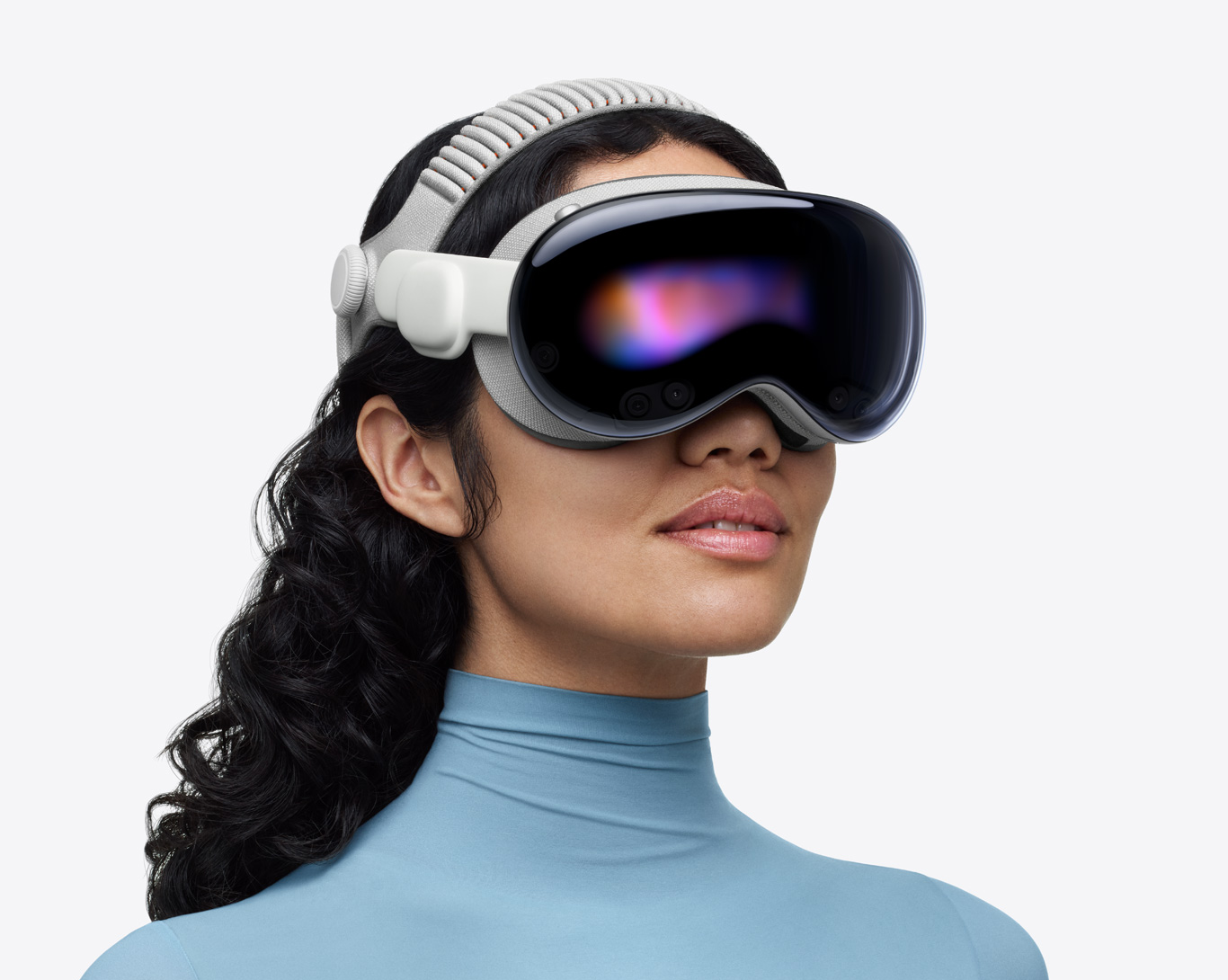
For nearly two decades, the smartphone has been the center of modern life—our camera, wallet, office, and social hub compressed into a glowing rectangle. But in 2026, something has shifted. Quietly, deliberately, and faster than many anticipated, the tech industry’s most powerful players are preparing for a future where the phone is no longer the primary interface.
Instead, the next computing battle is being fought on our faces, wrists, and ears.
From spatial headsets to AI-powered glasses, wearable devices are no longer accessories. They are becoming the interface itself. And companies like Apple, Meta, and OpenAI are betting that artificial intelligence—not apps—will finally break the smartphone’s dominance.
The Smartphone’s Invisible Decline
Smartphones are not disappearing because they failed. They are disappearing because they peaked.
Year-over-year improvements have become incremental rather than transformational. Cameras get slightly better. Screens get marginally brighter. Batteries last a bit longer. For consumers, the upgrade cycle has slowed. For tech companies built on growth, that stagnation is an existential problem.
At the same time, behavior has shifted. People increasingly want technology that fades into the background rather than demands constant attention. The friction of pulling out a phone, unlocking it, opening an app, and navigating menus feels outdated in an era where AI can respond instantly to voice, context, and intent.
Wearables promise something smartphones cannot: presence without distraction.
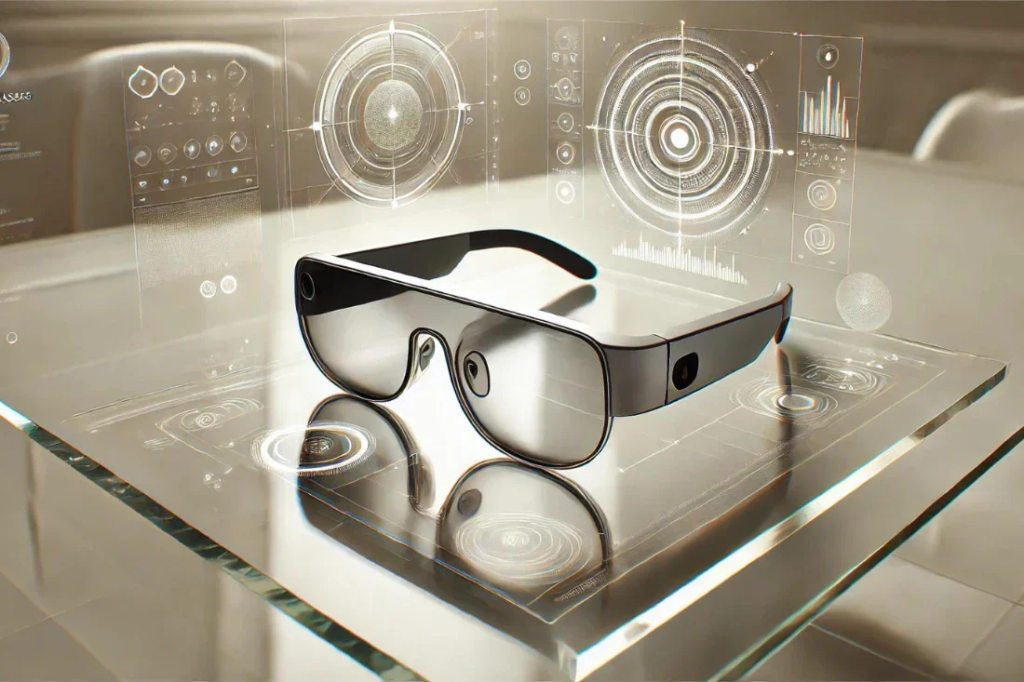
Apple’s Post-iPhone Strategy
Apple rarely abandons a product category outright. Instead, it evolves past it.
The release of Apple Vision Pro made headlines for its price and limited adoption, but its strategic importance was widely misunderstood. Vision Pro was never meant to replace the iPhone overnight. It was a signal—a proof of concept for a future where computing is spatial, contextual, and hands-free.
Behind the scenes, Apple has been investing heavily in on-device AI, neural processing, and lightweight wearable hardware. The long-term goal is clear: reduce dependence on screens and shift toward interfaces that respond naturally to voice, eye movement, and environment.
In that future, the phone becomes a secondary device—still present, but no longer central.
Meta’s Aggressive Wearable Push
While Apple moves methodically, Meta is playing volume and speed.
Its Ray-Ban smart glasses, developed with EssilorLuxottica, marked a turning point. Earlier smart glasses failed because they tried to do too much. Meta’s succeeded because they did less—focusing on audio, cameras, and AI assistance rather than full augmented reality.
The next generation pushes even further. With built-in AI capable of real-time translation, object recognition, and contextual prompts, Meta is positioning wearables as everyday companions rather than tech novelties.
Crucially, Meta understands something smartphone makers often overlook: people do not want to look like they are using technology. Glasses feel social. Phones feel isolating.
OpenAI and the Death of the App
Perhaps the most disruptive force in this shift is OpenAI—not because it makes hardware, but because it is redefining how software works.
AI assistants eliminate the need for traditional apps. You no longer “open” a service; you ask for an outcome. Order food. Summarize messages. Find a location. Translate a conversation. The interface collapses into conversation.
OpenAI’s partnerships with hardware designers signal a future where AI is embedded directly into wearables, always listening (with consent), always contextual, and always available. In that model, the smartphone’s app grid feels obsolete.
Why tap when you can speak?
Why scroll when the system already understands intent?
Why Wearables Win Where Phones Fail
The appeal of AI wearables is not novelty—it is efficiency.
Wearables reduce friction. They shorten the distance between thought and action. They integrate with the real world instead of pulling users away from it. For younger generations raised on ambient technology, this feels natural.
There is also a psychological shift underway. Screen fatigue is real. Notifications feel invasive. Social feeds feel exhausting. Wearables promise utility without overload—information when needed, silence when not.
That balance is something smartphones were never designed to provide.
The Smartphone Isn’t Dead—But It’s No Longer the Star
None of this means smartphones will vanish tomorrow. They will remain essential for creation-heavy tasks, deep work, and legacy systems. But their role is changing.
The smartphone is becoming infrastructure—important, invisible, and increasingly secondary.
AI wearables, on the other hand, are becoming the interface layer between humans and digital systems. They are faster, more intuitive, and more aligned with how people actually live.
The companies leading this shift are not loudly declaring the end of the phone. They do not need to. Their roadmaps already say enough.
The next era of computing will not live in your pocket.
It will live on you.
