

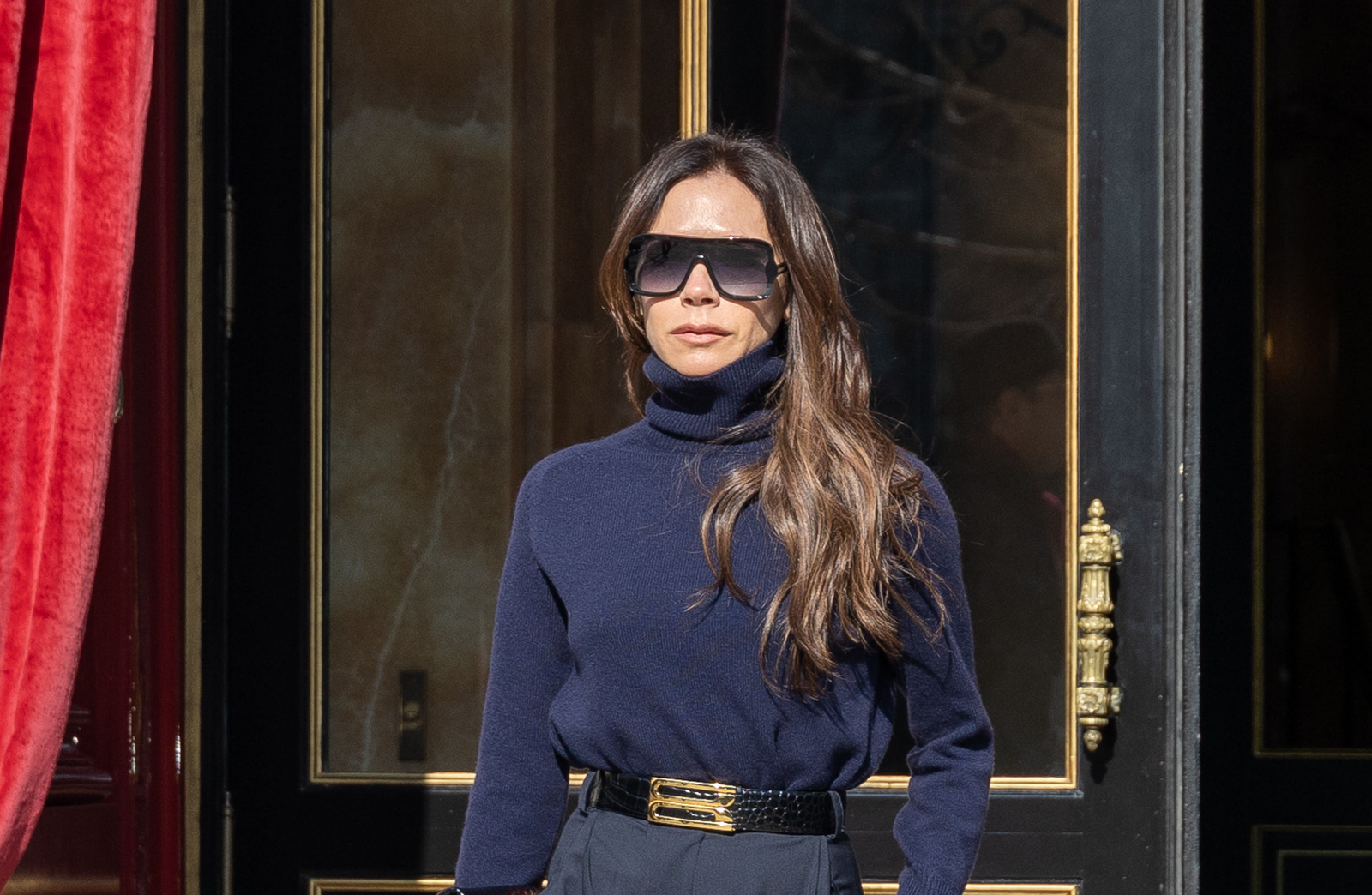
Subtle luxury, stealth wealth, and the rejection of logos
In 2026, fashion’s loudest statement is barely audible.
After years dominated by logo saturation, viral micro-trends, and hyper-visible consumption, the industry is undergoing a recalibration. Enter Quiet Flex—a style movement defined not by what you show, but by what you know. It is luxury without spectacle, wealth without validation, and confidence without explanation.
This is not minimalism for minimalism’s sake. Quiet Flex is intentional restraint, worn by a generation increasingly suspicious of overt status symbols and algorithm-driven taste.
From Loud Luxury to Silent Signaling
For over a decade, luxury fashion relied on visibility. Logos grew larger. Collaborations became louder. Scarcity was marketed through hype rather than craftsmanship. But as luxury prices soared and access widened through resale and fast fashion mimicry, logos lost their power to signify exclusivity.
What replaced them was discernment.
Quiet Flex fashion prioritizes cut, fabric, proportion, and longevity over brand recognition. It is the difference between being seen and being understood. The wearer is not signaling wealth to the masses, but taste to those who recognize it.
In short: if everyone can identify the logo, it no longer flexes.
The Cultural Shift Behind Quiet Flex
Quiet Flex did not emerge in a vacuum. It is a response to several converging cultural forces:
- Luxury fatigue: Consumers are increasingly aware of inflated pricing and manufactured scarcity.
- Economic anxiety: Overt displays of wealth feel tone-deaf in uncertain times.
- Digital oversaturation: Social feeds are crowded with identical “it” items.
- Taste fragmentation: Individual style now outranks trend participation.
Younger consumers, particularly Gen Z professionals and creatives, are opting out of conspicuous consumption. Instead of asking, “What brand is that?” the new question is, “Where did you find that?”
Brands That Define the Quiet Flex Aesthetic
Quiet Flex does not mean anti-luxury. It means selective luxury.
Labels like The Row have become shorthand for the movement—immaculate tailoring, neutral palettes, and zero visual noise. Similarly, Loro Piana continues to thrive by investing in materials so rare and refined they speak for themselves.
Other brands operating in this space include Bottega Veneta (post-logo era), Totême, and Khaite—labels recognized less by branding and more by silhouette.
The common thread is not price point, but philosophy: design that rewards attention, not attention-seeking.
Stealth Wealth vs. Old Money Aesthetic
Quiet Flex is often conflated with “old money” style, but the distinction matters.
Old money fashion references heritage, tradition, and inherited taste. Quiet Flex, by contrast, is modern and self-aware. It borrows the restraint of old money but strips away the nostalgia. It is not about lineage—it is about literacy.
A Quiet Flex outfit might include:
- A perfectly cut wool coat with no visible branding
- Loafers made by a small Italian workshop
- A vintage watch chosen for design, not resale value
- Tailoring that fits precisely, not trendily
Nothing screams. Everything whispers.
The Rejection of Logos Is a Power Move
Logos once acted as shortcuts—instant indicators of taste, wealth, and belonging. In 2026, rejecting them has become its own form of power.
Wearing logo-free clothing requires confidence because it removes external validation. There is no safety net of recognition. If the look works, it is because the wearer made it work.
This shift mirrors broader cultural movements toward authenticity and intentionality. Quiet Flex consumers are less interested in being aspirational and more focused on being accurate representations of themselves.
Social Media’s Role—Ironically
Despite its anti-hype ethos, Quiet Flex has flourished online.
Platforms like TikTok and Instagram now reward nuance over flash. “Fit check” videos focus on tailoring details. Comments ask about fabric weight and origin, not just brand tags. The algorithm has learned that subtlety can be compelling—especially when positioned as insider knowledge.
Quiet Flex is not invisible. It is legible only to the right audience.
Why Quiet Flex Is Here to Stay
Quiet Flex is not a trend—it is a correction.
As fashion cycles accelerate and trends burn out faster than ever, consumers are investing in pieces that last aesthetically and materially. The movement aligns with sustainability, but more importantly, with self-possession.
In a culture obsessed with announcing everything, choosing not to announce becomes radical.
In 2026, the most convincing flex is not what you wear loudly—but what you wear confidently, without explanation.
