


In many families, addiction does not arrive as a headline event. It seeps in quietly, wrapping itself around daily life until shame and stigma become the only constants. From the first whispered suspicion to the final unbearable loss, those two forces follow families everywhere.
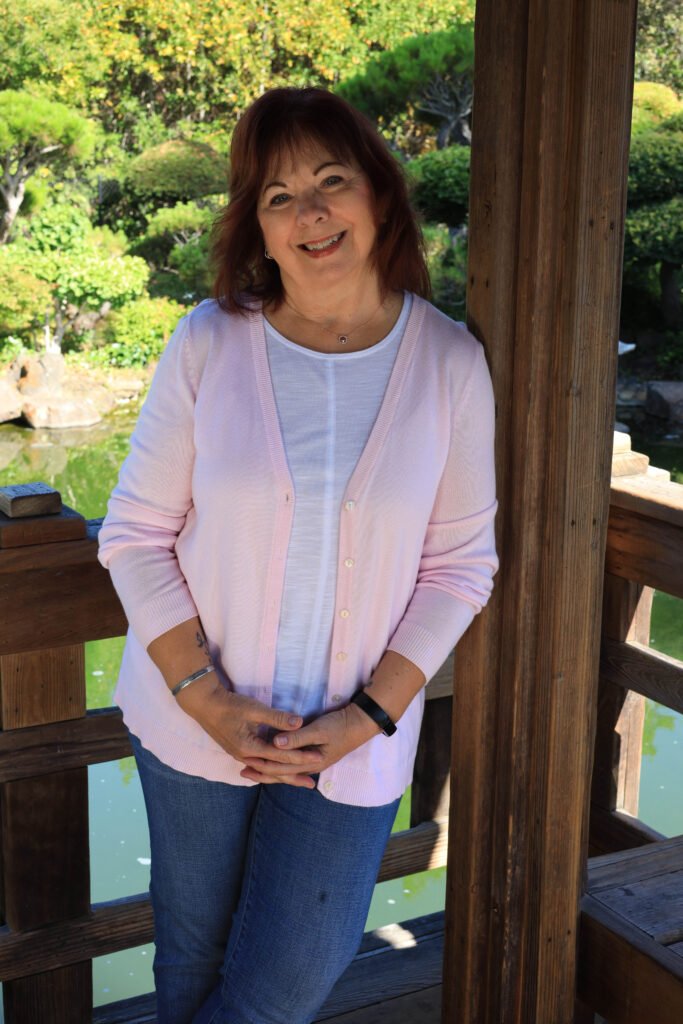
Pattie Vargas of The Resilient Journey, an Author and Grief Coach with a graduate degree in Organizational Management, understands this continuum intimately. Her professional background includes Change Management, Team Development, Leadership Coaching, Project Management, and Adult Education. Years spent guiding people through organizational and personal change prepared her for a deeply personal shift in focus. When two of her three children struggled with Substance Use Disorder, theory collided with reality. In 2017, her son Joel died from his addiction. Later, her daughter Bekah entered treatment after years of barriers and inequities. Throughout it all, shame and stigma trailed the family like a shadow.
She recalls every careless remark. One person described her son’s death as a self-inflicted wound. Those words did not simply sting; they revealed how society often minimizes these deaths, quietly ranking them as less important. What she wishes the world understood is clear: Addiction is a family disease. It is a community disease. It does not discriminate by income, education, or how fiercely someone is loved.
A System Built on Barriers
The life cycle of addiction exposes cracks in every system. A person who uses drugs enters treatment, sometimes by court order. They detox and attend therapy if it is available. After 30, 60, or 90 days, insurance coverage ends. Some move into transitional housing, but many return to the same environments with fewer resources than before.
They may have no car and no stable home. They must attend classes or submit to random drug screenings while holding a minimum wage job. The obstacles accumulate, and it can feel as though the system expects failure. In truth, the system reflects years of bias and cynicism.
Pattie Vargas advocates for recovery-ready communities that recognize addiction as a chronic disease requiring long-term care. Detox and rehab are only steps in a long process. Sustainable reentry requires wrap-around support across education, healthcare, criminal justice, and aftercare. One size will never fit all. Communities must treat Substance Use Disorder with the same seriousness given to other chronic illnesses. People who use drugs are not bad: they deserve treatment and supportive services, just as anyone living with a chronic illness would receive.
Families also deserve respect. Too often, they are labeled as enabling or co-dependent. In reality, they are traumatized, exhausted, and desperate to help. Family members, however you define family, should be an integral part of healing rather than viewed as part of the problem through stigmatizing language.

After the Unthinkable
The trauma continues after a loved one dies. In many cases, it intensifies. Parents and relatives often struggle to find grief support that acknowledges the decades of fear and instability that came before the loss. Traditional spaces may not recognize the unique pain of losing someone to substance use.
Through her Grief Processing model at The Resilient Journey, Pattie Vargas creates space to remember and honor loved ones without judgment. Her certifications include Compassionate Bereavement Care Certified Provider, Kessler Certified Grief Educator, CRAFT and Invitation to Change Approach Certified, Peer Parent Grief Coach, and Grief Circle Facilitator. Recognitions such as the Arthur Liman Public Interest Award 2025 and Architect of Recovery reflect her commitment, but her deepest qualification is lived experience.
If you are feeling isolated in your trauma and grief, there is a community for you. There is hope and healing after losing your loved one to substance use. Your story matters, and your child’s life mattered.A better approach to addiction begins with connection. It begins when communities reject punishment and choose compassion. It continues when families refuse to let shame have the final word.
