

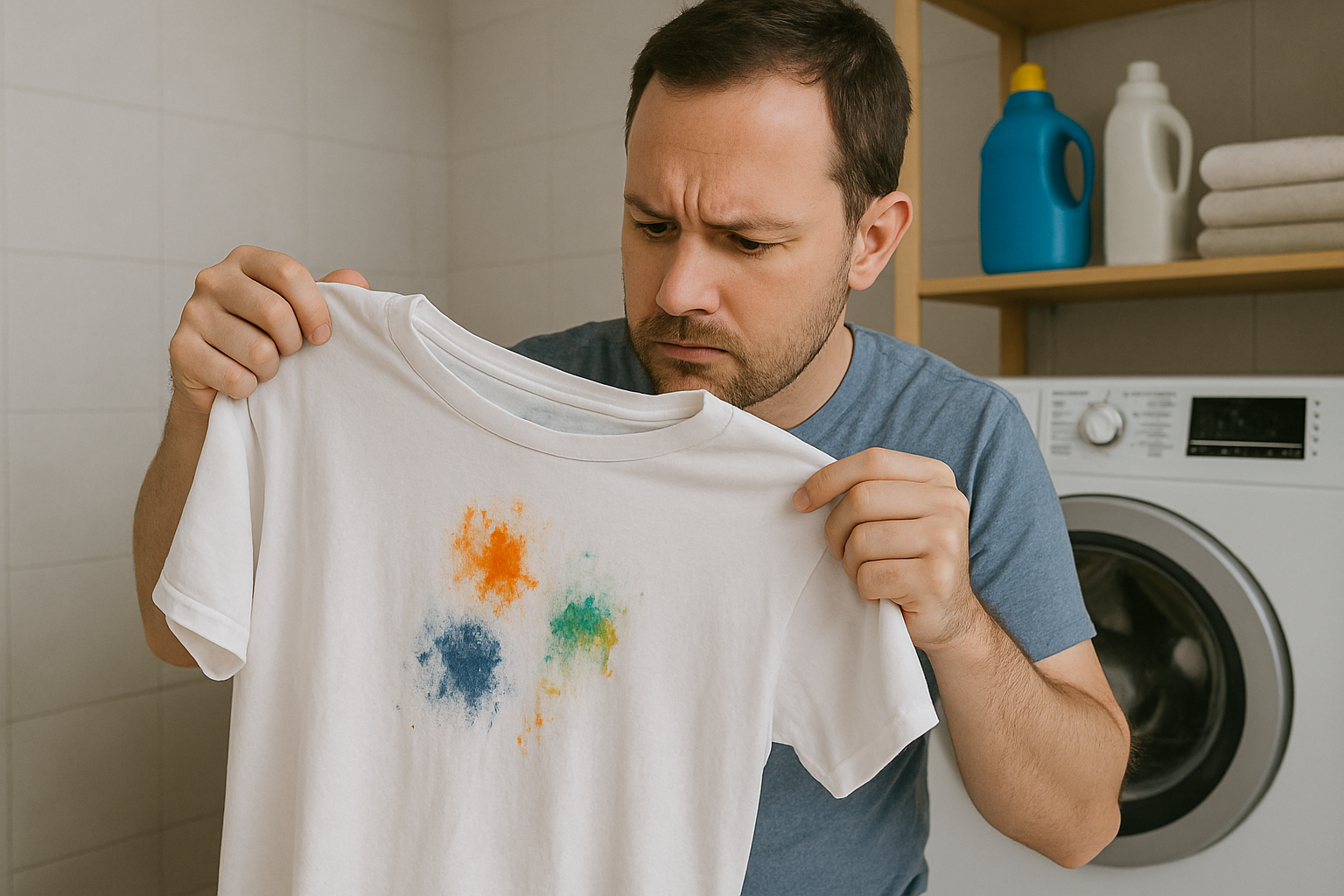
How to get paint out of clothes becomes urgent when you notice splatter on your favorite shirt. Paint stains happen during home improvement projects, art sessions, and craft activities. The bright colors stand out against the fabric, looking permanent and hopeless. However, most paint stains can be removed completely with quick action and proper techniques.
Success depends heavily on paint type and how quickly you treat the stain. Water-based paints like acrylics and latex respond well to simple treatments. Oil-based paints require stronger solvents and more patience. Fresh paint comes out much easier than dried paint bonded to fabric fibers.
This guide covers effective methods for removing both fresh and dried paint from clothing. You’ll learn which household items work best for different paint types.
What Paint Types Stain Clothes Most Often?
Understanding paint composition helps you choose the right removal method. Different paint formulas require different treatment approaches for effective stain removal.
Water-based paints include acrylics, latex, and tempera, commonly used in homes. These paints use water as the primary solvent and binding agent. They clean up easily with soap and water when fresh. Once dried, they become more stubborn but still respond to treatment.
Oil-based paints use petroleum-based solvents and dry to a harder finish. House paints, enamels, and some artist oils fall into this category. These paints don’t respond to water-based cleaning methods. Solvents like mineral spirits or turpentine work better for removal.
Spray paints present unique challenges due to fine mist application. The tiny particles penetrate fabric deeply and dry quickly. Both water-based and oil-based spray paints exist in the market. Check the can label to determine which type you’re dealing with.
According to research on stain removal from textiles, identifying stain composition before treatment increases successful removal rates significantly.
How To Get Paint Out Of Clothes: Fresh Water-Based Paint
Fresh water-based paint responds best to immediate treatment. Acting within minutes dramatically increases your chances of complete removal.
Step-by-step removal process:
- Scrape off excess paint immediately using a spoon or dull knife
- Flush the stained area with cold water from the back of the fabric
- Apply liquid dish soap or laundry detergent directly to the damp stain
- Work the soap into the fabric using your fingers or a soft brush
- Let the soap sit for 5-10 minutes to penetrate the stain
- Rinse thoroughly with cold water while rubbing the fabric together gently
Repeat the soap application and rinsing until no more paint releases. This process may take several cycles for complete removal. Wash the garment in your washing machine using regular detergent. Use the warmest water temperature safe for the fabric type. Check the stain before drying because heat can set remaining paint.
How To Get Paint Out Of Clothes: Dried Water-Based Paint
Dried water-based paint requires more aggressive treatment than fresh stains. The paint has bonded to fabric fibers but can still be removed.
Scrape away dried paint chunks using a dull knife or a hard brush. Work carefully to avoid damaging fabric while removing surface paint. Soak the stained area in warm water for 30 minutes minimum. This softens dried paint and makes it more receptive to treatment.
Apply rubbing alcohol or hand sanitizer directly to the dried paint stain. These products break down acrylic paint bonds effectively. Blot the stain with a clean cloth, working from the outside edges inward. You should see paint transferring to the cloth.
For stubborn dried stains, make a paste from baking soda and water. Spread the paste over the stain and let it sit for 15 minutes. The mild abrasive action helps lift paint from fabric. Scrub gently with an old toothbrush in circular motions.
Quality bedding and clothing withstand these treatments better when made from durable, high-quality fabrics.
How To Get Paint Out Of Clothes: Oil-Based Paint
Oil-based paint requires different solvents than water-based varieties. These methods work for fresh or slightly dried oil-based stains.
Blot fresh oil-based paint immediately with paper towels or clean rags. Don’t rub because that spreads paint and pushes it deeper. Apply gentle pressure to absorb as much paint as possible.
Apply mineral spirits or paint thinner to the stain using a clean cloth. Work in a well-ventilated area because these solvents produce strong fumes. Dab the solvent onto the paint, allowing it to dissolve the stain. According to EPA safety guidelines for paint solvents, proper ventilation and skin protection matter when using these products.
Blot repeatedly with clean cloths as the paint dissolves into the solvent. Replace cloths frequently to avoid redistributing paint. Continue until no more paint transfers to the cloth.
Apply liquid dish soap after solvent treatment to remove oily residue. Dish soap cuts through petroleum-based products effectively. Work the soap into the fabric thoroughly before rinsing with warm water.
For easier laundry maintenance overall, many people prefer antimicrobial towels that stay fresh longer between washes.
What Household Items Remove Paint From Clothes?
Several common household products work effectively for paint stain removal. These items provide alternatives when you lack specialty products.
Effective household paint removers:
- Rubbing alcohol dissolves many dried acrylic paints without damaging most fabrics
- Hair spray contains alcohol and solvents that tackle small paint stains
- Nail polish remover with acetone cuts through various paint types effectively
- White vinegar helps with water-based paint when combined with dish soap
- Turpentine or mineral spirits work for oil-based paints in ventilated areas
Rubbing alcohol at 70% or higher concentration works best for dried acrylics. Apply generously and blot repeatedly for best results. Hair spray works particularly well on small spray paint spots.
Test nail polish remover on hidden fabric areas first. Acetone can damage some materials and dissolve acetate fabrics completely. Apply with cotton balls and blot gently when safe to use.
How To Remove Spray Paint From Clothes?
Spray paint creates especially challenging stains due to fine particle size. These particles penetrate deeply and dry quickly on contact.
Act immediately when spray paint hits clothing if possible. Blot fresh spray paint with paper towels before it dries. Don’t rub because that drives tiny particles deeper into weave.
Apply rubbing alcohol or acetone-based nail polish remover to spray paint stains. These solvents break down spray paint effectively. Dab with cotton balls, replacing them as they absorb paint. Work from stain edges toward the center.
Use a soft-bristled toothbrush to work solvent into fabric gently. The mechanical action helps lift paint particles from between fibers. Brush in small circular motions without excessive pressure.
For dried spray paint, try commercial graffiti removers designed for fabric. Follow product instructions carefully and test on hidden areas first.
What Common Mistakes Should You Avoid?
Several errors make paint removal harder or damage clothing permanently. Avoiding these mistakes improves your success rate significantly.
Critical mistakes to avoid:
- Never put paint-stained clothes in the dryer before complete stain removal
- Don’t use hot water on fresh paint stains initially
- Avoid rubbing fresh paint aggressively into fabric
- Don’t mix different solvents together without knowing chemical compatibility
- Never skip testing cleaning products on hidden fabric areas first
Heat sets paint stains permanently into fabric fibers through dryer use. Always air dry and verify complete removal first. Hot water can also set certain paint types before you’ve removed them.
Rubbing pushes paint deeper between fibers and spreads the stain outward. Blot and dab instead of rubbing or scrubbing initially for better results.
Can All Paint Stains Be Completely Removed?
Paint removal success depends on several factors beyond just treatment method. Some situations make complete removal impossible despite best efforts.
Fresh paint stains almost always come out completely with proper treatment. Quick action within minutes of staining provides the best results. Even dried water-based paint usually responds well to persistent treatment.
Old, set-in paint stains prove much more difficult to remove entirely. Paint that’s been through multiple wash and dry cycles bonds permanently. You may lighten these stains, but rarely remove them completely.
Fabric type affects removal success significantly, too. Natural fibers like cotton generally release paint more easily. Synthetic fabrics may trap paint more stubbornly in their structure.
For clothing you truly value, professional dry cleaning offers the best chance. Experts have access to stronger solvents and specialized techniques.
Quality cooling sheets and clothing made from durable fabrics withstand stain treatments better than cheaper alternatives.
Protect Your Clothes From Future Paint Stains
Prevention beats removal every time for paint and clothing. Simple precautions save you time and protect your favorite garments effectively.
Wear old clothes designated specifically for painting and messy projects. Keep these work clothes separate from regular wardrobe items. Use painter’s coveralls or aprons when doing extensive painting work.
Cover your lap and work surface with drop cloths when painting. This catches drips and spatters before they reach your clothing. Keep paint removal supplies readily available during painting projects.Having rubbing alcohol, soap, and clean cloths nearby enables immediate treatment. Quick action makes removal much easier when accidents happen. Visit Miracle Made for durable bedding that withstands frequent washing when paint accidents affect linens.
