

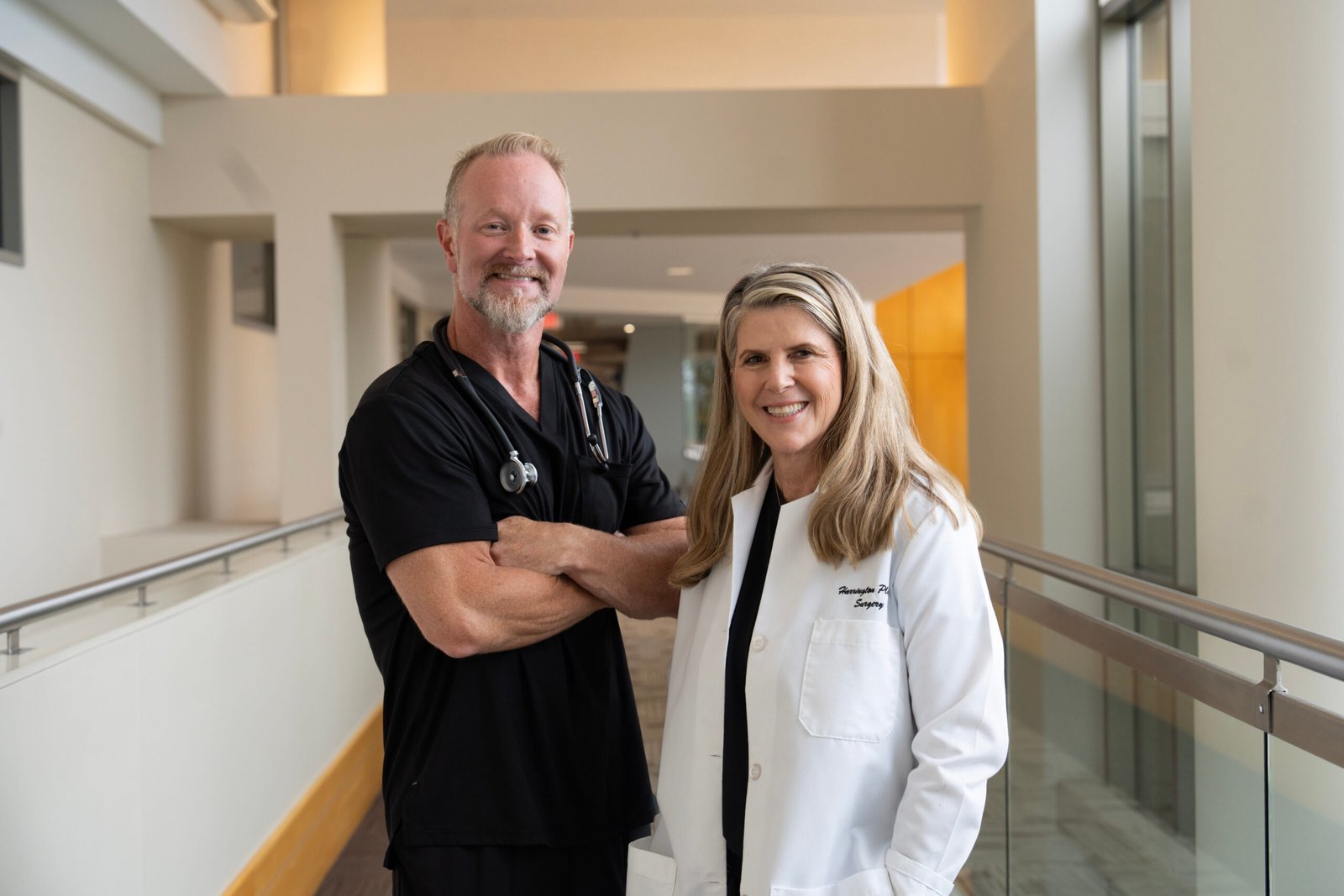
Losing weight is an admirable goal. And if you are like many people trying to transform your health and physique for the better, you might wonder if newer technologies can help you reach that goal faster. Dr. Jennifer Harrington, founder of Twin Cities-based Harrington + Associates Plastic Surgery, says that her clients overwhelmingly ask about two interventions: liposuction and GLP-1 treatment.
Liposuction is one of the most established procedures in the plastic surgery world. However, contrary to what some people believe, it isn’t a general weight loss treatment. Although it would be convenient to vacuum away all excess fat, liposuction focuses on removing smaller fat deposits that persist despite diet and exercise interventions.
“Liposuction is not a substitute for weight loss, but it can be an excellent option for people who are close to their ideal body weight but struggle with stubborn fat in specific areas,” says Dr. Harrington. “Many of my clients start thinking about liposuction if they have isolated fatty deposits despite good overall general health and fitness or pockets of fat that prevent their clothing from fitting comfortably.”
If you are looking to lose weight, you shouldn’t turn to liposuction to help you do so. However, if you have already lost several pounds and need some help with residual, stubborn fat, liposuction might be a viable add-on.
For many of those about to embark on a weight loss journey, GLP-1 medications have a certain allure. In the pop culture world, GLP-1s have been touted as a “miracle” drug for weight loss. However, Dr. Harrington cautions her clients against viewing these treatments as a magic pill.
People taking GLP-1s still have to put effort into a healthy lifestyle, and these medications are not the right choice for everyone. Before approving a client for GLP-1 treatment, Dr. Harrington discusses their goals with them and helps them understand whether weight loss injections are a good fit.
“Good candidates for our program are within 50 pounds of their target weight and under 70 years of age,” she explains. “They also have no history of liver disease, pancreatic cancer or disease, endocrine tumors, or thyroid cancer.”
Dr. Harrington points out that although GLP-1 treatment often leads to rapid weight loss, many clients are dissatisfied with how they look right after treatment.
“After losing significant weight, many people struggle with lax muscle tone, loose skin, wrinkles, and pockets of remaining fat,” she says. “All of our clients taking GLP-1s get exclusive pricing discounts on non-surgical solutions to help tighten skin, build muscle, and improve their overall physique.”
On its own, liposuction isn’t considered a weight loss treatment. However, if you are someone who has lost a substantial amount of weight (with or without GLP-1s), you might find that you still have frustrating “problem areas.” When this happens, targeted liposuction can help you clear these final hurdles on your journey toward your dream physique.
Whether you are just looking to shed a few pounds or you are preparing to completely transform yourself, you have countless options for medical assistance.
Dr. Harrington encourages her clients to remember that there’s no one-size-fits-all solution for lasting weight loss. But when you work with a practitioner who understands your aims and medical history, you’ll be much more likely to achieve the body you have been picturing for yourself.
