

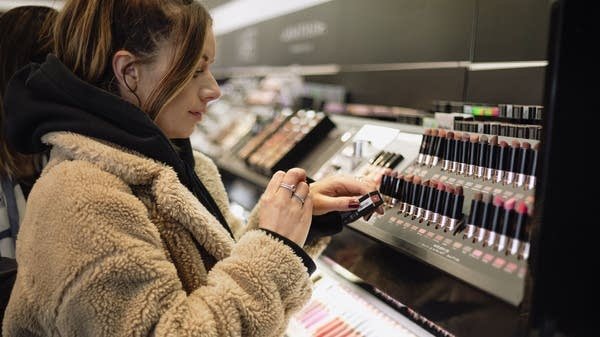
Consumer spending habits are changing. Many people are becoming more careful about how they spend their money. Instead of buying expensive cars, designer bags, or luxury homes, consumers are finding happiness in smaller, more affordable luxuries. These may include premium coffee, skincare products, fine chocolates, scented candles, stylish accessories, or a relaxing weekend experience.
This trend shows that people increasingly value everyday comfort, personal happiness, and meaningful experiences. Small luxuries allow consumers to enjoy a premium lifestyle without making a large financial commitment.
But why are small luxuries becoming more important than big purchases? The answer lies in changing lifestyles, financial awareness, social media influence, and the desire to enjoy life’s simple pleasures.
What Are Small Luxuries?
Small luxuries are affordable products or experiences that make everyday life feel more special. They are not essential purchases, but they provide comfort, enjoyment, or a sense of personal satisfaction.
Examples of small luxuries include:
- Drinking specialty coffee from a favourite café.
- Buying premium skincare or beauty products.
- Wearing stylish jewellery or accessories.
- Purchasing high-quality perfumes.
- Enjoying a spa treatment or relaxing massage.
- Buying fresh flowers or luxury home fragrances.
- Choosing a special dessert after a busy day.
Unlike major luxury purchases, these items usually cost less and can fit into a regular budget. They allow people to experience a little pleasure without spending a large amount of money.
1. Rising Living Costs Are Changing Consumer Behaviour
One major reason behind the growing popularity of small luxuries is the rising cost of living. Housing, food, transportation, healthcare, and other everyday expenses can leave consumers with less money for expensive purchases.
As a result, people are becoming more selective about their spending. They may delay buying a luxury car or an expensive designer handbag but still treat themselves to a premium coffee, a quality beauty product, or an affordable fashion accessory.
These smaller purchases provide enjoyment without the same financial pressure as major investments.
Consumers are not necessarily giving up luxury. Instead, many are finding more affordable ways to enjoy it.
2. Everyday Happiness Matters More Than Ownership
For many consumers, luxury is no longer only about owning expensive things. It is also about how a product makes them feel.
A comfortable morning routine, a relaxing evening, or a favourite fragrance can improve the experience of an ordinary day. These moments offer personal satisfaction without requiring a significant financial commitment.
For example, someone may enjoy using premium skincare every morning more than occasionally purchasing an expensive fashion item. Another person may prefer dining at a favourite restaurant once a month rather than buying a costly watch.
This reflects a shift towards personal well-being and everyday enjoyment.
3. Social Media Is Influencing Small Luxury Trends
Social media platforms such as Instagram, TikTok, and Pinterest have helped make small luxuries more visible. Influencers and content creators regularly share beauty routines, coffee experiences, affordable fashion finds, home décor ideas, and self-care habits.
These trends encourage consumers to make ordinary activities feel more special.
The idea of creating a premium lifestyle does not always require expensive products. A beautifully presented breakfast, an attractive room fragrance, or a simple jewellery piece can create a similar feeling of personal style.
Social media also makes it easier for consumers to discover emerging brands and affordable alternatives to high-end products.
However, consumers should remember that online trends can encourage unnecessary spending. A small luxury is most valuable when it fits personal needs and financial priorities.
4. Personalisation Makes Small Luxuries More Attractive
Modern consumers often look for products that reflect their personalities, tastes, and lifestyles.
Personalised perfumes, customised jewellery, premium gift boxes, unique accessories, and tailored beauty products offer a sense of individuality.
Small luxury products can also make thoughtful gifts. A carefully selected fragrance or a personalised accessory may feel more meaningful than a costly item chosen without considering the recipient’s preferences.
Brands that offer personalisation, attractive packaging, quality materials, and memorable customer experiences can build stronger relationships with their customers.
This is particularly important in beauty, fashion, jewellery, food, and home décor markets.
5. Experiences Are Becoming Part of Modern Luxury
Small luxuries are not limited to physical products. Experiences are also becoming an important part of modern consumer spending.
People may spend money on a weekend brunch, a short wellness session, a pottery workshop, a boutique café visit, or a relaxing staycation.
These experiences can create memories and provide a break from daily responsibilities.
For some consumers, spending on experiences feels more rewarding than buying another physical product. The value comes from enjoyment, relaxation, social connection, or learning something new.
Businesses that combine quality products with memorable experiences can benefit from this changing preference.
6. What Small Luxuries Mean for Luxury Brands and Businesses
The growing interest in affordable indulgence creates opportunities for businesses across different industries.
Luxury brands can introduce smaller product sizes, entry-level collections, affordable accessories, and giftable items. Beauty brands can offer travel-sized products, while jewellery businesses can create stylish everyday designs at accessible prices.
Restaurants and cafés can attract customers through premium ingredients, attractive presentation, and personalised service.
The key is to provide genuine value. Consumers may be willing to pay more for quality, convenience, design, and a better experience, but they still expect their money to be well spent.
Businesses should also avoid assuming that every consumer wants the cheapest option. Many customers are willing to spend a little extra when a product feels special and meets their expectations.
7. Can Small Luxuries Replace Big Purchases?
Small luxuries cannot completely replace major purchases because consumers have different needs and financial goals. A home, vehicle, or important household item may serve a practical purpose that a small indulgence cannot fulfil.
However, small luxuries can change how people think about spending. Instead of measuring success only through expensive possessions, consumers may increasingly value comfort, quality, personal expression, and enjoyable daily routines.
The best approach is to balance occasional treats with long-term financial priorities. Consumers can enjoy affordable luxuries while saving for larger goals, paying essential expenses, and avoiding unnecessary debt.
Conclusion
Small luxuries are becoming more important because they offer an accessible way to enjoy quality, comfort, and personal happiness. Rising living costs, changing consumer values, social media, personalisation, and the growing interest in experiences are all contributing to this trend.
For consumers, small luxuries can make everyday life more enjoyable without requiring major spending. For businesses, they create opportunities to connect with customers through affordable premium products and meaningful experiences.
Ultimately, modern luxury is not always about buying the most expensive thing. It is increasingly about choosing the things that make everyday life feel better.
