

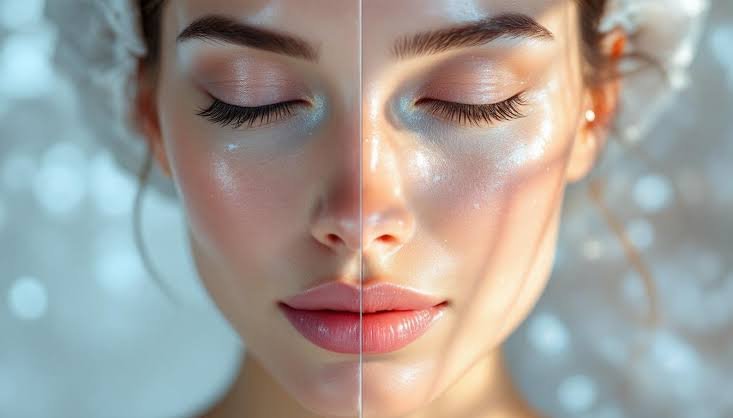
The beauty industry is changing as consumers look for products that do more than improve their appearance. Makeup-skincare hybrids have become increasingly popular because they combine the benefits of makeup with skincare ingredients in one product. From tinted moisturizers and hydrating foundations to lip oils and skin-tint serums, these products offer an easy way to achieve a fresh look while caring for the skin.
The growing demand for simple beauty routines, natural-looking makeup, and skin-friendly formulas has helped makeup-skincare hybrids become an important beauty trend. Consumers now want products that feel comfortable, look natural, and fit easily into their daily lives.
But why do makeup-skincare hybrids continue to dominate beauty? The answer lies in convenience, innovation, changing consumer preferences, and the growing focus on healthy-looking skin.
What Are Makeup-Skincare Hybrids?
Makeup-skincare hybrids are beauty products designed to provide both cosmetic coverage and skincare benefits. Instead of using separate products for every step, consumers can choose formulas that combine multiple functions.
For example, a tinted moisturizer provides light coverage while adding hydration. A serum foundation offers a makeup finish with a lightweight, skincare-inspired texture. Similarly, lip oils add shine while helping lips feel soft and moisturized.
Common examples of makeup-skincare hybrid products include:
- Tinted moisturizers: Combine hydration with light skin coverage.
- Serum foundations: Offer complexion coverage in lightweight, serum-inspired formulas.
- Lip oils: Provide shine and help condition the lips.
- BB and CC creams: Combine complexion coverage with additional skincare or color-correcting benefits.
- Hydrating concealers: Help cover dark circles and blemishes while providing a comfortable finish.
- SPF makeup: Some foundations, tinted moisturizers, and lip products include sun-protection ingredients.
These products appeal to people who want effective beauty routines without using too many products.
1. Consumers Want Simpler Beauty Routines
One of the biggest reasons makeup-skincare hybrids continue to grow is convenience. Modern consumers often prefer routines that save time without sacrificing results.
Traditional beauty routines may involve a moisturizer, primer, foundation, concealer, and other complexion products. Hybrid formulas can combine some of these functions, making everyday makeup easier to apply.
For busy professionals, students, and people who prefer minimal makeup, a tinted moisturizer or serum foundation can be a practical choice.
However, hybrid products do not automatically replace every skincare step. Consumers should still choose products according to their skin type, individual needs, and the level of coverage they want.
2. The Natural Makeup Trend Is Driving Demand
Natural-looking makeup remains an important influence on modern beauty preferences. Many consumers want their skin to look fresh and radiant rather than heavily covered.
Makeup-skincare hybrids support this trend through lightweight textures, sheer coverage, and comfortable finishes. Instead of hiding every natural feature, these products can help even out the complexion while allowing freckles and skin texture to remain visible.
Serum foundations, tinted moisturizers, and hydrating concealers are especially suitable for people who prefer a soft, skin-like finish.
This approach also makes makeup more flexible. Consumers can apply a small amount for everyday wear or build coverage when they want a more polished look.
3. Skincare Ingredients Are Becoming More Important in Makeup
Consumers increasingly pay attention to the ingredients in their beauty products. They want to understand what they apply to their skin and how different formulas may support their skincare goals.
As a result, beauty brands are introducing makeup products with ingredients commonly associated with skincare.
Hyaluronic acid is often used in hydrating formulas, while niacinamide appears in some products designed to support the skin barrier and improve the appearance of uneven skin tone. Glycerin is another common ingredient that helps attract and retain moisture.
The actual benefits depend on the formula, ingredient concentration, and how the product is used. The presence of a skincare ingredient on a label does not guarantee a specific result.
For consumers, the main attraction is the combination of cosmetic performance and additional skin-focused benefits in a single product.
4. The Beauty Industry Is Focusing on Skin Comfort
Heavy or uncomfortable makeup can be a concern for people who wear cosmetics for long hours. Makeup-skincare hybrids often appeal to these consumers because many formulas are designed to feel lightweight and blend easily.
Hydrating foundations and tinted moisturizers can help reduce the dry appearance that sometimes occurs with makeup, particularly when the skin is already dry.
People with oily or acne-prone skin may prefer lightweight, non-comedogenic formulas, although the suitability of any product depends on its complete formulation and individual skin response.
Consumers with sensitive skin should review ingredient lists and patch-test new products when appropriate. A product marketed as skincare-inspired or clean beauty is not automatically suitable for everyone.
5. Social Media Is Influencing Hybrid Beauty Trends
Beauty creators and makeup artists play an important role in introducing consumers to new products. Short videos, product comparisons, tutorials, and everyday makeup routines make it easier for people to discover hybrid formulas.
Content featuring glowing skin, minimal makeup, and quick beauty routines has helped bring attention to products such as skin tints, lip oils, and serum foundations.
Social media also encourages consumers to compare textures, coverage, wear time, and finish before purchasing a product.
However, online popularity does not always mean a product will work for every person. Skin type, climate, personal preferences, and application techniques can all affect the final result.
6. Makeup-Skincare Hybrids Support Flexible Beauty Choices
Another reason these products remain attractive is their versatility. Consumers have different expectations from their beauty routines, and hybrid products provide options for different occasions.
A light skin tint may be ideal for a casual day, while a medium-coverage serum foundation can work for professional settings or evening events. A tinted lip balm or lip oil can provide a polished appearance without requiring a complicated lip routine.
This flexibility also makes hybrid products useful for travel and everyday handbags because consumers can carry fewer separate products.
Still, choosing the right formula matters more than buying a product simply because it combines multiple benefits.
7. What Should Consumers Look for When Buying Hybrid Beauty Products?
Before purchasing a makeup-skincare hybrid, consumers should consider several factors.
Skin type: Dry skin may benefit from moisturizing formulas, while oily skin may prefer lighter textures and a less shiny finish.
Coverage: Tinted moisturizers usually offer lighter coverage than many foundations. Consumers should choose according to their preferred makeup look.
Ingredients: Check the ingredient list for known sensitivities and look for ingredients suited to individual needs.
Shade matching: The right shade should blend naturally with the complexion. When possible, test the product in natural light.
Sun protection: If a product contains SPF, follow its application instructions. Makeup with SPF should not automatically replace a dedicated sunscreen, especially when too little product is applied to achieve the labeled protection.
Wear and finish: Consider whether the formula suits the local climate, daily activities, and desired finish.
These factors can help consumers select products that deliver both the cosmetic appearance and comfort they expect.
The Future of Makeup-Skincare Hybrids
Makeup-skincare hybrids are likely to remain an important part of beauty because they reflect broader consumer preferences for convenience, comfortable textures, and multifunctional products.
Future developments may include more shade options, improved wear performance, lightweight formulas, and products designed for specific skin needs. Brands may also focus on clearer ingredient information and better explanations of what their formulas can realistically achieve.
At the same time, consumers are becoming more informed. They increasingly expect beauty products to deliver meaningful performance rather than relying only on attractive packaging or marketing claims.
The brands that balance effective makeup results, well-formulated skincare ingredients, inclusive shades, and honest communication will be better positioned to earn consumer trust.
Conclusion
Makeup-skincare hybrids continue to dominate beauty conversations because they combine convenience, natural-looking coverage, and skincare-inspired formulas. They offer consumers an easier way to build everyday beauty routines while choosing products that suit their preferences and skin needs.
From tinted moisturizers to serum foundations and lip oils, these multifunctional products reflect a wider shift toward practical, flexible beauty. Although no single formula works for everyone, makeup-skincare hybrids provide more choices for people who want makeup that feels comfortable and fits their daily lives.
As the beauty industry continues to evolve, the connection between skincare and makeup is likely to remain a major influence on product development and consumer purchasing decisions.
