

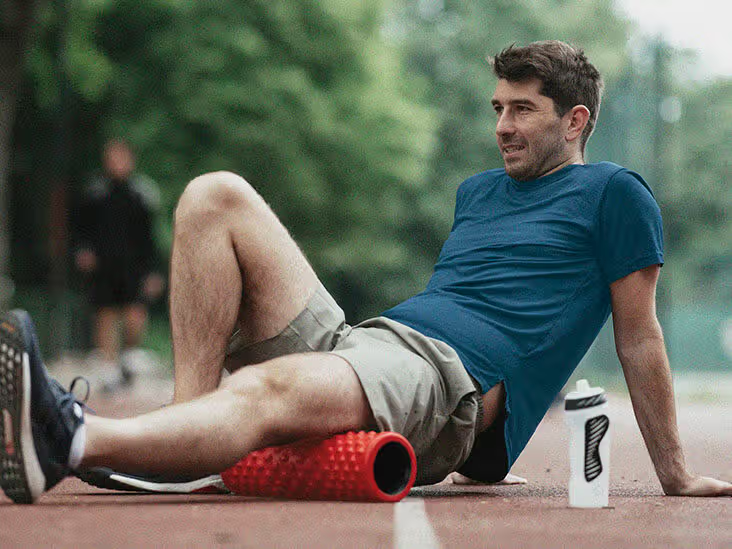
Exercise is important for building strength, improving fitness, and maintaining good health. However, what you do after a workout is just as important as the exercise itself. Many people believe that harder training always leads to better results, but the body also needs enough time to recover.
This is where active recovery comes in. Active recovery means doing light physical activities after intense exercise or on rest days to help your body recover without putting too much stress on your muscles.
From walking and gentle cycling to yoga and stretching, active recovery is becoming an important part of modern fitness routines. But what does your body actually need after exercise, and how can you recover more effectively?
What Is Active Recovery?
Active recovery is a low-intensity activity performed after a workout or between demanding training sessions. Unlike complete rest, which involves little or no physical activity, active recovery keeps your body moving at a comfortable pace.
For example, after a difficult strength-training session, you might take a 15-minute walk, do gentle stretching, or ride a stationary bike at a relaxed speed.
The goal is simple: stay active without creating additional fatigue.
Active recovery is different from another workout. You should be able to breathe comfortably and hold a conversation while performing the activity.
Why Is Active Recovery Becoming Popular?
Fitness culture has traditionally focused on intense workouts, heavy lifting, and pushing physical limits. Today, more people are recognizing that recovery is essential for long-term progress.
Active recovery is gaining attention for several reasons.
1. Better workout consistency: Gentle movement can help you stay active between demanding training sessions without overloading your body.
2. Improved recovery habits: Active recovery encourages people to pay attention to sleep, nutrition, hydration, and muscle soreness rather than focusing only on exercise intensity.
3. Reduced sedentary time: Light activities such as walking can help people avoid sitting for long periods on rest days.
4. Sustainable fitness routines: Recovery-focused training may help people maintain a more balanced approach to exercise and reduce unnecessary fatigue.
The goal is not to train every day at a high intensity. It is to create a routine that supports progress while allowing the body to recover.
What Happens to Your Body After Exercise?
During exercise, your muscles use energy and experience physical stress. Strength training can create small changes in muscle tissue, while endurance exercise places demands on the cardiovascular system and energy stores.
After your workout, your body begins repairing and adapting to these demands.
Several processes take place during recovery:
- Muscle repair: Your body repairs and adapts muscle tissue after demanding exercise.
- Energy restoration: Muscle glycogen, an important energy source, is replenished through food and rest.
- Fluid replacement: Water and electrolytes lost through sweat may need to be replaced.
- Nervous system recovery: Your body needs time to recover from the physical demands of intense training.
- Adaptation: Adequate recovery helps your body become better prepared for future exercise.
Active recovery can support comfortable movement during this period, but it does not replace sleep, proper nutrition, or sufficient rest.
Best Active Recovery Exercises to Try
You do not need expensive equipment or a gym membership to practice active recovery. The best activity is one that feels comfortable and does not increase your fatigue.
1. Walking
Walking is one of the easiest active recovery exercises. A relaxed 10–20-minute walk can help you stay mobile after a demanding workout.
Keep your pace comfortable, especially if your legs feel tired after running or strength training.
2. Gentle Cycling
Light cycling allows you to move your legs without the impact associated with running. It can be useful for people who regularly participate in cycling, running, or lower-body strength training.
Keep the resistance low and avoid turning the session into another intense workout.
3. Gentle Yoga
Simple yoga movements can help you improve flexibility, mobility, and relaxation. Choose comfortable poses and avoid forcing your body into deep stretches when your muscles are sore.
4. Mobility Exercises
Gentle movements for your shoulders, hips, ankles, and spine can help maintain comfortable joint movement.
Examples include shoulder circles, ankle rotations, and controlled hip movements.
5. Swimming at an Easy Pace
For people who enjoy swimming, a relaxed session can provide low-impact movement. Avoid fast laps or demanding drills when your goal is recovery.
What Does Your Body Actually Need After Exercise?
Active recovery is only one part of the recovery process. For the best results, focus on the following essentials.
Protein for Muscle Repair
Protein provides the amino acids your body uses to repair and build muscle tissue. Eggs, milk, yogurt, lentils, beans, tofu, fish, and lean meat are useful protein sources.
Try to include a protein-rich food in your regular meals after training. Your overall daily protein intake matters more than relying on a single post-workout shake.
Carbohydrates to Restore Energy
Carbohydrates help replenish the glycogen used during exercise. Rice, oats, potatoes, fruit, whole grains, and other carbohydrate-rich foods can support recovery.
If you train intensely or exercise for long periods, replacing energy stores becomes especially important.
Water and Electrolytes
Drink water regularly before and after exercise. If you sweat heavily or train for a long time in hot weather, you may also need to replace electrolytes.
For most ordinary workouts, water and balanced meals are sufficient.
Quality Sleep
Sleep is one of the most important parts of physical recovery. Adults generally need around seven to nine hours of sleep each night, although individual needs vary.
Consistent sleep supports muscle repair, energy levels, concentration, and exercise performance.
Rest When Necessary
Active recovery should never become an obligation to exercise when your body needs rest. If you feel unusually exhausted, experience significant pain, or notice declining performance, consider taking a complete rest day.
Sharp pain, severe swelling, or pain that worsens with movement should not be treated as ordinary post-workout soreness.
Active Recovery vs. Complete Rest: Which Is Better?
Neither approach is always better. The right choice depends on your workout intensity, fitness level, sleep quality, and how your body feels.
| Active Recovery | Complete Rest |
| Involves gentle movement | Involves resting from structured exercise |
| May help reduce stiffness | Allows you to avoid additional physical demands |
| Useful when mild movement feels comfortable | Useful when fatigue or soreness is significant |
| Includes walking, easy cycling, and gentle mobility | Includes relaxing, sleeping, and normal daily activities |
For example, if your muscles feel slightly stiff after a normal workout, a short walk may feel helpful. If you have severe fatigue after a demanding training session, rest may be the better option.
The best recovery strategy is the one that helps you return to exercise feeling ready, not more exhausted.
A Simple Active Recovery Routine
Here is an easy routine beginners can try on a lighter training day:
- 5 minutes of gentle walking to warm up.
- 10 minutes of comfortable walking or easy cycling.
- 5 minutes of gentle mobility exercises.
- Drink water and eat balanced meals throughout the day.
- Aim for adequate sleep that night.
Keep the entire session light. You should finish feeling comfortable rather than physically drained. Reduce the duration or skip the session if you feel unwell or unusually fatigued.
Common Active Recovery Mistakes to Avoid
Even recovery activities can become counterproductive when performed incorrectly.
- Exercising too intensely: High-intensity intervals are not active recovery.
- Ignoring pain: Pain that changes your movement or becomes worse deserves attention.
- Skipping meals: Insufficient energy and protein can make recovery more difficult.
- Neglecting sleep: No recovery exercise can compensate for consistently poor sleep.
- Following the same routine every day: Recovery needs change according to training load, age, fitness, and overall health.
Listen to your body and adjust your routine instead of following a rigid recovery schedule.
Conclusion
Active recovery is a practical way to support a balanced fitness routine. Activities such as walking, gentle cycling, yoga, and mobility exercises can help you stay active without placing excessive demands on tired muscles.
However, recovery involves more than movement. Your body also needs adequate protein, carbohydrates, hydration, quality sleep, and occasional complete rest.
Whether your goal is building muscle, improving endurance, or maintaining general fitness, remember that progress comes from balancing exercise with recovery. You do not need to push harder every day. Sometimes, giving your body the right support is the smartest step toward better results.
