

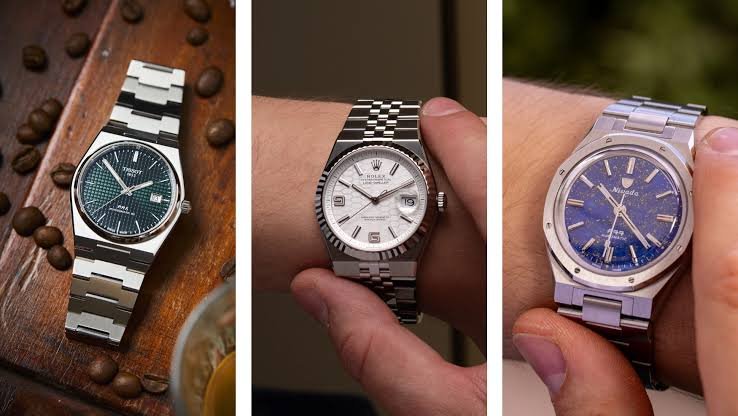
The luxury watch industry is changing as brands explore new designs, materials, and technologies. For many years, integrated bracelets, bold cases, and recognizable dial designs have been important features of luxury watches. Today, watchmakers are looking beyond traditional styles to create timepieces that combine modern design with classic craftsmanship.
The next generation of luxury watches is expected to focus on individuality, comfort, advanced materials, and mechanical innovation. From watches with integrated metal bracelets to models featuring independent dials and unusual displays, the industry is exploring new ways to make timekeeping both practical and personal.
But what will luxury watches look like in the coming years? The answer lies in the balance between heritage, creativity, and changing customer preferences.
1. The Continued Appeal of Integrated Bracelets
Integrated bracelet watches have become a major part of modern luxury watch design. In these watches, the bracelet connects smoothly with the case, creating a unified appearance.
This design became popular through iconic luxury sports watches and continues to attract collectors. Its clean lines, comfortable fit, and distinctive appearance make it suitable for both formal and casual occasions.
Luxury watchmakers are now experimenting with different bracelet shapes, finishes, and materials. Some designs combine polished and brushed surfaces, while others use lightweight titanium or innovative alloys.
The next generation of integrated bracelet watches may feature more ergonomic links, improved adjustment systems, and thinner cases. These changes can improve comfort without losing the distinctive design that makes these watches recognizable.
2. Independent Dials and Creative Time Displays
One of the most interesting directions in luxury watchmaking is the development of independent dials and alternative time displays.
Traditional watches usually feature a central dial with hands that indicate hours, minutes, and sometimes seconds. However, some modern watchmakers are experimenting with separate displays, off-centre subdials, jumping hours, and other mechanical arrangements.
Independent or decentralized dials can give a watch a distinctive appearance. They may separate different time functions or create a more artistic layout.
These designs also demonstrate the technical skill involved in mechanical watchmaking. Moving the display away from the traditional central arrangement can require complex engineering and careful use of limited space inside the case.
For collectors, such watches offer something different from familiar designs. They can turn a practical object into a conversation piece while preserving the mechanical character of traditional horology.
3. Smaller Cases and Better Comfort
For years, oversized watches attracted attention in the luxury market. Large cases offered strong wrist presence and made complicated dials easier to display.
However, customer preferences have become more varied. Many buyers now appreciate smaller cases, thinner profiles, and designs that sit comfortably on the wrist.
Luxury watchmakers are responding with more size options and improved case proportions. A well-designed watch does not need to be large to feel exclusive.
Slimmer cases can also make a watch easier to wear under a shirt cuff. Meanwhile, lightweight materials can reduce wrist fatigue during long periods of use.
The next generation of luxury watches is therefore likely to offer a wider range of sizes instead of following a single trend.
4. New Materials Are Changing Watch Design
Materials play an important role in the appearance, durability, and comfort of luxury watches.
Stainless steel remains popular because of its strength and versatility. However, titanium, ceramic, carbon composites, and advanced alloys are becoming important alternatives.
Titanium is valued for its relatively low weight and corrosion resistance. Ceramic can provide strong scratch resistance and a distinctive finish. Carbon-based materials can create unusual textures and reduce overall weight.
Some watchmakers are also exploring recycled metals and more transparent sourcing practices.
Material innovation allows designers to experiment with colours, textures, and case shapes that would be difficult to achieve using traditional metals alone.
For buyers, the best material depends on personal preferences, lifestyle, maintenance requirements, and budget.
5. Mechanical Innovation Remains Important
Despite advances in digital technology, mechanical movements remain central to the appeal of many luxury watches.
Mechanical watches use intricate systems of gears, springs, and other components to measure time. Their attraction comes from engineering, craftsmanship, and the knowledge that many tiny parts work together without relying on a conventional electronic display.
Future developments may focus on greater accuracy, improved power reserves, more efficient movements, and easier servicing.
Complications such as perpetual calendars, tourbillons, and innovative time displays will also continue to demonstrate technical expertise.
However, complexity alone does not guarantee that a watch is better. A simple, reliable movement can be just as attractive to a collector as a highly complicated mechanism.
6. Sustainability and Responsible Luxury
Sustainability is becoming a more important consideration across the luxury industry, including watchmaking.
Consumers increasingly want to understand where materials come from, how products are manufactured, and whether brands support responsible production practices.
Watchmakers can respond by improving material traceability, reducing production waste, using recycled metals where appropriate, and offering repair services that extend product life.
Long-lasting design is another important part of responsible luxury. A well-made watch can be maintained and passed between generations rather than replaced frequently.
Although sustainability practices differ between brands, transparency and durability may become stronger selling points for future luxury watches.
7. Personalisation and Individual Style
Luxury watches have always been associated with personal taste and status. However, the next generation may place even greater emphasis on individuality.
Collectors increasingly have access to different dial colours, strap options, case finishes, and limited-edition designs. Some watchmakers offer customisation services that allow customers to choose specific details.
Independent watchmakers are also important in this area. Smaller workshops often experiment with unconventional shapes, unusual displays, and distinctive finishing techniques.
As a result, luxury watch design may become less focused on one universally popular style and more focused on different communities of collectors.
Personalisation does not necessarily mean adding more decoration. Sometimes, a simple dial, unusual colour, or carefully selected strap is enough to make a watch feel unique.
8. What Buyers Can Expect From the Next Generation
The future of luxury watches will probably not be defined by one single design trend. Instead, several styles are likely to exist together.
Integrated bracelets will continue to appeal to people who prefer a sporty and refined appearance. Independent dials will attract collectors who enjoy mechanical creativity. Smaller cases and lightweight materials will appeal to buyers who prioritise comfort.
Traditional round watches will remain relevant because of their timeless character, while more experimental designs will offer alternatives for collectors seeking something unusual.
Price will also remain an important consideration. A watch’s value depends on several factors, including craftsmanship, materials, brand reputation, movement quality, availability, and long-term service support.
Buyers should therefore look beyond popularity and choose a watch that suits their needs and personal style.
Conclusion
From integrated bracelets to independent dials, the next generation of luxury watches is bringing together established traditions and fresh ideas. Watchmakers are exploring more comfortable proportions, innovative materials, creative displays, and responsible production methods.
At the same time, mechanical craftsmanship remains a major part of luxury watchmaking. Collectors continue to value the engineering, history, and attention to detail behind a well-made timepiece.
The future is unlikely to belong to a single design. Instead, it will offer greater variety, giving traditional watch enthusiasts and modern collectors more ways to express their individual tastes.
Ultimately, the most successful luxury watches will be those that combine distinctive design, reliable performance, lasting quality, and genuine craftsmanship.
