

By: Janice Flor
For a decade, the assumption inside most procurement departments has held steady: better office furniture means buying it new.
Office Logix Shop, an Ohio-based refurbisher of premium ergonomic seating, has spent that same decade testing whether the assumption is even true.
The company manufactures replacement parts rather than whole chairs. It restores the same brands, the same engineering, sold at a fraction of what a buyer would pay walking into a showroom. That distinction sounds small until it’s measured against ten years of growth built entirely on it.
What Refurbishment Actually Preserves
The company’s answer, delivered through a decade of restoring Herman Miller, Steelcase, and Haworth chairs rather than manufacturing new ones, is that “premium” and “new” were always separate ideas that happened to travel together.
A chair engineered twelve years ago by Herman Miller still carries the same frame tolerances, the same weight ratings, the same pneumatic lift mechanism it shipped with. What ages is the upholstery, the foam, the casters, parts a factory replaces routinely rather than parts that require a full rebuild.
Restoring those parts, rather than replacing the whole chair, is the entire premise Office Logix Shop was built around.
“We wanted to create comfortable, productive workspaces for people without the financial burden of buying brand-new furniture,” said Obada Mzaik, the company’s chief operating officer and a civil engineer by training who co-founded Office Logix Shop with Kamal Haykal, a former intellectual property lawyer, in 2015. “This goal has driven every decision we’ve made since day one.”
A Market Moving the Same Direction
That decision has scaled into a real market thesis, and the market appears to be arriving at a similar conclusion on its own timeline.
The global ergonomic office furniture market is projected to reach $16.9 billion by 2030, according to industry estimates the company cites, a figure driven largely by hybrid and remote workers upgrading home offices on their own budgets rather than waiting on corporate procurement cycles that can take months to approve a single purchase order.
Office Logix Shop occupies a specific position inside that growth, restoring chairs to original specification and selling them at a fraction of retail rather than competing head-on with manufacturers on new production or with generic resellers on price alone.
That model, the company reports, has driven 35 percent year-over-year growth, a figure that remains self-reported and still awaits independent audit.
Reputation That Survives Resale
The thesis carries a second, less obvious argument: reputation earned by manufacturers keeps its value even after the original box is long gone.
“We specialize in top brands known for ergonomic excellence,” the company has said of its sourcing strategy, and the sentence works as both marketing language and a genuine description of what refurbishment actually preserves.
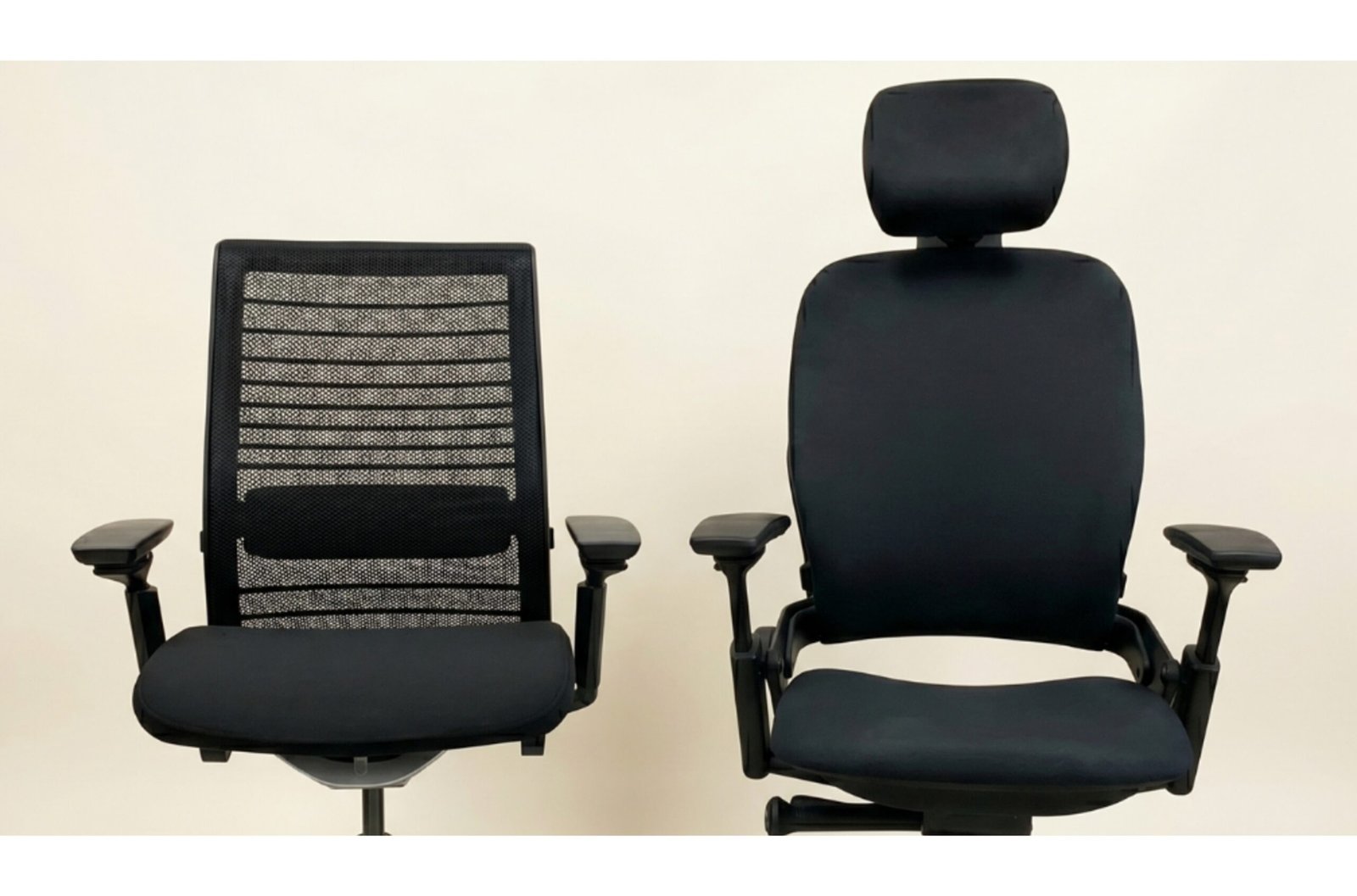
A Steelcase Leap earned its ergonomic reputation through engineering, the kind that survives resale, reupholstering, and a second owner who may never know the chair had a first one, well before any packaging or showroom display entered the picture.
That durability is the actual product Office Logix Shop sells, more than the chair itself.
The Warehouse Behind the Thesis
Customer response backs the thesis at least at the level Office Logix Shop can measure it: the company holds a 4.9 out of 5 rating on Judge.me, a review platform, based on its own reporting.
Whether that translates into a broader shift away from new-furniture purchasing across corporate America remains an open question, one the company’s own growth trajectory suggests it expects to resolve in its favor.
The clearer evidence sits in the operational footprint behind the thesis. Office Logix Shop now runs its restoration and distribution out of a 60,000-square-foot warehouse and showroom in Lewis Center, Ohio, a facility built long after Mzaik and Haykal started selling chairs out of a shared garage. The company’s case to buyers centers on a simple relocation of credit. The premium reputation buyers are actually paying for was built by an engineer a decade ago, well ahead of any factory last month.
