

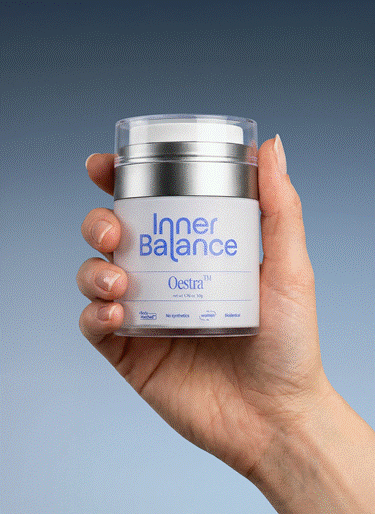
A single vaginal cream marketed as addressing sleep, mood, libido, periods and brain fog invites obvious scepticism. Here is what it is, how it is meant to work, and what Inner Balance’s own data reports.
Products claiming to resolve a long and apparently unrelated list of symptoms usually warrant caution, and the wellness market has given consumers ample reason to be sceptical. Oestra®, developed by physician Dr. Sarah Daccarett and sold through her telehealth company Inner Balance, makes an unusually broad set of claims for a single pearl-sized cream: heavy periods, mood, anxiety, libido, dryness, sleep, energy, brain fog, skin, hair and metabolism.
The argument behind that breadth is not that the cream does eleven different things. It is that the symptoms share a cause, and that treating the cause affects all of them at once.
The Reasoning Behind a Single Treatment
Daccarett’s position is that the symptoms most commonly dismissed as stress or normal aging in women in their 30s and 40s are downstream of the same hormonal changes. Progesterone falls first. Estradiol becomes erratic. Sleep, mood, cognition and cycle regulation are all affected by both.
On that reading, a treatment addressing the hormonal picture would be expected to affect several symptoms at once, not because it is unusually powerful but because the symptoms were never separate to begin with. The apparent breadth is a consequence of the diagnosis rather than a claim about the product.
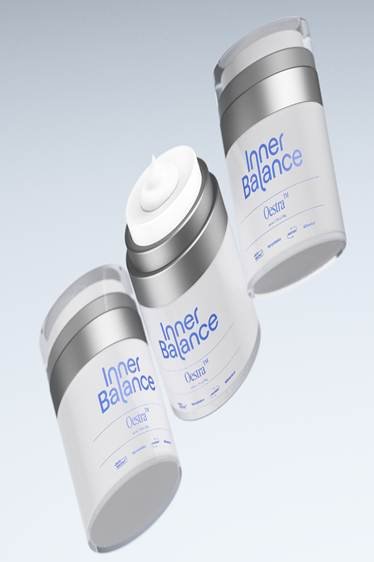
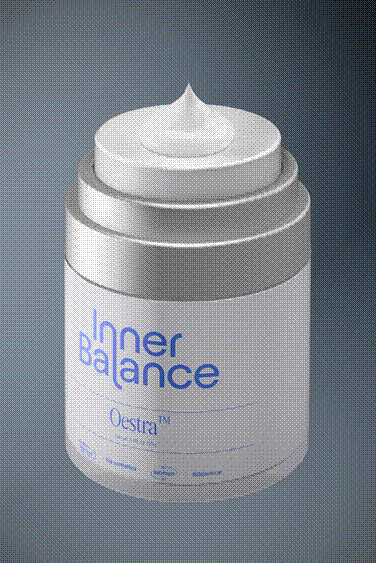
Oestra® is a full-strength bioidentical systemic hormone therapy delivered vaginally, designed for women who are still menstruating rather than for postmenopausal patients. Daccarett is explicit that it is not a cream for dryness and not a supplement.
What Inner Balance’s Internal Data Reports
Inner Balance has published results from its own internal study of Oestra® users. These are company figures rather than independent trial data, and should be read as such. Among users surveyed, the company reports:
● 96% experienced lighter, less painful periods
● 97% reported improved dryness
● 81% reported better sleep
● 75.3% reported improved libido
● 70% reported better skin and hair
● 67.6% reported reduced brain fog
The company also reports improvements in mood, energy, aches, bloating and weight among users, though it does not attach figures to each. Taken together, the list covers most of the complaints women in this age group commonly raise with clinicians and are rarely given a coherent explanation for.
How the Effects Are Described Over Time
Hormonal treatment is not typically fast-acting, and Inner Balance describes Oestra® as working gradually rather than producing an immediate change. Users are advised to expect small shifts accumulating over weeks rather than a single noticeable effect.
In the company’s account, sleep and cognitive changes tend to be reported earliest, within the first few weeks. Reported improvements in libido and cycle symptoms generally appear later, around the second month, and skin and hair changes later still.
That sequence is consistent with what is known about estradiol’s role in the skin. Research has associated estradiol with increases in collagen, elastin, hyaluronic acid and dermal thickness. Structural changes of that kind would not be expected to appear quickly, whatever the treatment.
The Libido Question
One of the more notable claims concerns sex drive. Inner Balance reports that 75.3% of users described improved libido, and that this occurred without testosterone being administered.
Daccarett’s explanation is that progesterone normalising allows downstream conversion to occur naturally, rather than requiring testosterone to be supplied directly. It is a point she returns to often, given how frequently reduced libido in women is attributed to stress, age or mindset rather than examined as a hormonal question.
Users describing the change in the company’s research tend to characterise it as a return to a previous baseline rather than a spike, which is consistent with a treatment intended to restore hormone levels rather than exceed them.
What the Data Does Not Establish
The figures above come from Inner Balance’s internal research. They describe what users reported, not outcomes measured against a control group, and they have not been subject to independent peer review.
That does not make them uninteresting. Self-reported symptom improvement is the outcome most patients actually care about, and the sample reflects women using the product as intended. But it is a different category of evidence from a randomised controlled trial, and the distinction matters when the claims are this broad.
Hormone therapy is also not appropriate for everyone. Individual suitability depends on medical history, and Inner Balance operates as a telehealth service with clinical assessment rather than as a direct-to-consumer product sold without oversight. Anyone considering it would be assessed before being prescribed anything.
The Wider Point
What makes Oestra® notable is less the breadth of its claims than the gap it was built to address. Hormone therapy has historically been directed at postmenopausal women, often at low doses and with considerable caution. Women in their 30s and 40s reporting the same symptoms have frequently been told their results are normal and their experience is psychological.
Daccarett founded Inner Balance after that happened to her. Whether or not the internal figures hold up to independent scrutiny, the underlying question is a reasonable one: whether a group of symptoms currently treated as unrelated and untreatable is in fact a single problem with a physiological explanation.
That question is now being asked more widely than it was a decade ago. Independent research will settle it eventually. In the meantime, what has changed is that women who were previously told nothing was wrong are being offered an alternative explanation, and the option of testing it.
