

The United States is facing a nursing shortage that by most projections will only deepen over the coming decade. The American Nurses Association estimates that the country will need more than one million new nurses by 2030 to meet growing demand. The pipeline, meanwhile, is constrained by faculty shortages, limited clinical placement slots, and the quiet but consistent attrition of experienced nurses who burn out before they can pass their knowledge on.
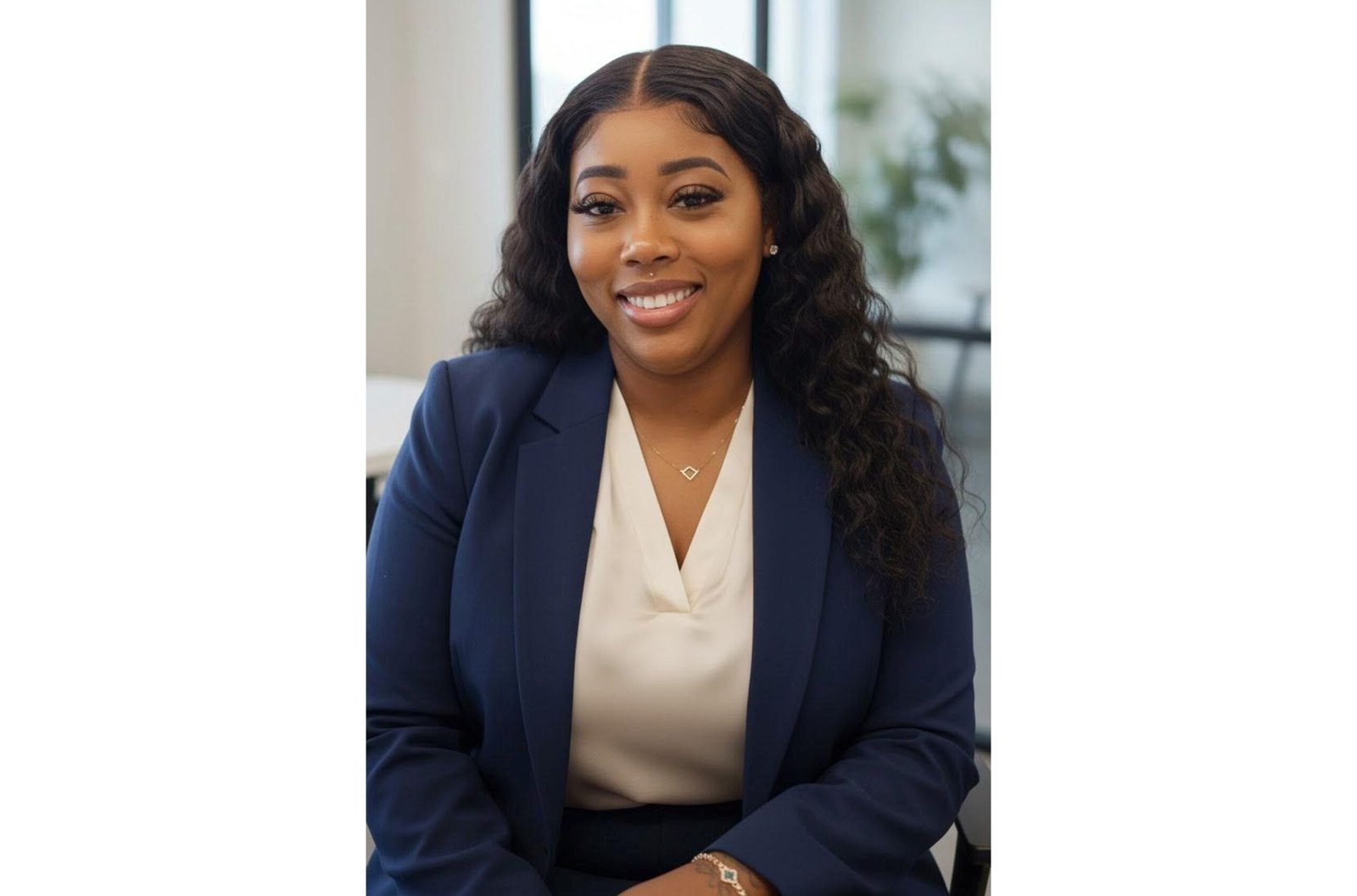
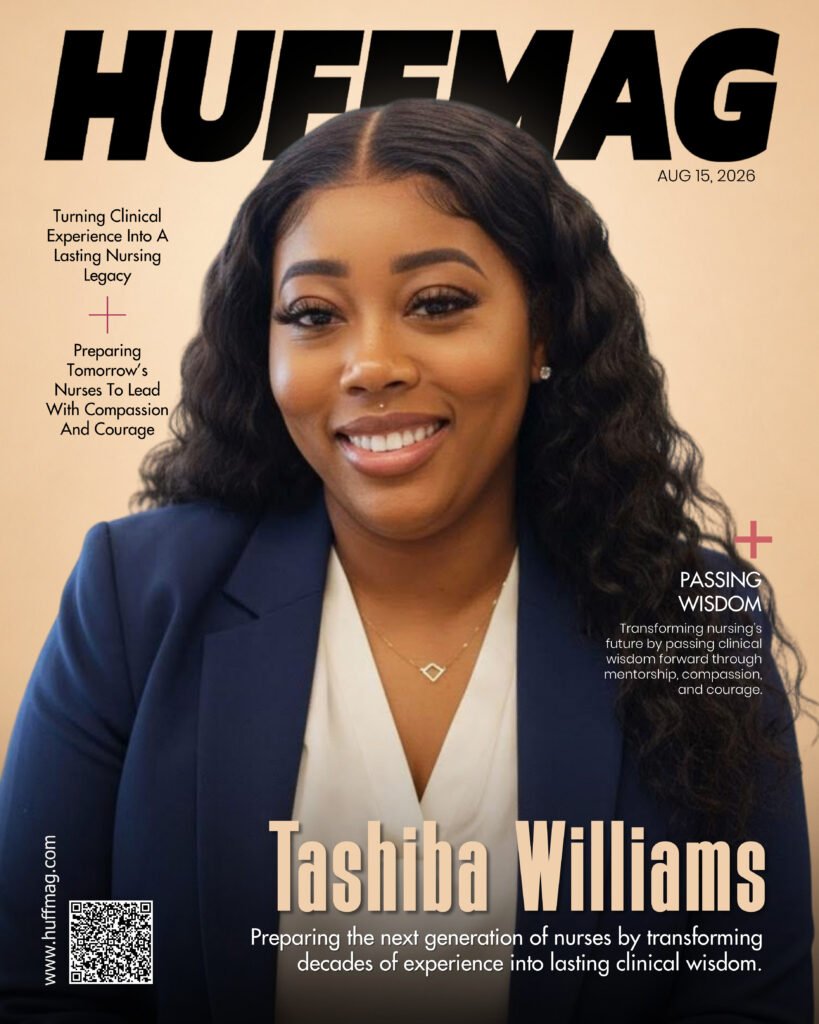
Tashiba Williams, NP-C, founder of ADA Family Health Clinic, is doing something about it.
Williams has spent more than 25 years in nursing, moving from emergency room registered nurse to board-certified family nurse practitioner to mobile clinic founder. Along the way she has accumulated the kind of frontline expertise that cannot be taught in a classroom: an instinct for what chronic wounds look like when they are about to turn, an understanding of how patients in underserved communities navigate a system that was not designed with them in mind, and a clarity about what it actually takes to show up for patients consistently enough to make a difference.
She is not keeping any of it to herself.
Why Mentorship Matters More Than Ever
The nursing shortage is not simply a numbers problem. It is an experience problem. Healthcare systems can recruit new nurses to fill vacancies, but what they cannot easily replace is the accumulated clinical wisdom of the nurses who leave, the thousands of judgment calls, pattern recognitions, and patient management decisions that experienced nurses make almost without thinking and that newer nurses are still learning to make at all.
Mentorship is the bridge between the two. When experienced clinicians invest deliberately in the development of the nurses and practitioners around them, they extend the reach of their own expertise beyond the patients they personally treat. They create a multiplier effect: one clinician’s knowledge, passed on intentionally, showing up in the care delivered by every person they have helped develop.
Williams has embraced that role throughout her career and has carried it directly into the structure of how she runs ADA Family Health Clinic. She works actively with healthcare staff and students, sharing the clinical frameworks and patient care philosophies she has developed over a career that has taken her from the emergency room to the homes of patients managing some of the most complex wound care cases in Texas and Louisiana.
What She Passes On
The lessons Williams most consistently emphasizes with the nurses and students she mentors are not primarily technical. The technical knowledge, she says, comes with training and repetition. What she focuses on instead are the dimensions of clinical practice that formal education addresses less directly and that make the difference between a competent nurse and an exceptional one.
The first is presence. Williams learned from her mother and grandmother that true care is being fully present with a patient, listening to them, and showing empathy rather than simply executing a series of tasks. That lesson has traveled with her through every stage of her career and sits at the center of what she tries to model and teach.
“From them, I learned that true care is being fully present, listening, and showing empathy — not just doing the tasks,” Williams said. “That’s the core of patient-centered care.”
The second is clinical courage: the willingness to take on difficult cases, to engage honestly with patients about what their care requires, and to maintain the kind of consistency that complex wound management demands even when progress is slow. Williams spent a full year treating one of her most challenging patients before his wound healed. That patience and persistence, she teaches, is not a personality trait. It is a clinical discipline.
The third is systemic awareness. Williams mentors with an explicit attention to the structural realities her students will face: the access barriers, the reimbursement complexities, the scope of practice limitations that vary by state, and the populations most likely to be underserved by a system that was not designed with their circumstances in mind. Understanding those realities, she argues, is as important for a new clinician as understanding wound staging or medication management.
Building Something That Outlasts Her
For Williams, mentorship is inseparable from the broader mission that led her to found ADA Family Health Clinic in the first place. The clinic exists because she saw a gap in how care was being delivered to the patients most at risk, and she decided to build something to close it. Mentoring the next generation of nurses and nurse practitioners is an extension of the same impulse: seeing a gap in who is being developed and prepared to lead, and deciding to do something about it.
The nursing shortage will not be solved by recruitment alone. It will require experienced clinicians who are willing to invest in the people coming up behind them, to share what they know, to model what excellent and compassionate care actually looks like in practice, and to prepare a new generation to carry that standard forward into a healthcare landscape that will demand more of them than any previous generation of nurses has faced.
Williams is preparing them. One conversation, one clinical encounter, one mentored shift at a time.
“Believe in the power of your own vision and don’t wait for permission to create it,” Williams has said to the young clinicians she works with. “Your voice, your perspective, and your experiences are exactly what the healthcare system needs.”
For the nurses and nurse practitioners she is helping to develop, that message is not just inspiration. It is instruction.
