

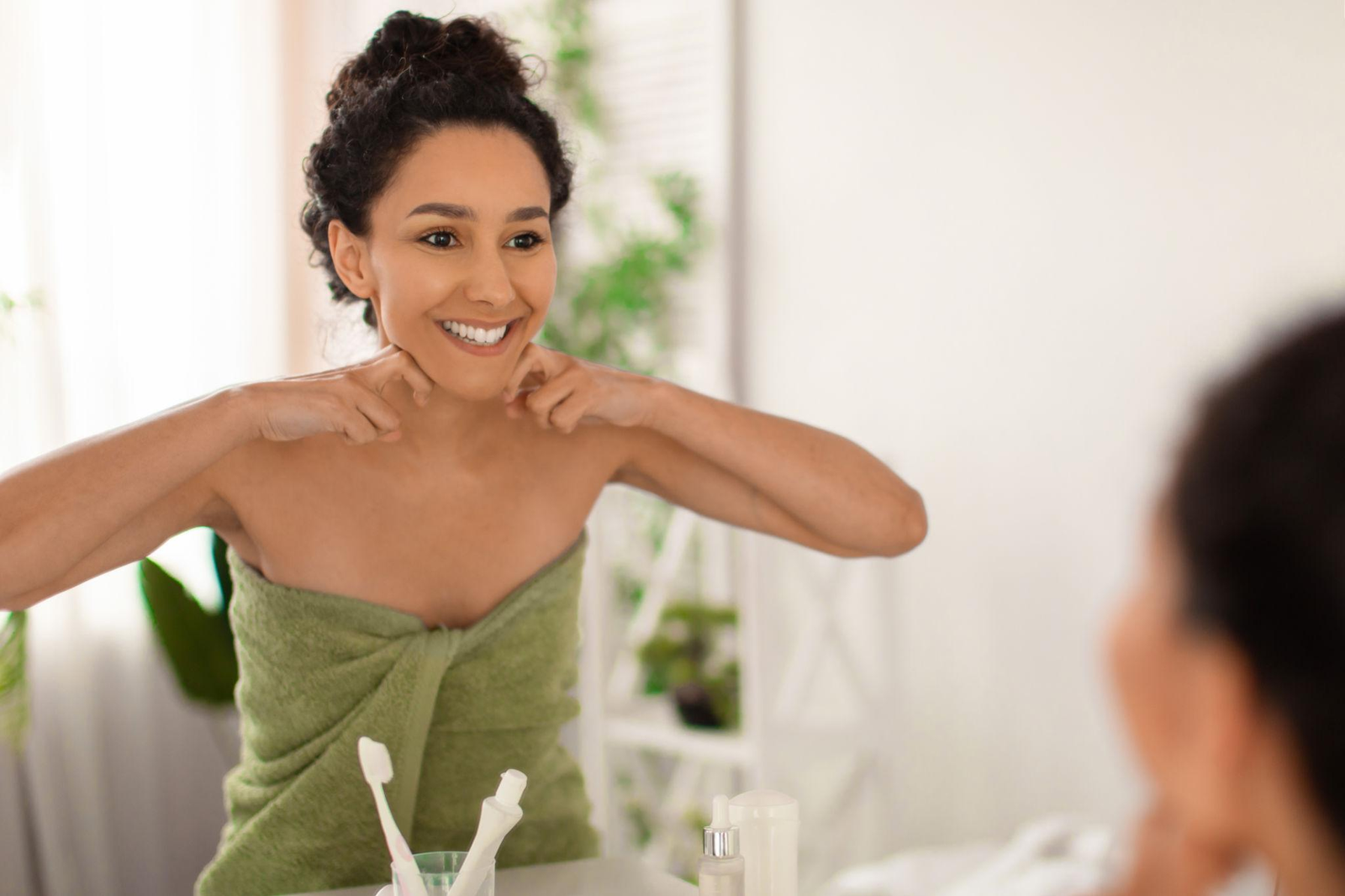
Skincare trends come and go quickly, but some stick around because they tap into real physiological processes. Facial lymphatic drainage brushing is one of those trends—widely discussed, frequently demonstrated, and often questioned. So, is it genuinely effective, or just another beauty fad?
What Lymphatic Brushing Is Supposed to Do
At its core, lymphatic drainage brushing aims to stimulate the body’s lymphatic system—a network responsible for moving waste, toxins, and excess fluid away from tissues. Since a significant portion of lymph nodes are concentrated around the face and neck, targeting this area can have visible effects on skin appearance.
The technique involves using a specially designed brush to guide fluid toward lymph nodes, typically near the collarbone, helping reduce puffiness and improve circulation.
Claimed Benefits (And What Makes Sense Scientifically)
1. Reduced Puffiness
One of the most immediate and noticeable effects is depuffing. By encouraging fluid movement, especially in areas like under the eyes and jawline, the face can appear less swollen.
2. Improved Skin Clarity
Better lymphatic flow supports waste removal at a cellular level. In theory, this may contribute to clearer-looking skin over time.
3. Enhanced Product Absorption
With reduced congestion beneath the skin, topical skincare products may penetrate more effectively—though this depends heavily on formulation and consistency.
4. Subtle Lifting Effect
Regular use can create a temporary “lifted” look due to reduced fluid retention and improved circulation.
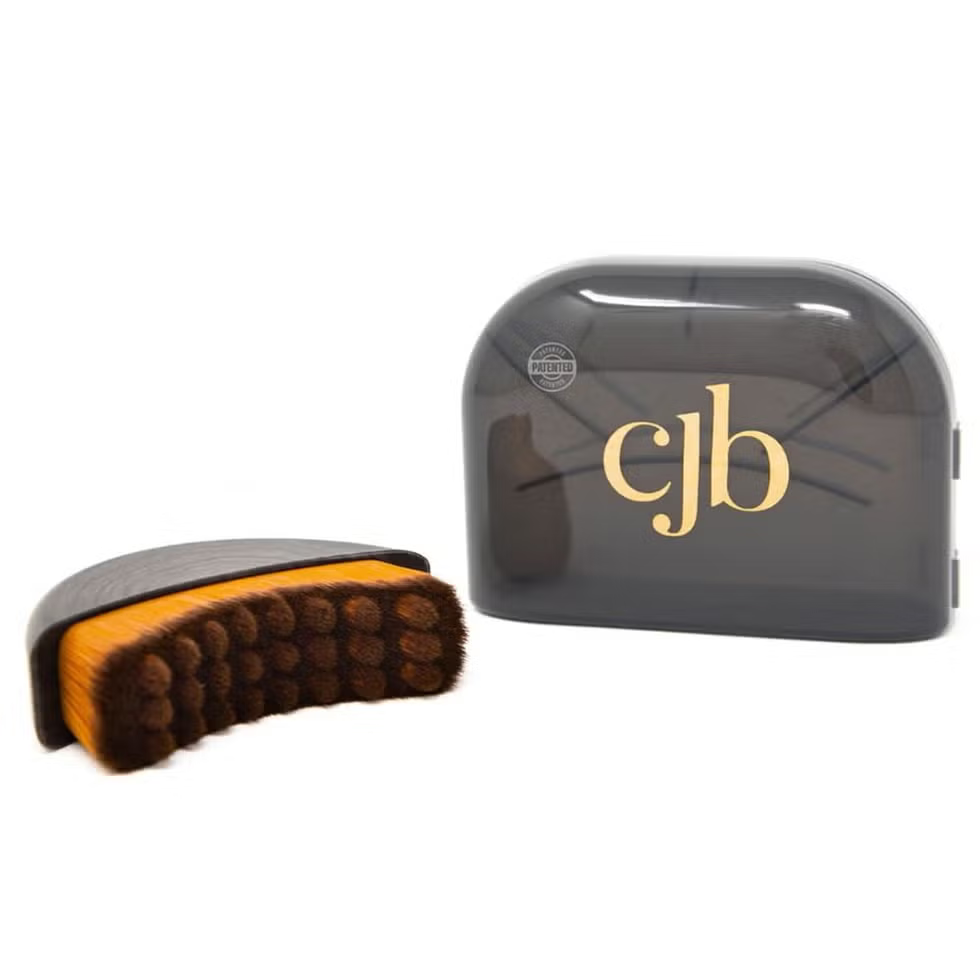
Brush vs. Other Tools
Lymphatic brushes are often compared to tools like gua sha stones or even manual massage. The main distinction lies in usability:
- Brushes are designed to follow lymphatic pathways easily
- They require less technical knowledge
- They can be used without oils or serums
However, effectiveness depends less on the tool and more on technique and consistency.
How to Use It Properly
Technique matters more than the tool itself. A typical routine includes:
- Activating lymph nodes near the collarbone first
- Using gentle, downward strokes on the neck
- Moving outward from the center of the face
- Repeating light strokes (not aggressive pressure)
Skipping the initial step—opening lymph pathways—can reduce effectiveness significantly.
Does It Actually Work?
Short answer: yes, but with conditions.
Consistent use over time appears to produce visible improvements in puffiness and facial contour. However, results are gradual and subtle—not dramatic transformations. It’s also not a replacement for clinical treatments or medical skincare.
Users with sensitive skin may experience irritation depending on the brush texture, so tool selection matters.
The Real Takeaway
Lymphatic drainage brushes aren’t miracle tools—but they’re not meaningless either. When used correctly and consistently, they can enhance your skincare routine by improving circulation and reducing fluid buildup.
Think of them less as a quick fix and more as a low-effort, long-term maintenance tool for healthier-looking skin.
