

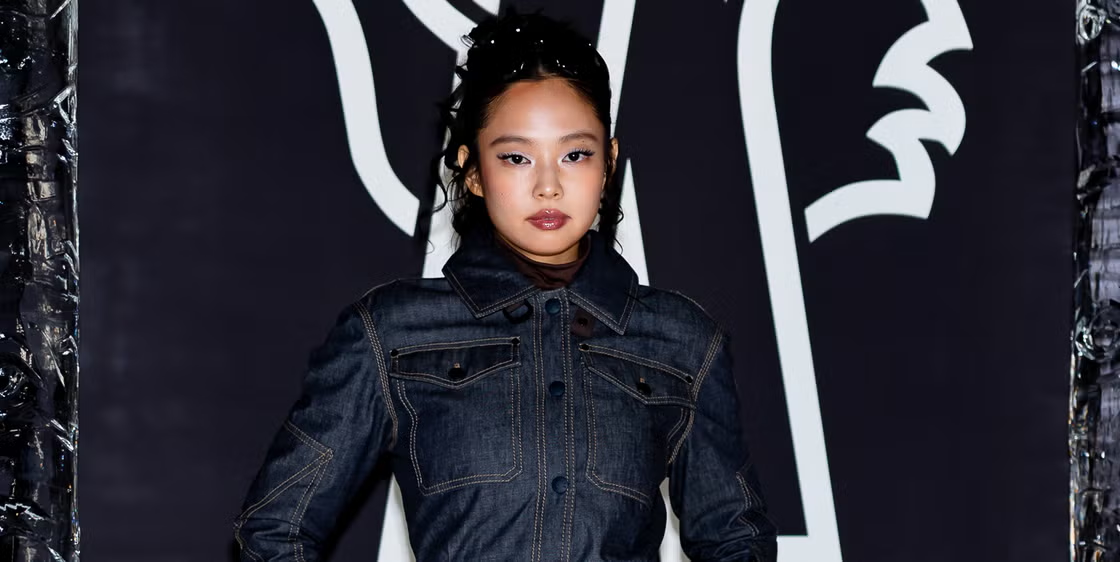
For fans hoping to see Jennie walk the Grammy Awards red carpet for the first time, the 2026 ceremony came and went without her appearance. The moment many expected to mark a milestone in her solo career was postponed quietly, deliberately, and without explanation.
While no official reason was given, the circumstances surrounding Jennie’s absence suggest this was less about avoidance and more about timing, priorities, and the careful way she has approached her solo evolution.
Recognition Without Attendance
Jennie may not have been nominated this year, but she was still part of the Grammy conversation. Her collaborative track “Handlebars” with Dua Lipa received industry recognition for songwriting, credited alongside newly crowned Songwriter of the Year Amy Allen.
For an artist transitioning from global group fame into solo legitimacy, this kind of acknowledgment matters. It signals industry respect—even without a nomination or televised appearance.
Still, recognition alone doesn’t dictate attendance, especially for artists managing international schedules across multiple industries.
A Schedule That Spoke for Itself
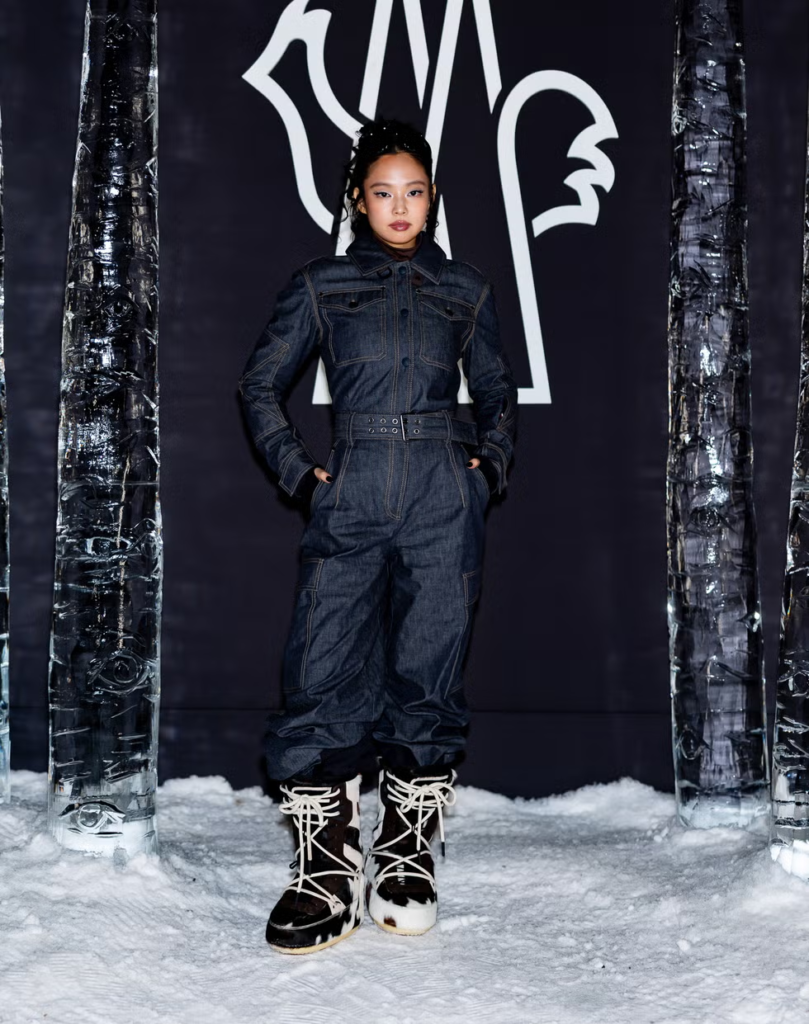
Just one day before the Grammys, Jennie was in Aspen, Colorado, attending the Moncler Grenoble Fall/Winter 2026 presentation. The appearance was high-profile, visually striking, and widely covered—placing her firmly in the fashion world at the same moment music’s biggest night was unfolding in Los Angeles.
Logistically, making it from Aspen to L.A. in time for the ceremony would have been possible, but demanding. More importantly, it would have required shifting commitments that Jennie appeared fully present for.
This wasn’t a last-minute cancellation. It looked like a conscious decision.
Not Her First Grammy Absence
Jennie also skipped the Grammy ceremony the year before, though she did attend post-show events and after-parties. Shortly afterward, she released her debut solo album Ruby, formally stepping into her next artistic chapter.
That album was submitted for major Grammy consideration, including Album of the Year and Best Pop Vocal Album. Its lead single, “Like Jennie,” was entered for Record of the Year, Song of the Year, and Best Music Video.
None resulted in nominations—but submission itself signals ambition. It reflects an artist positioning herself seriously within the Western awards ecosystem, even if recognition hasn’t arrived yet.
A Transitional Phase, Not a Missed Opportunity
From a leadership and career-strategy perspective, Jennie is in a transition phase—one that requires restraint as much as visibility. Artists moving from globally successful groups into solo careers rarely follow a straight line. Credibility is built over time, through consistent output, collaborations, and selective public moments.
Jennie’s approach suggests patience. Rather than forcing a debut appearance without a nomination or performance, she appears focused on building momentum quietly—letting the work speak before the spectacle.
BLACKPINK Still Made History
Even without Jennie present, BLACKPINK’s legacy was felt strongly at the 2026 Grammys. Fellow member Rosé made history as the first K-pop soloist to be nominated in two of the four major Grammy categories—and to perform on the Grammy stage.
The moment was symbolic. It came seven years after BLACKPINK first entered the U.S. music industry conversation through Universal Music Group’s Grammy Artist Showcase. What once felt aspirational is now unfolding in real time—member by member.
Playing the Long Game
Jennie’s absence shouldn’t be read as disengagement. If anything, it reflects strategic patience. She continues to dominate fashion, expand her creative control, and build a solo discography with intention.
In high-level careers—whether in business or entertainment—timing matters as much as talent. Showing up at the right moment can be more powerful than showing up early.
Jennie’s Grammy debut hasn’t happened yet. But based on her trajectory, it feels delayed by design, not by circumstance.
And when she does step onto that red carpet, it’s unlikely to be quiet.
