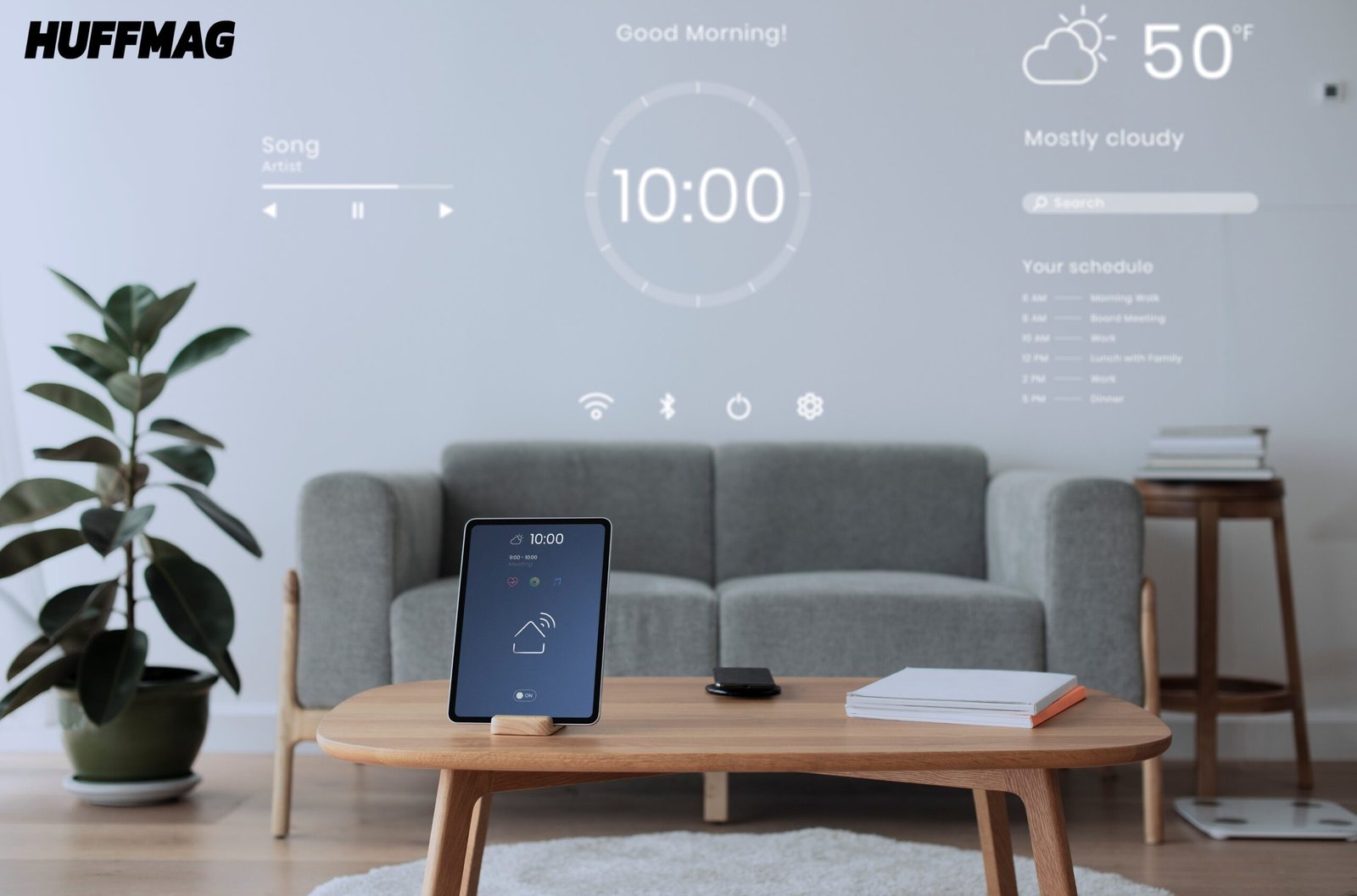
Smart homes are no longer just about convenience—they are rapidly evolving into intelligent ecosystems powered by artificial intelligence (AI). What once required manual programming or simple automation now adapts, learns, and responds proactively to human behavior, redefining how people live and interact with their homes.
At the core of this transformation is AI’s ability to learn from data. Smart thermostats, lighting systems, and security devices now analyze daily routines, preferences, and environmental conditions to make real-time decisions. For example, AI-driven climate systems can predict temperature needs based on weather forecasts and occupancy patterns, optimizing comfort while reducing energy consumption. This not only enhances user experience but also supports sustainability goals.
Voice assistants have also become significantly more advanced. Powered by natural language processing, modern AI assistants understand context, intent, and even subtle speech variations. They can manage complex tasks such as coordinating multiple devices, creating personalized schedules, or offering proactive reminders—moving far beyond simple voice commands.
Security is another area where AI is making a major impact. Smart cameras and sensors now use computer vision and machine learning to distinguish between residents, guests, pets, and potential intruders. Instead of constant alerts, homeowners receive only meaningful notifications, improving both safety and peace of mind. Some systems can even detect unusual behavior patterns and alert users before an incident occurs.
AI is also enabling seamless integration across devices and platforms. Smart homes are becoming unified systems where lighting, entertainment, appliances, and security work together intelligently. Over time, the home itself becomes more intuitive, anticipating needs rather than reacting to commands.
As AI continues to advance, smart homes are shifting from being reactive tools to proactive partners. The future promises living spaces that are not just connected, but truly intelligent—designed to enhance comfort, efficiency, security, and quality of life in ways once considered futuristic.