

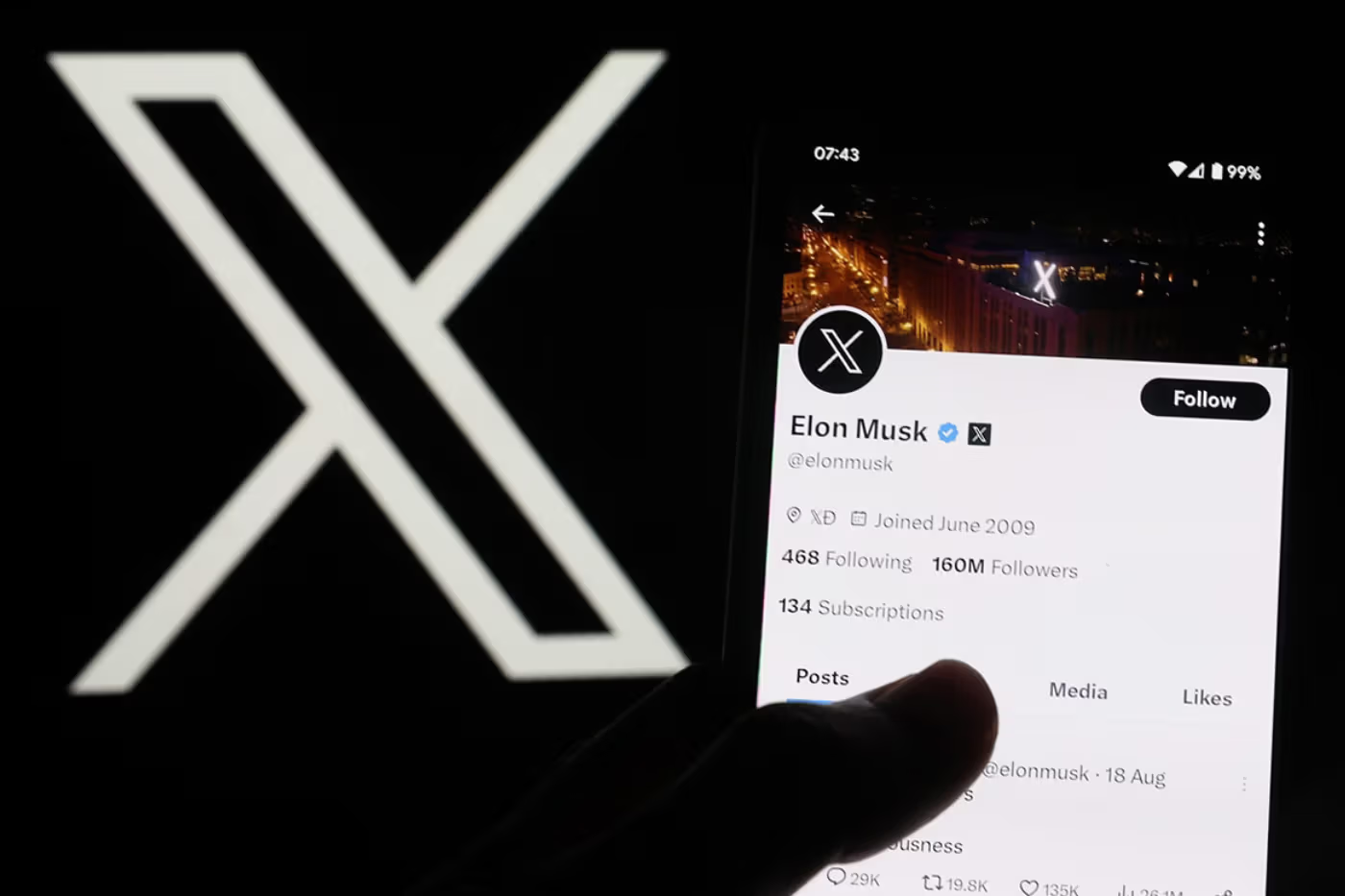
Elon Musk is once again attempting to pull back the curtain on how one of the world’s most influential social platforms actually works. This time, the promise is sweeping: the recommendation algorithm that powers X’s “For You” feed—including both organic posts and advertising logic—will be fully open-sourced, with regular updates released on a fixed schedule. According to Musk, the first drop will arrive within days, followed by refreshed versions every four weeks, complete with developer notes explaining what changed and why.
If carried through, the move would mark one of the most radical transparency experiments ever attempted by a major social media platform. The algorithm that decides what billions of users see—and what creators and brands are rewarded for—has long been treated as proprietary black-box infrastructure. Musk’s proposal reframes it as public software, open to inspection, critique, and remixing.
The timing is not coincidental. X is facing mounting scrutiny from regulators across Europe and beyond, particularly over misinformation, opaque content ranking, and the growing role of AI systems like Grok in shaping the feed. Under the European Union’s Digital Services Act, platforms are increasingly required to explain how their recommendation systems function and whether they amplify harmful or misleading content. Open-sourcing the algorithm positions X to argue that it is embracing “radical transparency” rather than resisting oversight.
At the technical level, Musk says the open-source release will expose the full ranking stack—the logic that determines which posts surface in users’ timelines, how engagement is weighted, and how ads are blended into the feed. The stated goal is to optimize what Musk calls “unregretted user-seconds,” or time spent engaging with content users actually find valuable, rather than merely addictive. In theory, publishing the code would allow anyone to see how those priorities are defined in practice.
This is not Musk’s first attempt at algorithmic openness. In 2023, portions of Twitter’s recommendation code were posted publicly, but the effort stalled. The repository was rarely updated and quickly diverged from the live system running the platform. Similarly, Musk’s AI venture, xAI, open-sourced early versions of Grok, even as internal development moved on to newer, closed iterations. Critics argue that transparency without maintenance is little more than theater.
What makes this pledge different is the cadence. Musk is framing the algorithm releases more like software updates than a one-off disclosure—recurring, annotated, and evolving. The comparison many observers have drawn is to Tesla’s over-the-air updates, where changes are shipped continuously and documented publicly. Whether X can maintain that discipline remains an open question.
For creators, advertisers, and researchers, the implications could be significant. An open algorithm would make it easier to understand why certain posts gain traction while others disappear, potentially reshaping how influence, visibility, and monetization work on the platform. Researchers could audit how political content, hate speech, or coordinated manipulation is treated in real time, rather than relying on leaked documents or secondhand data. Brands could analyze how ad placement decisions are made, rather than optimizing blindly.
At the same time, openness carries risks. Publishing ranking logic could make it easier for bad actors to game the system, exploit loopholes, or engineer content specifically designed to manipulate engagement signals. Every major platform has historically cited this risk as a reason to keep algorithms closed. Musk appears willing to test whether transparency and platform integrity can coexist—or whether the chaos simply becomes more legible.
There is also a cultural dimension. X continues to position itself as the modern “town square,” a place where news, politics, and culture collide in real time. By exposing the mechanics behind that square, Musk is challenging users to confront an uncomfortable reality: much of what feels organic online is the product of deliberate engineering choices. An open algorithm would not eliminate bias or controversy, but it would make the trade-offs explicit.
Still, skepticism is warranted. Musk’s track record on follow-through is uneven, and regulators will likely judge X not on announcements but on execution. An outdated or partial code release would do little to satisfy demands for accountability, especially as AI-driven content moderation and recommendation systems grow more complex.
If Musk delivers on his promise, X could set a precedent that ripples across the tech industry. Rival platforms would face new pressure to justify their own secrecy, and policymakers might point to X as proof that algorithmic transparency at scale is possible. If he doesn’t, the move will be remembered as another ambitious pledge that collapsed under its own weight.
Either way, the message is clear: algorithms are no longer just technical infrastructure. They are political, cultural, and regulatory battlegrounds. By opening X’s recommendation engine to the world, Musk is betting that transparency itself can become a feature—not just of the platform, but of its identity.
