

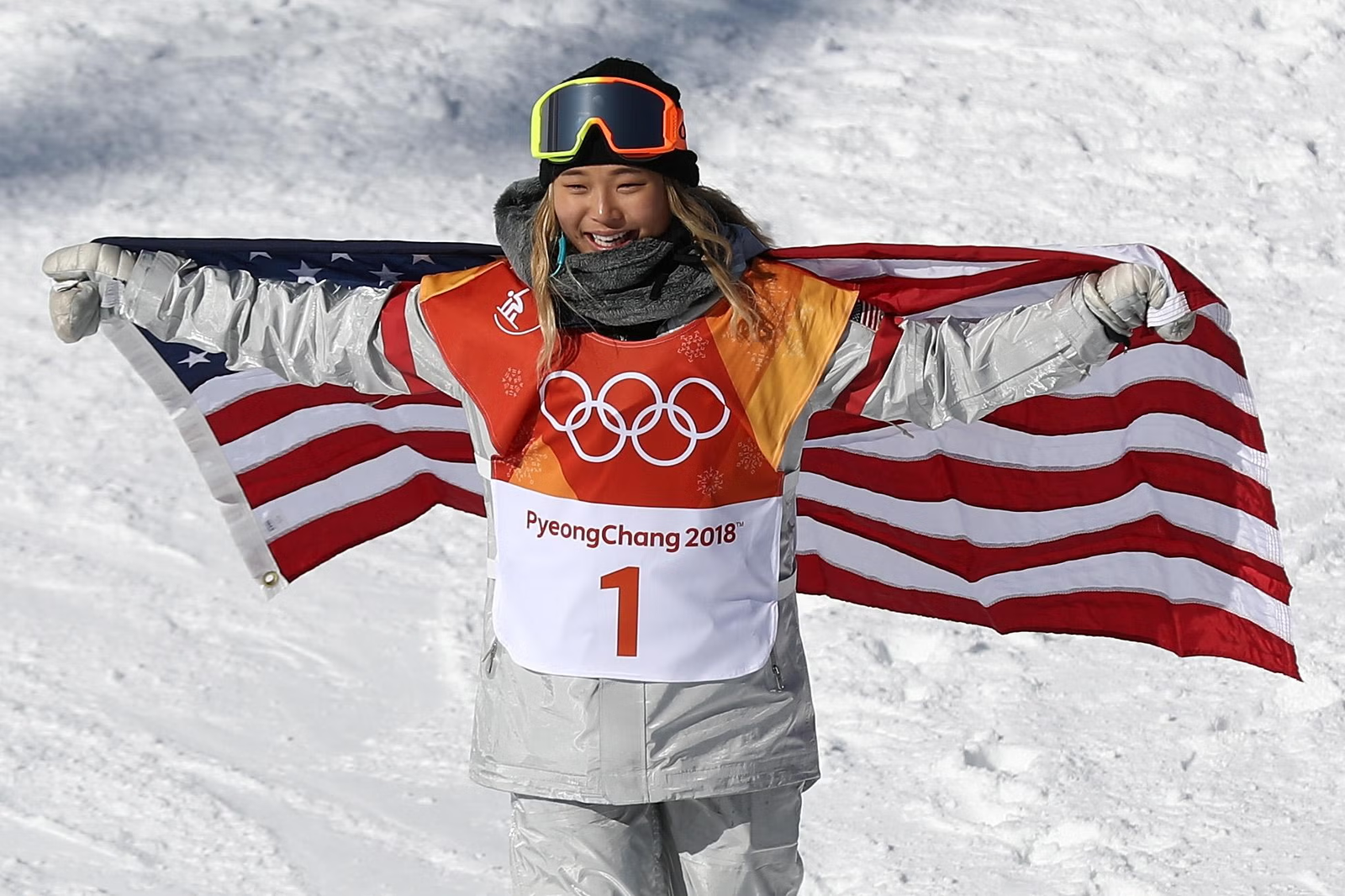
As the countdown to the 2026 Winter Olympics begins, Chloe Kim is once again preparing to compete for gold. But this time, the two-time Olympic champion is chasing something far more personal than medals. After years of relentless pressure, public scrutiny, and burnout, Kim is entering her third Olympic Games guided by balance, self-awareness, and a commitment to her own well-being.
At 25, Kim is already one of the most decorated snowboarders in history. Her résumé includes multiple X Games titles, World Championship victories, and back-to-back Olympic gold medals in the halfpipe. Yet following her triumph at the 2022 Beijing Games, she found herself emotionally depleted. The joy that once fueled her love for snowboarding had begun to erode, replaced by exhaustion and self-doubt.
Rather than walking away from the sport entirely, Kim chose a different path—one rooted in reflection and autonomy. She made a conscious decision to rebuild her relationship with snowboarding on her own terms. That shift is evident not only in how she trains, but in how she lives.
At her Los Angeles home, Kim created what she calls her “zen room,” a sunlit sanctuary filled with lush plants, soft textures, and quiet comfort. It’s a space designed for rest and restoration, emblematic of a broader lifestyle change. No longer driven solely by external expectations, she has learned to prioritize mental clarity alongside physical performance.
That recalibration extended to her training regimen. After gaining weight during the pandemic—a period she now describes as unexpectedly healing—Kim returned to a structured program with trainer Roy Chan. Her weekly routine balances strength training, running, and Pilates, with deliberate rest days built in. Recovery is treated as non-negotiable, with massage therapy and sleep playing a central role.
Nutrition, too, became more intentional. Kim adopted a protein-forward approach that supports her demanding schedule without veering into extremes. The result has been a renewed sense of strength and resilience, both on and off the snow. As she notes, even small physical changes can dramatically impact performance and safety in a sport where falls can mean drops of up to 30 feet.
Perhaps the most transformative element of Kim’s comeback has been her focus on mental health. Through intensive therapy, she has worked to unpack the emotional weight of growing up in the public eye and competing at elite levels from an exceptionally young age. Learning to set boundaries and cultivate compassion for herself has allowed her to respond to challenges with greater maturity and stability.
This evolution has reshaped her definition of success. Heading into Milano Cortina, Kim insists that her primary goal isn’t necessarily winning another gold—though she remains fiercely competitive and continues to innovate technically. Instead, she hopes to compete feeling whole, present, and proud of the journey she’s taken to get there.
Kim also recognizes the broader impact of her presence on the Olympic stage. As one of the most visible Asian American women in winter sports, she understands the importance of representation. Through both her athletic career and her work as a cofounder of TOGETHXR, she is committed to amplifying women’s voices and creating space for the next generation of athletes.
With the 2026 Games approaching, Kim feels grounded in a way she never has before. She’s armed with a deeper understanding of her limits, her needs, and her purpose. Whether she stands atop the podium again or not, she is confident in her ability to handle whatever outcome awaits.
This version of Chloe Kim isn’t defined solely by medals or records. She’s defined by resilience, growth, and the courage to rewrite her own narrative. And as she returns to the Olympic halfpipe, she does so not just chasing gold—but honoring herself every step of the way.
