


Empathy is not a personality trait reserved for a few. It is a learnable set of skills that kids practice inside caring relationships. When parents slow down, name feelings, and create tiny rituals, children learn to notice what is happening in their bodies and in the people around them. That awareness becomes compassion in action. For mindful families, this is good news. You do not need hours of free time. You need small, repeatable cues that teach attention, kindness, and choice. Created by Mariana Gordon, a mindfulness educator and former children’s counselor, and Sondra Bakinde, an artist and wellness advocate focused on family engagement, The Mindful Mantis offers playful, science-backed books, courses, and curriculum that help families practice those cues every day.
Why empathy is a resilience superpower
Empathy helps kids read the room and respond with care. It lowers conflict, supports friendship skills, and builds confidence because children feel competent in social situations. From a brain perspective, steady empathy grows when the nervous system feels safe. Predictable routines paired with warm connection tell a child’s body that it can relax. In that relaxed state, the brain can tune into another person’s face, tone, and needs. This is the quiet engine of emotional wellness.
Mindful parenting supports this process by modeling. When adults notice their own feelings out loud and repair quickly after hard moments, kids see that emotions are information, not threats. The lesson is simple. I can feel big things and choose a kind next step.
The empathy loop: Notice, Name, Nurture
Families need a framework that works in real life. Try this three step loop during everyday moments.
Notice
Coach kids to observe with curiosity. What does your body feel like right now. What do you notice on your sister’s face. Curiosity softens judgment and opens the door to learning.
Name
Offer simple language. I feel sad. I feel frustrated. I feel proud. Accurate words help the brain organize the story, which lowers intensity and makes problem solving easier.
Nurture
Choose one small caring action. A breath together. A drink of water. A check in question. Caring actions wire the idea that empathy is something you do, not only something you feel.
Repeat this loop often. Short reps build strong habits.
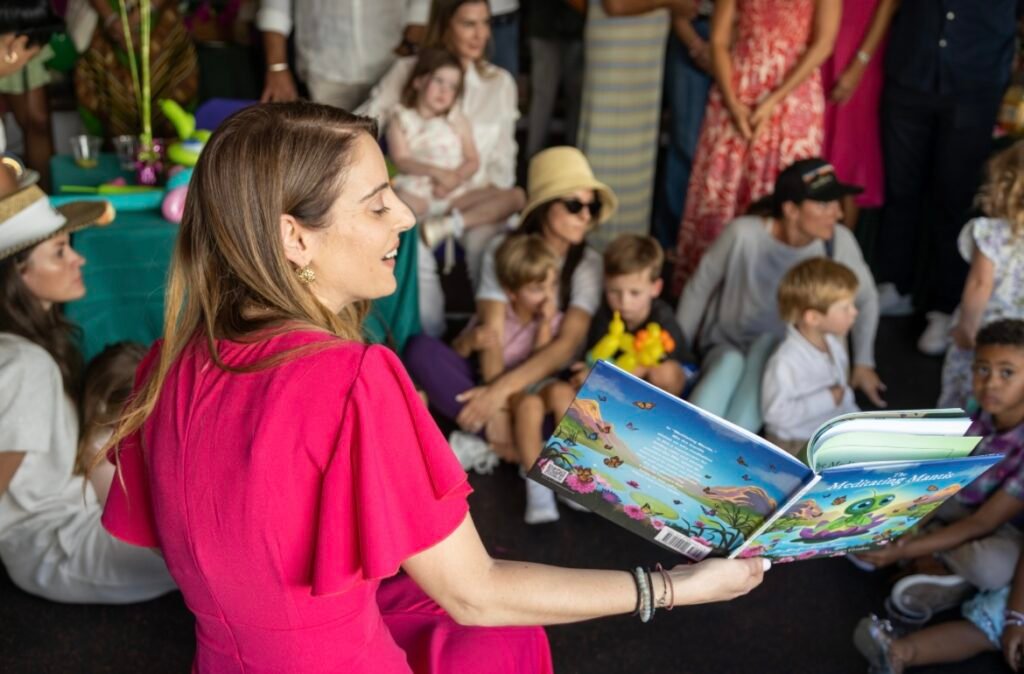
Kids meditation that grows kindness
Children learn best through play. Keep kids meditation sensory and imaginative so attention can hold.
- Balloon breath. Hands on belly, inhale to expand, exhale to soften. Ask, who else might need a soft breath with us.
- Star tracing. Trace five points on a hand. Inhale up a side, exhale down. Invite a quiet wish for someone you care about.
- Kindness picture. Close eyes for ten seconds and picture a person or pet you love. Breathe slowly while sending them a simple message like May you feel safe.
These tiny practices train the body to settle and the mind to care. Over time, kids associate calm with connection, which is the root of empathy.
Rituals that practice compassion every day
Rituals are simple, repeatable moments that signal safety. They can live in a studio apartment, a car seat, or a classroom doorway. Try one in each part of the day.
Morning anchor
Open a window for light and air. Share three slow breaths. Set a tiny intention like I try one kind thing today. This centers attention before the day gets fast.
After school landing
Offer a crunchy snack for sensory reset. Do a feelings color check. Red fired up, yellow wiggly, green ready, blue tired. Ask, what would help your body right now. Choice builds agency.
Screen shift
Place devices on a sleeping tray. Roll shoulders five times, then name a mood and a need. I feel buzzy. I need fresh air. This turns a hot moment into a teachable one.
Bedtime wind down
Read for a few minutes with a soft voice, then do a gratitude trio. One thing you learned, one person you appreciated, one hope for tomorrow. End with a short body scan story so the brain finishes on safety and connection.
If you like guided tools, the bite sized lessons and printable scripts inside the Magic Mantis Course translate research into two minute practices you can repeat all week.
Coaching language that protects dignity
Words matter. Swap reflex phrases for lines that teach empathy and keep connection strong.
- Try I see a big feeling. Let us breathe together instead of You are fine.
- Try Your brother looks disappointed. What is one caring thing you could do instead of Say sorry right now.
- Try You are not in trouble. We are practicing kindness as a team instead of Stop it or else.
This tone reduces shame and shows kids what compassion looks like under pressure.
Bridge empathy from home to school
Kids learn faster when they hear the same cues across settings. Ask teachers which transition tools they use and mirror one at home. A feelings menu on the fridge. A pocket card that says Notice, Name, Nurture. A quick breath before leaving the car. Shared language reduces friction and speeds up skill building. It also helps kids carry empathy into group work, recess, and team activities.
What progress really looks like
Change is often quiet. Look for smaller spikes during conflict, quicker repair after disagreements, and a child who uses words before acting out. Notice when they check on a sibling or friend without being prompted. Celebrate effort. Empathy grows through repetition and modeling, not through perfect behavior. Your steady presence is the strongest teacher. Kids borrow adult calm before they build their own.
A nurturing next step
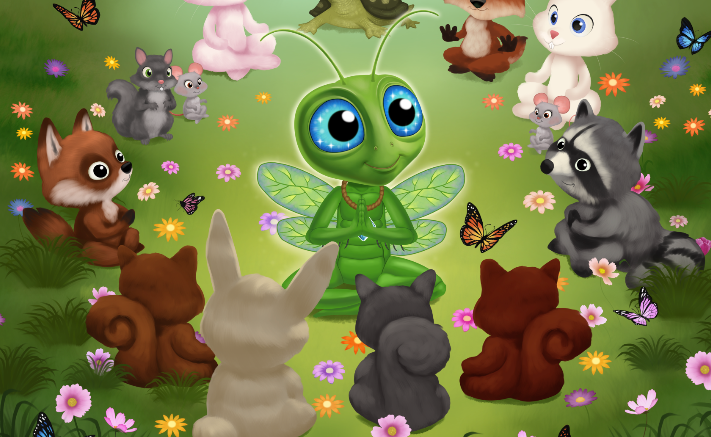
At The Mindful Mantis, we love meeting parents right where they are. If you want a playful story that doubles as a meditation, explore The Meditating Mantis and Mio & The Stoic Spider which is a gentle, science-savvy way to begin a lifelong practice of calm and resilience, one page and one breath at a time.
